
FEATURE ARTICLE
Understanding the Bed Bug Life Cycle: How to Identify, Prevent, and Eliminate Infestations
Apr 29, 2026
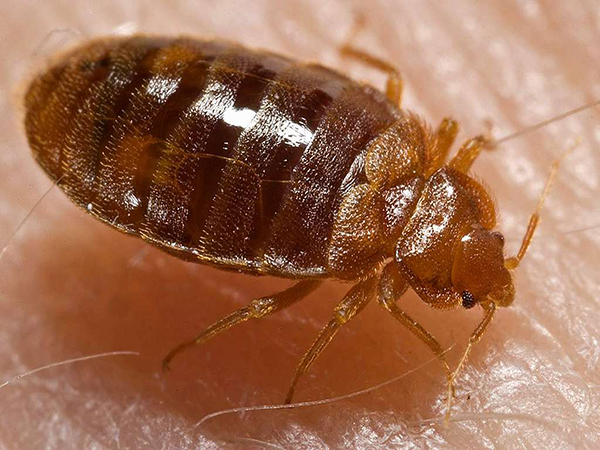
Bed bugs remain one of the most persistent household pests, disrupting sleep and causing stress for homeowners and businesses alike. In today’s travel-heavy and interconnected world, infestations can spread quickly through luggage, furniture, and shared spaces.
Understanding the bed bug life cycle is essential for early detection and effective pest control. By recognizing each stage of development, you can act more quickly and prevent a small issue from becoming a full-blown infestation.
With early identification, consistent prevention habits, and professional pest control when needed, you can protect your home and restore a safe, comfortable sleep environment.
Understanding the bed bug life cycle is essential for early detection and effective pest control. By recognizing each stage of development, you can act more quickly and prevent a small issue from becoming a full-blown infestation.
-
Egg Stage: Hidden and Hard to Detect
A bed bug’s life begins as a tiny, pearl-like egg, often no larger than a grain of salt. These eggs are typically laid in hidden areas such as mattress seams, furniture joints, baseboards, and cracks near sleeping areas.- A single female can lay 100–500 eggs in her lifetime
- Eggs are coated with a sticky substance to keep them attached to surfaces
- They typically hatch within 6–10 days under favorable conditions
-
Nymph Stage: Rapid Growth Through Feeding
Once hatched, bed bugs enter the nymph stage. Nymphs are smaller, lighter-colored versions of adult bed bugs and must feed on blood to grow.- They go through five molts (growth stages) before reaching adulthood
- Each stage requires a blood meal to progress
- They typically feed every 3–7 days when a host is available
-
Adult Stage: Reproduction and Survival
Adult bed bugs are reddish-brown, flat, and about the size of an apple seed. At this stage, they are fully capable of reproduction and are the most visible sign of an infestation.- Adults feed regularly on human blood, usually at night
- They can survive several months without feeding, making them highly resilient
- They are attracted to body heat and carbon dioxide
-
Reproduction and Rapid Infestation Growth
Bed bugs reproduce quickly under the right conditions. Female bed bugs can lay multiple eggs daily, leading to rapid population growth if left untreated.
A unique mating process called traumatic insemination allows reproduction but can shorten female lifespan, prompting even more frequent reproduction cycles.
Without intervention, a small infestation can grow exponentially within weeks. -
Signs of Bed Bug Infestation (Updated for 2026 Awareness)
Early detection is critical. Watch for:- Small reddish or dark stains on bedding
- Shed exoskeletons near mattresses or furniture
- Musty or sweet odor in heavily infested areas
- Itchy bite marks, often in clusters or lines
-
Prevention and Control Strategies
Effective bed bug control requires a combination of prevention, cleaning, and professional treatment.
Preventive measures include:- Regularly inspecting bedding and furniture
- Using protective mattress encasements
- Reducing clutter where bed bugs can hide
- Being cautious with secondhand furniture
- High-heat steam cleaning
- Professional heat treatments (increasingly common in 2026 pest control)
- Targeted insecticide applications by licensed professionals
With early identification, consistent prevention habits, and professional pest control when needed, you can protect your home and restore a safe, comfortable sleep environment.