
FEATURE ARTICLE
Aromatherapy in Spa Treatments: How Essential Oils Elevate Relaxation and Wellness
Apr 29, 2026
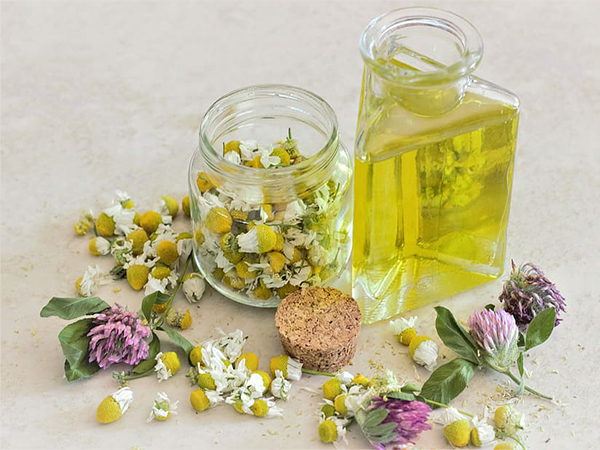
Aromatherapy has long been a valued practice in holistic wellness, and today it remains a key feature of modern spa treatments. By harnessing the natural power of essential oils, spas can enhance relaxation, support emotional balance, and create a more immersive therapeutic experience. Whether used during massages, facials, or baths, aromatherapy adds a sensory layer that helps clients unwind more deeply and feel renewed.
As wellness trends continue to emphasize mind-body connection, aromatherapy has become more relevant than ever in both professional spa settings and at-home self-care routines.
The Origins of Aromatherapy
Aromatherapy dates back thousands of years to ancient civilizations such as Egypt, China, and India, where plant extracts were used for healing, rituals, and skincare. Essential oils are derived from flowers, herbs, bark, and citrus peels, capturing the plant’s natural aroma and therapeutic compounds.
Today, advances in extraction methods and quality standards have made essential oils more refined and widely accessible, enabling spas to integrate them into professional treatments safely.
The Science Behind Aromatherapy
Modern research supports what ancient cultures understood intuitively: scent has a powerful effect on the brain.
When inhaled, essential oils interact with the olfactory system, which is closely linked to the limbic system—the part of the brain responsible for emotions, memory, and stress regulation. This connection helps explain why certain scents can instantly calm the mind, improve mood, or increase alertness.
While aromatherapy is not a substitute for medical treatment, it is widely used as a complementary wellness therapy to support relaxation and emotional well-being.
How Aromatherapy Enhances the Spa Experience
Aromatherapy is now a standard feature in many spa services, enhancing both physical and emotional benefits. Essential oils are commonly incorporated into:
Popular Essential Oils Used in Spas
Different essential oils offer unique therapeutic properties, allowing spa professionals to customize treatments:
Personalized Aromatherapy for Better Results
One of aromatherapy’s greatest strengths is its adaptability. Spa therapists often create custom blends based on a client’s needs, such as:
Safety Tips and Best Practices
While aromatherapy is generally safe, it should be used thoughtfully:
Aromatherapy continues to play an essential role in modern spa and wellness experiences. By combining ancient tradition with modern understanding, essential oils help create a calming environment that supports both body and mind.
Whether you’re seeking relaxation, rejuvenation, or emotional balance, aromatherapy offers a natural and enjoyable way to enhance your spa experience. The next time you visit a spa, take a moment to fully immerse yourself in the soothing power of scent and let it guide you toward deeper relaxation and renewal.
As wellness trends continue to emphasize mind-body connection, aromatherapy has become more relevant than ever in both professional spa settings and at-home self-care routines.
The Origins of Aromatherapy
Aromatherapy dates back thousands of years to ancient civilizations such as Egypt, China, and India, where plant extracts were used for healing, rituals, and skincare. Essential oils are derived from flowers, herbs, bark, and citrus peels, capturing the plant’s natural aroma and therapeutic compounds.
Today, advances in extraction methods and quality standards have made essential oils more refined and widely accessible, enabling spas to integrate them into professional treatments safely.
The Science Behind Aromatherapy
Modern research supports what ancient cultures understood intuitively: scent has a powerful effect on the brain.
When inhaled, essential oils interact with the olfactory system, which is closely linked to the limbic system—the part of the brain responsible for emotions, memory, and stress regulation. This connection helps explain why certain scents can instantly calm the mind, improve mood, or increase alertness.
While aromatherapy is not a substitute for medical treatment, it is widely used as a complementary wellness therapy to support relaxation and emotional well-being.
How Aromatherapy Enhances the Spa Experience
Aromatherapy is now a standard feature in many spa services, enhancing both physical and emotional benefits. Essential oils are commonly incorporated into:
- Massage therapy for deeper relaxation and muscle relief
- Facial treatments to support skin balance and hydration
- Body wraps and scrubs for detoxifying and soothing effects
- Aromatherapy baths for full-body relaxation
Popular Essential Oils Used in Spas
Different essential oils offer unique therapeutic properties, allowing spa professionals to customize treatments:
- Lavender: Promotes relaxation, reduces stress, and supports better sleep
- Peppermint: Refreshes the senses and may help ease tension headaches
- Eucalyptus: Supports clearer breathing and a revitalizing effect
- Chamomile: Soothes sensitive skin and encourages calmness
- Rosemary: Often used for muscle relaxation and mental clarity
- Citrus oils (orange, lemon, grapefruit): Uplift mood and energize the mind
Personalized Aromatherapy for Better Results
One of aromatherapy’s greatest strengths is its adaptability. Spa therapists often create custom blends based on a client’s needs, such as:
- Stress relief and emotional balance
- Muscle recovery and pain reduction
- Energy boosting and mental focus
- Skin nourishment and hydration support
Safety Tips and Best Practices
While aromatherapy is generally safe, it should be used thoughtfully:
- Some essential oils may cause skin sensitivity or allergic reactions
- Certain oils are not recommended during pregnancy or for specific medical conditions
- Essential oils should always be properly diluted before skin application
- Professional guidance is recommended for safe and effective use
Aromatherapy continues to play an essential role in modern spa and wellness experiences. By combining ancient tradition with modern understanding, essential oils help create a calming environment that supports both body and mind.
Whether you’re seeking relaxation, rejuvenation, or emotional balance, aromatherapy offers a natural and enjoyable way to enhance your spa experience. The next time you visit a spa, take a moment to fully immerse yourself in the soothing power of scent and let it guide you toward deeper relaxation and renewal.