
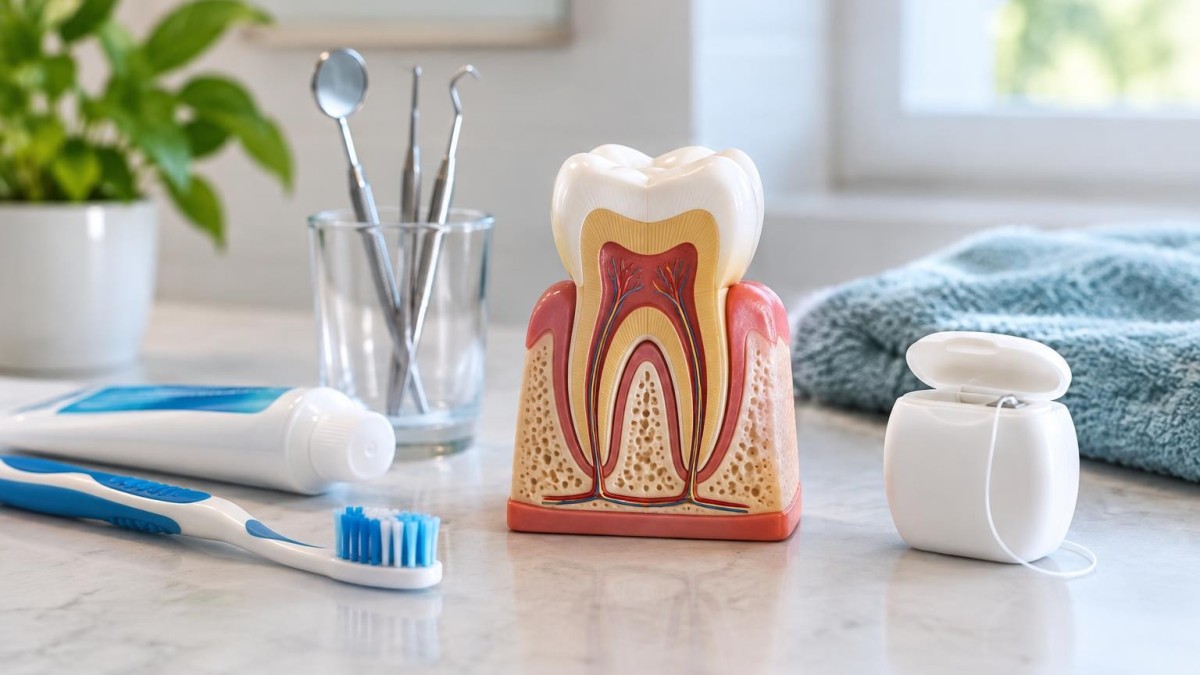
Understanding Toothaches and Their Impact
Toothaches can be more than just an uncomfortable nuisance—they often interfere with everyday activities like eating, sleeping, and concentrating. Usually a sign that something is wrong inside your mouth, tooth pain doesn’t typically fade away without treatment. Identifying the cause early is important to prevent more serious issues and costly dental procedures down the road.
Common Reasons Behind Tooth Pain
Several dental problems can trigger toothaches, ranging from minor sensitivity to intense, persistent pain. Here are some of the most frequent causes:
Cavities (Tooth Decay)
Tooth decay happens when acids from plaque gradually erode the enamel, forming cavities. As the decay deepens, it can irritate the tooth’s nerve and cause discomfort or pain. Treatment usually includes fillings or crowns depending on how advanced the damage is.
Gum Disease
Inflamed gums due to plaque and tartar buildup can lead to gingivitis or more severe periodontitis. These conditions not only cause gum pain but can also affect tooth roots, sometimes leading to looseness. Regular brushing, flossing, and dental cleanings can help prevent gum disease.
Cracked or Broken Teeth
Chipping or cracking a tooth from biting hard foods or injuries can cause sharp pain, especially when chewing or with temperature changes. Solutions may involve dental bonding, crowns, or, in serious cases, root canal therapy.
Tooth Sensitivity
When enamel thins or gums recede, the underlying dentin is exposed, leading to sensitivity to hot, cold, sweet, or acidic foods. Using desensitizing toothpaste and gentle brushing techniques can ease this discomfort.
Impacted Wisdom Teeth
Wisdom teeth trapped beneath the gumline can cause swelling, pain, and infections. Dentists might advise monitoring or removal to prevent further issues.
Dental Abscess
A serious infection in or around a tooth, characterized by sharp pain, swelling, and sometimes fever. This requires prompt dental treatment to avoid spreading the infection.
Teeth Grinding (Bruxism)
Grinding or clenching teeth, often during sleep, can wear down enamel and strain muscles, leading to tooth and jaw pain. Custom night guards and stress management can help alleviate symptoms.
When Should You Visit the Dentist?
It's important to consult a dental professional if you notice persistent or worsening tooth pain, swelling in the face or gums, sensitivity that doesn't improve, difficulty chewing, or signs of infection like fever or unusual discharge. Timely care can stop minor problems from becoming major ones.
Preventing Toothaches Through Good Habits
Maintaining strong oral hygiene can significantly reduce toothache risks. Brush twice daily with fluoride toothpaste, floss every day, avoid excessive sugary or acidic foods, stay well-hydrated to support saliva flow, and keep regular dental appointment for checkups and cleanings. Additionally, wearing a mouthguard if you grind teeth or play contact sports protects your teeth from damage.
Recognizing the common causes of toothaches and practicing good dental care can spare you unnecessary pain and complications. If you experience severe or lasting discomfort, your dentist can provide a tailored diagnosis and treatment plan to restore your oral health.
Newsletter Station provides professionally written, ready-to-send newsletters customized for your market and brand.
EXPLORE NEWSLETTER OPTIONS