
FEATURE ARTICLE
The Best Way to Dust Your Home: Smarter Cleaning Tips for a Healthier Space
Apr 29, 2026
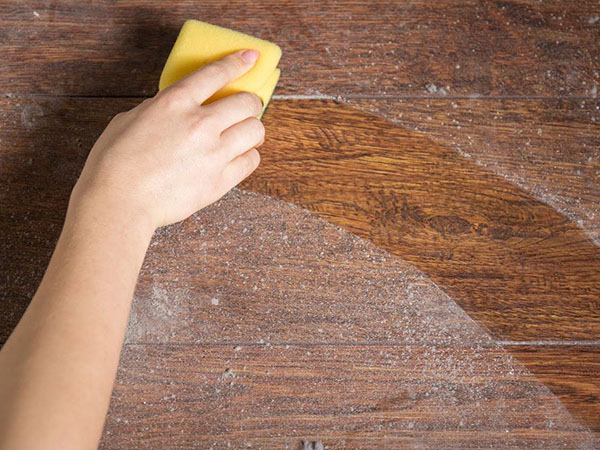
Dusting may seem like a simple chore, but it plays a vital role in maintaining a clean, healthy, and comfortable home. In 2026, with increased awareness of indoor air quality and allergens, effective dusting is more important than ever. Dust buildup doesn’t just affect appearance—it can trigger allergies, impact respiratory health, and reduce overall air quality.
The good news? With the right tools and techniques, you can make dusting faster, more efficient, and far more effective.
With consistent upkeep and a few modern upgrades, dusting becomes quicker, more effective, and far less of a chore—helping you enjoy a cleaner, more comfortable space every day.
The good news? With the right tools and techniques, you can make dusting faster, more efficient, and far more effective.
-
Gather the Right Dusting Tools
Using the proper supplies can make a significant difference in your results. Before you begin, have these essentials ready:- Microfiber cloths or dusters: Designed to trap dust instead of spreading it
- A gentle cleaning solution or furniture polish: Safe for various surfaces
- Extendable duster: Ideal for ceiling fans, vents, and high shelves
- Vacuum with a HEPA filter: Helps capture fine dust and allergens
- Optional air purifier: Supports ongoing dust and allergen reduction
-
Always Work from Top to Bottom
One of the most effective dusting strategies is working from the highest surfaces downward. This prevents dust from resettling on areas you’ve already cleaned.
Follow this order for the best results: - Walls, corners, and décor
- Furniture and flat surfaces
- Baseboards and floors Finish by vacuuming floors and soft surfaces, such as rugs, curtains, and upholstery, to capture any remaining particles.
-
Use Microfiber for Better Results
Microfiber materials are far superior to traditional dusters. Their fibers attract and trap dust, reducing airborne particles and improving overall air quality.
For stubborn buildup, lightly dampen your cloth—this helps capture dust more effectively without damaging surfaces. Wash microfiber cloths regularly to maintain performance. -
Skip Aerosol Sprays When Possible
While convenient, aerosol sprays can leave residue and contribute to indoor air pollution.
Instead, apply a small amount of cleaner directly to your cloth. This gives you better control, reduces waste, and keeps surfaces cleaner for longer—an eco-friendly and budget-conscious choice. -
Don’t Overlook Hidden Dust Zones
Dust often collects in areas that are easy to miss, but that affect air quality. Make it a habit to clean:- Air vents and return ducts
- Electronics (screens, keyboards, and cables)
- Behind and under furniture
- Blinds, curtains, and lampshades
-
Maintain Indoor Air Quality Year-Round
Beyond dusting, improving air quality is key to a healthier home. Replace HVAC filters regularly and consider upgrading to high-efficiency filters.
Opening windows when possible, using air purifiers, and reducing clutter can also help minimize dust accumulation over time.
With consistent upkeep and a few modern upgrades, dusting becomes quicker, more effective, and far less of a chore—helping you enjoy a cleaner, more comfortable space every day.