
FEATURE ARTICLE
How Tight Should a Dog Collar Be? A Pet Safety Guide for Comfort and Security
Apr 29, 2026
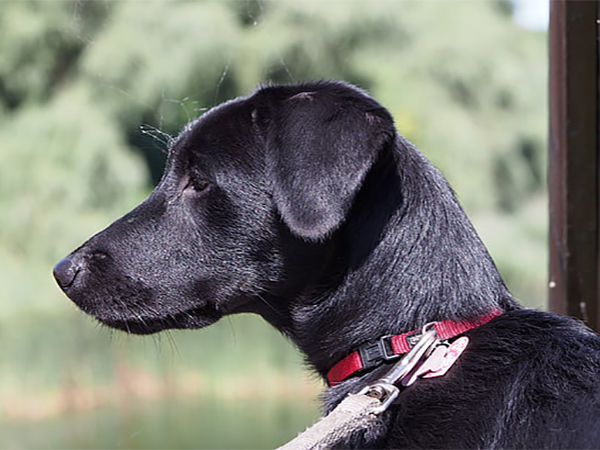
A dog collar is more than just an accessory—it’s an essential tool for identification, training, and everyday safety. However, one of the most common concerns among pet owners is finding the right collar fit. Too tight can cause discomfort or injury, while too loose can lead to slipping or escape.
In 2026, with more advanced collar designs and safety-focused pet products available, it’s easier than ever to find the perfect balance between comfort and control.
By following proper measurement techniques, using the two-finger rule, choosing the right collar type, and checking fit regularly, you can ensure your dog stays safe, comfortable, and happy on every walk.
In 2026, with more advanced collar designs and safety-focused pet products available, it’s easier than ever to find the perfect balance between comfort and control.
-
Measure Your Dog’s Neck Accurately
The first step in choosing the right collar is proper measurement. Use a soft measuring tape and wrap it around the base of your dog’s neck.
A good rule of thumb is to leave enough space for two fingers between the collar and your dog’s neck. This ensures a secure but comfortable fit that avoids pressure or irritation. -
Account for Growth and Weight Changes
Dogs—especially puppies—grow quickly, and their body shape can change over time. Seasonal fluctuations in coat thickness and weight can also affect collar fit.
To stay safe:- Choose adjustable collars for growing dogs
- Recheck fit every few weeks for puppies
- Adjust collars seasonally if your dog has a thick or shedding coat
-
Follow the Two-Finger Rule
The two-finger rule remains one of the most reliable ways to check collar fit.
If you can comfortably slide two fingers between the collar and your dog’s neck, the fit is generally correct. If it’s too tight or too loose, make adjustments immediately. -
Prioritise Safety and Comfort
An improperly fitted collar can lead to several risks:- Too tight: skin irritation, breathing discomfort, or hair loss
- Too loose: slipping off, snagging on objects, or escaping risk
-
Choose the Right Type of Collar or Harness
Not all dogs benefit from the same type of collar. Consider your dog’s size, behaviour, and health needs:- Flat collars: Ideal for everyday identification and casual walks
- Martingale collars: Provide gentle tightening for training and better control
- Harnesses: Recommended for dogs with respiratory concerns or strong pullers
-
Perform Regular Fit and Condition Checks
Even the perfect collar fit can change over time. Regularly inspect your dog’s collar for:- Signs of rubbing or irritation
- Hair loss around the neck
- Wear and tear on the material or buckles
By following proper measurement techniques, using the two-finger rule, choosing the right collar type, and checking fit regularly, you can ensure your dog stays safe, comfortable, and happy on every walk.