
FEATURE ARTICLE
The Impact of Lighting on Room Design: Create Mood, Function, and Style
Apr 29, 2026
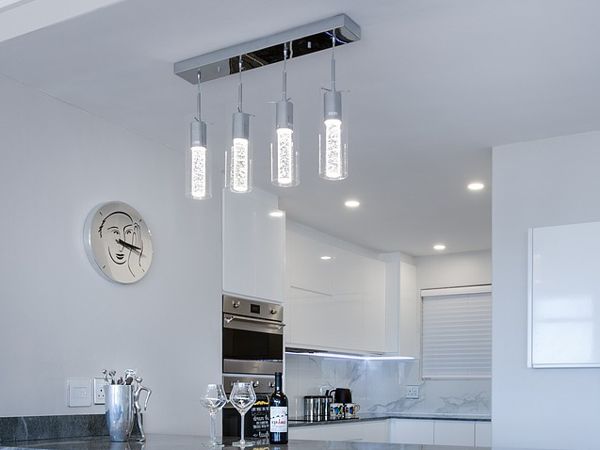
Lighting is one of the most powerful yet often overlooked elements in interior design. Beyond simply illuminating a space, it shapes how a room feels, functions, and is experienced. In modern home design, especially in 2026, lighting is treated as a core design feature that influences mood, enhances architecture, and improves everyday living.
Whether you’re redesigning a single room or updating your entire home, understanding lighting fundamentals can help you create spaces that are both beautiful and highly functional.
By combining natural light, layered fixtures, and smart lighting technology, you can transform any room into a comfortable, stylish, and highly functional environment. Thoughtful lighting design doesn’t just brighten a space—it elevates the entire home experience.
Whether you’re redesigning a single room or updating your entire home, understanding lighting fundamentals can help you create spaces that are both beautiful and highly functional.
-
Lighting Sets the Mood and Atmosphere
Lighting directly influences how a room feels. The right lighting design can make a space feel warm and inviting or bright and energizing.
Warm lighting (soft whites and yellows) creates a cozy, relaxing atmosphere—ideal for bedrooms and living rooms Cool lighting (bright whites and daylight tones) promotes focus and energy—perfect for kitchens, offices, and workspaces
In 2026, layered lighting with adjustable tones is increasingly popular, allowing homeowners to shift moods throughout the day. -
Highlight Architectural Features and Design Details
Strategic lighting can elevate a room by highlighting its best features. This includes:- Artwork and wall décor
- Textured walls or accent finishes
- Ceiling beams or architectural lines
- Statement furniture pieces
-
Improve Visual Comfort and Reduce Eye Strain
Good lighting design is essential for comfort. Poor lighting can cause fatigue, glare, and an uninviting atmosphere, while balanced lighting improves both comfort and usability.
A modern lighting plan should include:- Ambient lighting for overall illumination
- Task lighting for focused activities
- Accent lighting for visual interest
-
Enhance Functionality in Every Room
Lighting is not just decorative—it’s practical. Each space in your home requires a tailored lighting approach based on its function.- Kitchens benefit from bright under-cabinet and overhead lighting
- Home offices require focused desk lighting
- Hallways and staircases need safe, consistent illumination
- Living areas need layered lighting for flexibility
-
Embrace Smart and Customizable Lighting
Smart lighting technology continues to grow in popularity in 2026. These systems allow homeowners to control brightness, color temperature, and schedules through apps or voice assistants.
Benefits include:- Adjustable lighting for different moods and activities
- Energy efficiency and automation
- Scene settings for work, relaxation, or entertaining
- Remote control from anywhere
-
Layer Lighting for Depth and Balance
A well-designed room uses multiple lighting layers to create balance and dimension. Combining ambient, task, and accent lighting ensures a space feels both functional and visually appealing.
Layering also prevents harsh shadows and flat lighting, giving rooms a more dynamic and polished appearance.
By combining natural light, layered fixtures, and smart lighting technology, you can transform any room into a comfortable, stylish, and highly functional environment. Thoughtful lighting design doesn’t just brighten a space—it elevates the entire home experience.