
FEATURE ARTICLE
How Menopause Affects Your Skin: Causes, Changes, and Effective Skincare Tips
Apr 22, 2026
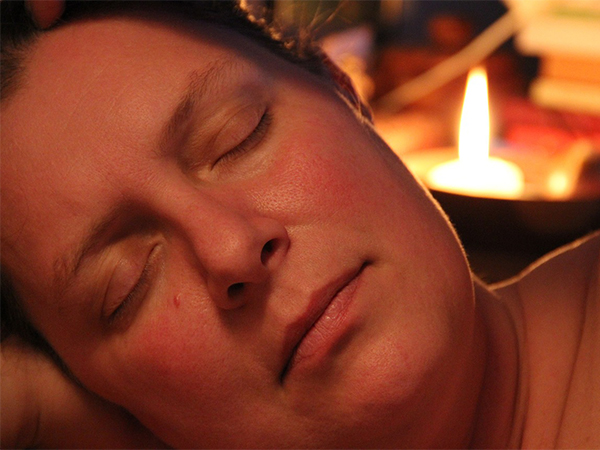
Menopause is a natural life stage that marks the end of a woman’s reproductive years. While it brings hormonal shifts that affect the body in many ways, one of the most visible changes occurs in the skin. As estrogen levels decline, the skin can become drier, thinner, and less elastic, often leading to noticeable changes in texture, tone, and overall appearance.
With the right skincare routine and lifestyle adjustments, however, it’s possible to maintain healthy, radiant skin throughout this transition.
Menopause brings natural but significant changes to the skin. The good news is that a consistent, targeted skincare routine can help maintain a healthy and radiant complexion.
Key focus areas include:
Menopause is a transition, not a decline in skin health. With the right care and attention, your skin can remain strong, balanced, and vibrant through every stage of life. Understanding these changes empowers you to make informed skincare choices that support long-term comfort and confidence.
With the right skincare routine and lifestyle adjustments, however, it’s possible to maintain healthy, radiant skin throughout this transition.
-
Reduced Collagen and Skin Elasticity
During menopause, declining estrogen levels lead to reduced collagen production. Collagen is essential for keeping skin firm and youthful.
This reduction can result in:- Fine lines and wrinkles
- Loss of firmness
- Skin sagging
- Retinol (supports cell turnover)
- Vitamin C (boosts collagen production and brightens skin)
- Peptides (help improve skin structure and elasticity)
-
Increased Dryness and Thinning Skin
Lower oil production during menopause often leads to dry, tight, or flaky skin. The skin barrier may also weaken, making it more prone to irritation.
Helpful strategies include:- Using a gentle, hydrating cleanser
- Applying a rich moisturizer daily
- Incorporating hyaluronic acid to retain moisture
- Avoiding hot showers and harsh soaps that strip natural oils
-
Uneven Skin Tone and Hyperpigmentation
Hormonal changes can trigger increased melanin activity, leading to dark spots, sun spots, or uneven pigmentation.
To help manage this:- Use broad-spectrum sunscreen (SPF 30 or higher) daily
- Reapply sunscreen when outdoors for extended periods
- Include ingredients like niacinamide and vitamin C to brighten skin tone
- Consider gentle exfoliation to support cell turnover
-
Increased Skin Sensitivity
Many women notice that their skin becomes more reactive during menopause. This can include redness, irritation, or increased sensitivity to products.
To reduce irritation:- Choose fragrance-free, hypoallergenic skincare products
- Avoid harsh exfoliants or strong active ingredients if your skin is reactive
- Focus on soothing ingredients like aloe vera or ceramides
- Maintain a balanced diet rich in antioxidants and omega-3 fatty acids
-
Hormonal Acne and Breakouts
While dryness is common, some individuals experience increased breakouts due to hormonal fluctuations and changes in sebum production.
To manage menopause-related acne:- Use salicylic acid to unclog pores
- Consider benzoyl peroxide for targeted spot treatment
- Avoid picking or touching the skin to prevent scarring
- Keep skincare routines consistent but gentle
Menopause brings natural but significant changes to the skin. The good news is that a consistent, targeted skincare routine can help maintain a healthy and radiant complexion.
Key focus areas include:
- Supporting collagen production
- Maintaining hydration and barrier health
- Protecting skin from UV damage
- Using gentle, non-irritating products
Menopause is a transition, not a decline in skin health. With the right care and attention, your skin can remain strong, balanced, and vibrant through every stage of life. Understanding these changes empowers you to make informed skincare choices that support long-term comfort and confidence.