
FEATURE ARTICLE
Types of Mulch and Their Benefits: A Complete Guide for Healthier Gardens
Apr 22, 2026
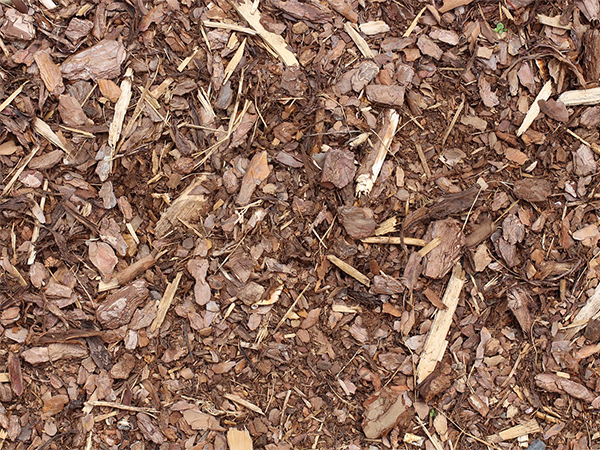
Mulch is one of the most effective—and often overlooked—tools for maintaining a healthy, attractive garden. Whether you’re tending a backyard vegetable patch or enhancing your landscape beds, the right mulch can improve soil health, conserve moisture, regulate temperature, and reduce weeds.
With updated gardening practices and a growing focus on sustainability, choosing the right type of mulch is more important than ever. In this guide, we’ll break down the main types of mulch and how each can benefit your garden.
Why Mulch Matters
Before exploring types, it’s helpful to understand what mulch does:
Bark Mulch
A popular choice for landscaping beds, bark mulch offers a polished appearance while helping retain moisture and stabilize soil temperature. It’s long-lasting and widely available in different textures and colors.
Wood Chips
Made from chipped branches and tree trunks, wood chips are excellent for weed suppression and moisture retention. As they break down, they add valuable organic matter to the soil, improving structure and fertility.
Straw
Straw is especially beneficial in vegetable gardens. It helps prevent soil erosion, keeps fruits clean, and insulates the soil during temperature swings. It’s lightweight and easy to apply.
Compost or Leaf Mulch (Updated Best Practice)
Compost and shredded leaves are increasingly popular as eco-friendly mulch options. They enrich soil with nutrients, improve drainage, and support beneficial microorganisms—making them a top choice for sustainable gardening.
Inorganic Mulch: Durable and Low Maintenance
Inorganic mulches don’t decompose, making them ideal for long-term use in decorative or low-maintenance areas.
Gravel or Stone
Perfect for pathways, xeriscaping, and drought-prone areas, gravel provides excellent drainage and long-lasting weed control. It’s a smart choice for modern landscapes or areas with minimal plant growth.
Rubber Mulch
Made from recycled materials, rubber mulch is durable and low-maintenance. It’s commonly used in playgrounds and high-traffic areas for its cushioning and long lifespan. However, it’s best used in non-edible garden spaces.
Living Mulch: A Natural Ground Cover
Living mulch uses low-growing plants to cover soil, offering both functional and ecological benefits.
Clover
Clover is a nitrogen-fixing plant that naturally enriches the soil while suppressing weeds. It requires minimal upkeep and supports pollinators, making it a great eco-friendly option.
Creeping Thyme
This fragrant ground cover adds visual appeal with its small blooms and soft texture. It’s drought-tolerant, low-maintenance, and ideal for pathways or garden borders.
How to Choose the Right Mulch
Selecting the best mulch depends on your garden’s needs:
Pro Tips for Mulching Success
Whether you’re aiming for sustainability, simplicity, or visual appeal, the right mulch can transform your outdoor space into a thriving, low-maintenance oasis.
With updated gardening practices and a growing focus on sustainability, choosing the right type of mulch is more important than ever. In this guide, we’ll break down the main types of mulch and how each can benefit your garden.
Why Mulch Matters
Before exploring types, it’s helpful to understand what mulch does:
- Retains soil moisture, reducing the need for frequent watering
- Suppresses weeds, limiting competition for nutrients
- Regulates soil temperature, protecting plant roots
- Improves soil health (for organic options)
- Enhances curb appeal with a clean, finished look
- Organic Mulch: Natural and Soil-Boosting
Bark Mulch
A popular choice for landscaping beds, bark mulch offers a polished appearance while helping retain moisture and stabilize soil temperature. It’s long-lasting and widely available in different textures and colors.
Wood Chips
Made from chipped branches and tree trunks, wood chips are excellent for weed suppression and moisture retention. As they break down, they add valuable organic matter to the soil, improving structure and fertility.
Straw
Straw is especially beneficial in vegetable gardens. It helps prevent soil erosion, keeps fruits clean, and insulates the soil during temperature swings. It’s lightweight and easy to apply.
Compost or Leaf Mulch (Updated Best Practice)
Compost and shredded leaves are increasingly popular as eco-friendly mulch options. They enrich soil with nutrients, improve drainage, and support beneficial microorganisms—making them a top choice for sustainable gardening.
Inorganic Mulch: Durable and Low Maintenance
Inorganic mulches don’t decompose, making them ideal for long-term use in decorative or low-maintenance areas.
Gravel or Stone
Perfect for pathways, xeriscaping, and drought-prone areas, gravel provides excellent drainage and long-lasting weed control. It’s a smart choice for modern landscapes or areas with minimal plant growth.
Rubber Mulch
Made from recycled materials, rubber mulch is durable and low-maintenance. It’s commonly used in playgrounds and high-traffic areas for its cushioning and long lifespan. However, it’s best used in non-edible garden spaces.
Living Mulch: A Natural Ground Cover
Living mulch uses low-growing plants to cover soil, offering both functional and ecological benefits.
Clover
Clover is a nitrogen-fixing plant that naturally enriches the soil while suppressing weeds. It requires minimal upkeep and supports pollinators, making it a great eco-friendly option.
Creeping Thyme
This fragrant ground cover adds visual appeal with its small blooms and soft texture. It’s drought-tolerant, low-maintenance, and ideal for pathways or garden borders.
How to Choose the Right Mulch
Selecting the best mulch depends on your garden’s needs:
- For soil improvement: Choose organic mulches like compost or wood chips
- For low maintenance: Opt for gravel or rubber mulch
- For eco-friendly landscaping: Consider living mulch options
- For vegetable gardens: Use straw or compost for best results
Pro Tips for Mulching Success
- Apply mulch 2–3 inches deep for optimal results
- Keep mulch a few inches away from plant stems and tree trunks
- Refresh organic mulch annually as it decomposes
- Combine mulch with proper watering for maximum efficiency
Whether you’re aiming for sustainability, simplicity, or visual appeal, the right mulch can transform your outdoor space into a thriving, low-maintenance oasis.