
FEATURE ARTICLE
What Blood Tests Reveal About Your Health: A Complete Guide to Common Lab Work
Apr 22, 2026
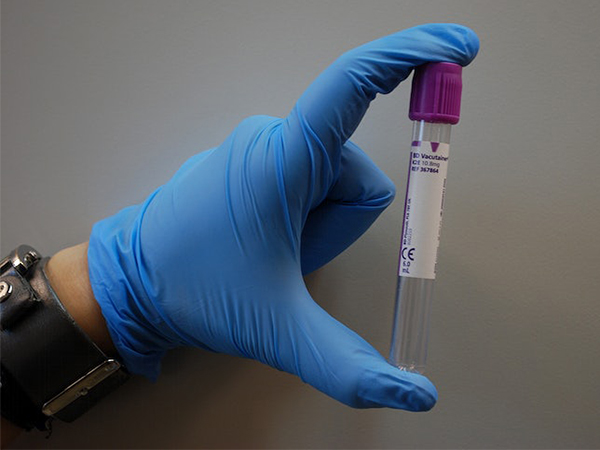
Our blood is one of the most informative indicators of overall health. A simple blood test can provide doctors with detailed insights into how your body is functioning, helping detect medical conditions early, monitor chronic diseases, and guide preventive care.
Today, blood testing remains a cornerstone of modern healthcare and preventive medicine. With routine screenings becoming more accessible and advanced, understanding what these tests measure can help you take a more proactive role in your health.
Below is a breakdown of the most common blood tests and what they reveal about your body.
Blood tests are a powerful tool in preventive healthcare. They help identify potential issues before symptoms appear, allowing for earlier treatment and better long-term outcomes.
Routine screenings can support:
Regular check-ups and lab work, guided by your healthcare provider, are essential for maintaining long-term well-being. Early detection remains one of the most effective ways to protect your health and prevent complications.
Today, blood testing remains a cornerstone of modern healthcare and preventive medicine. With routine screenings becoming more accessible and advanced, understanding what these tests measure can help you take a more proactive role in your health.
Below is a breakdown of the most common blood tests and what they reveal about your body.
-
Complete Blood Count (CBC)
A Complete Blood Count (CBC) is one of the most frequently ordered blood tests. It evaluates the key components of your blood:- Red blood cells (oxygen transport)
- White blood cells (immune response)
- Platelets (blood clotting)
-
Blood Glucose Test
A blood glucose test measures the amount of sugar in your blood and is essential for diagnosing and managing diabetes and prediabetes.
Abnormal glucose levels may indicate:- Type 2 diabetes or insulin resistance
- Risk of long-term complications such as nerve damage, kidney disease, or heart issues
-
Lipid Profile (Cholesterol Test)
A lipid panel measures fats in the blood, including:- LDL (bad cholesterol)
- HDL (good cholesterol)
- Triglycerides
-
Liver Function Tests (LFTs)
Liver function tests evaluate enzymes and proteins that reflect liver health. Abnormal results may signal:- Liver inflammation or infection (such as hepatitis)
- Fatty liver disease
- Alcohol or medication-related liver stress
- Liver damage or scarring (cirrhosis)
-
Kidney Function Tests
Kidney function tests measure substances such as creatinine and blood urea nitrogen (BUN) to assess how well your kidneys are filtering waste.
These tests help detect:- Chronic kidney disease
- Dehydration or reduced kidney function
- Complications related to diabetes or high blood pressure
-
Thyroid Function Tests
Thyroid tests measure hormone levels that regulate metabolism, energy, and body temperature.
Imbalances may indicate:- Hypothyroidism (underactive thyroid)
- Hyperthyroidism (overactive thyroid)
-
Vitamin and Mineral Testing
Blood tests can identify deficiencies in essential nutrients such as:- Vitamin D
- Vitamin B12
- Iron
- Calcium
-
C-Reactive Protein (CRP) Test
C-reactive protein is a marker of inflammation. Elevated CRP levels may indicate:- Acute infection
- Chronic inflammation
- Autoimmune conditions such as rheumatoid arthritis
- Increased cardiovascular risk
Blood tests are a powerful tool in preventive healthcare. They help identify potential issues before symptoms appear, allowing for earlier treatment and better long-term outcomes.
Routine screenings can support:
- Early disease detection
- Chronic condition management
- Personalized treatment planning
- Overall wellness monitoring
Regular check-ups and lab work, guided by your healthcare provider, are essential for maintaining long-term well-being. Early detection remains one of the most effective ways to protect your health and prevent complications.