
FEATURE ARTICLE
How to Mix Patterns and Textures Like a Pro: A Modern Guide to Stylish, Balanced Interiors
Apr 15, 2026
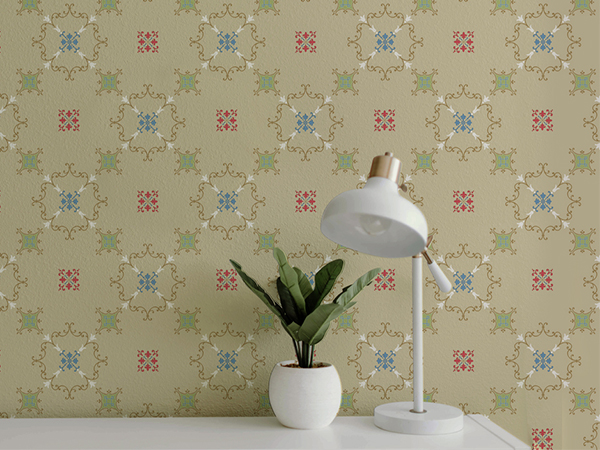
When it comes to interior design, one of the most impactful ways to elevate a space is by thoughtfully mixing patterns and textures. Done well, this approach adds depth, personality, and visual interest—turning an ordinary room into a polished, designer-inspired environment.
Whether your style leans bold and eclectic or calm and cohesive, mastering this technique can completely transform your home. In this updated guide, we’ll walk you through practical, modern strategies to confidently combine patterns and textures for a balanced, beautiful result.
Why Mixing Patterns and Textures Matters
Today’s design trends emphasize layered, lived-in spaces over flat, one-dimensional rooms. By combining different materials and prints, you create contrast and dimension that make your home feel more dynamic, comfortable, and visually engaging.
Step back and view the room as a whole—does it feel cohesive or cluttered? Adjust accordingly.
Mixing patterns and textures is one of the most effective ways to bring personality and depth into your home. By starting with a neutral base, balancing scale, coordinating colors, and layering thoughtfully, you can create a space that feels both stylish and inviting.
With a little experimentation and attention to detail, you’ll be able to confidently design rooms that look professionally curated—without losing your personal touch.
Whether your style leans bold and eclectic or calm and cohesive, mastering this technique can completely transform your home. In this updated guide, we’ll walk you through practical, modern strategies to confidently combine patterns and textures for a balanced, beautiful result.
Why Mixing Patterns and Textures Matters
Today’s design trends emphasize layered, lived-in spaces over flat, one-dimensional rooms. By combining different materials and prints, you create contrast and dimension that make your home feel more dynamic, comfortable, and visually engaging.
-
Embrace the Power of Contrast
Contrast is the foundation of successful pattern and texture mixing. Pairing opposites helps each element stand out while creating a balanced look.
Try this:- A sleek leather sofa with soft velvet or knit pillows
- A bold geometric rug paired with organic floral curtains
- Smooth surfaces alongside rough or woven materials
-
Start with a Neutral Base
A neutral foundation keeps your design grounded and prevents visual overload. Walls, flooring, and large furniture pieces in shades like white, beige, gray, or soft earth tones create a versatile backdrop.
Why it works:
Neutrals allow layered patterns and textures to shine without competing for attention, making your space feel cohesive and well-designed. -
Mix Pattern Scale and Proportion
One of the most common design mistakes is using patterns that are too similar in size. Instead, vary the scale to create visual hierarchy.
Design rule of thumb:- One large-scale pattern (e.g., rug or sofa)
- One medium pattern (e.g., curtains or bedding)
- One small or subtle pattern (e.g., pillows or accents)
-
Use Color to Tie Everything Together
Color is the unifying element that makes mixed patterns feel cohesive rather than chaotic. Even when patterns differ, a shared color palette creates harmony.
Pro tip:
Choose 2–3 core colors and repeat them across different patterns and textures. For example, navy, cream, and mustard can appear in stripes, florals, and solids throughout the room. -
Layer and Repeat for Cohesion
Layering patterns creates depth, while repetition brings consistency. Repeating similar motifs or colors across different elements helps unify the design.
Example:- A plaid chair
- A striped pillow in the same color palette
- A rug that subtly incorporates both tones
-
Incorporate a Variety of Textures
Texture plays just as important a role as pattern—sometimes even more. It adds warmth, dimension, and a tactile quality that makes a space feel inviting.
Popular textures to mix:- Velvet for softness and luxury
- Linen for a relaxed, natural feel
- Leather for structure and contrast
- Wood and woven fibers for warmth
- Metal or glass for a modern edge
-
Add Modern Touches for 2026 Trends
To keep your space current, consider incorporating these updated design elements:- Sustainable materials: Organic fabrics, reclaimed wood, and eco-friendly textiles
- Tone-on-tone layering: Subtle pattern mixing within the same color family
- Statement pieces: One bold pattern (like a dramatic wallpaper or rug) paired with simpler accents
- Curved furniture and soft edges: Adds contrast to structured patterns
-
Keep Balance in Mind
While creativity is encouraged, restraint is key. If a room starts to feel busy, simplify by removing one or two competing elements.
Step back and view the room as a whole—does it feel cohesive or cluttered? Adjust accordingly.
Mixing patterns and textures is one of the most effective ways to bring personality and depth into your home. By starting with a neutral base, balancing scale, coordinating colors, and layering thoughtfully, you can create a space that feels both stylish and inviting.
With a little experimentation and attention to detail, you’ll be able to confidently design rooms that look professionally curated—without losing your personal touch.