
FEATURE ARTICLE
When to Use a Paint Roller: A Practical Guide for a Faster, Professional Finish
Apr 15, 2026
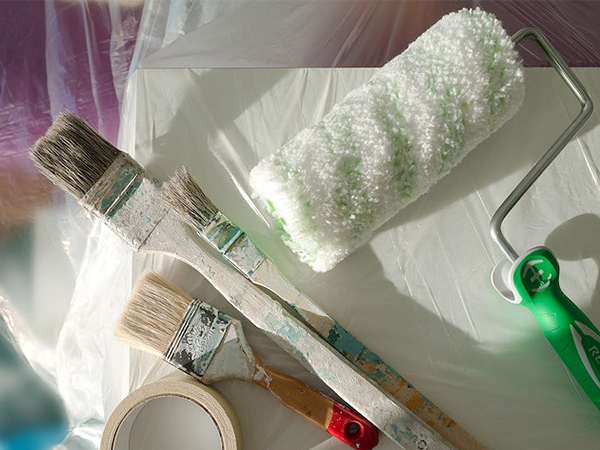
Painting is one of the most effective ways to refresh a space, whether you're updating walls, ceilings, or furniture. One of the most common questions DIYers and property owners ask is: Should you use a paint roller or a brush?
While both tools have their place, knowing when to use a paint roller can dramatically improve efficiency, coverage, and overall results. This updated guide highlights when rollers are the better choice—and how modern tools and techniques can help you achieve a smooth, professional finish.
To maximize your results with a paint roller, keep these best practices in mind:
By understanding when and how to use a roller, you can complete painting projects faster while achieving clean, professional-quality results. Whether you're refreshing a single room or tackling a full property makeover, the right tools make all the difference.
While both tools have their place, knowing when to use a paint roller can dramatically improve efficiency, coverage, and overall results. This updated guide highlights when rollers are the better choice—and how modern tools and techniques can help you achieve a smooth, professional finish.
-
Large, Flat Surfaces
Paint rollers are the top choice for covering large, flat areas like walls and ceilings. Their wide coverage and ability to hold more paint allow you to complete jobs faster with fewer passes.
Best uses include:- Living rooms, bedrooms, and hallways
- Open office or commercial spaces
- Ceilings and drywall surfaces
-
Rough or Textured Surfaces
Rollers are especially effective on uneven or textured materials where brushes struggle to reach.
Ideal for:- Stucco and masonry
- Popcorn or textured ceilings
- Heavily textured drywall or wallpaper
-
Priming and Base Coats
When applying primer or base coats, a roller is the most efficient and reliable tool.
Why rollers work best:- Hold more product for faster application
- Provide even coverage across large areas
- Minimize streaks and visible brush marks
-
Faster Project Completion
Time matters—especially for landlords, property managers, or small business owners preparing a space quickly.
Rollers significantly reduce labor time by:- Covering more surface area per stroke
- Requiring fewer reloads compared to brushes
- Speeding up multi-room or large-scale projects
-
Smooth Finishes on Flat Surfaces
While brushes are essential for edges and detail work, rollers can deliver a sleek finish on flat surfaces when used correctly.
Best applications:- Doors and flat-panel cabinets
- Furniture with broad, smooth surfaces
- Trim areas (when paired with a fine-nap or foam roller)
To maximize your results with a paint roller, keep these best practices in mind:
- Choose the right nap length based on surface texture
- Use high-quality rollers to avoid lint and uneven coverage
- Apply paint in a “W” pattern for even distribution
- Don’t overload the roller—this helps prevent drips and splatter
- Back-roll lightly to smooth out excess paint
By understanding when and how to use a roller, you can complete painting projects faster while achieving clean, professional-quality results. Whether you're refreshing a single room or tackling a full property makeover, the right tools make all the difference.