
FEATURE ARTICLE
Home Inspection Red Flags Every Buyer Should Know
Apr 15, 2026
Buying a home is one of the most significant investments you’ll make, and ensuring it’s in good condition is essential. That’s where a professional home inspection plays a critical role. A thorough inspection provides an objective evaluation of a property’s condition, helping buyers avoid costly surprises and negotiate with confidence.
Experienced inspectors routinely identify warning signs that could indicate deeper issues. Understanding these common home inspection red flags can help you make smarter decisions and protect your investment.
A home inspection is a crucial step in the buying process, providing the information you need to make informed decisions. By recognizing these common red flags, you’ll be better prepared to evaluate a property and avoid unexpected repair costs.
If significant issues are uncovered, consult qualified professionals—such as structural engineers, electricians, or roofing specialists—to assess severity and estimate repairs. In many cases, these findings can also be used to renegotiate the purchase price or request seller concessions.
Experienced inspectors routinely identify warning signs that could indicate deeper issues. Understanding these common home inspection red flags can help you make smarter decisions and protect your investment.
-
Foundation Issues
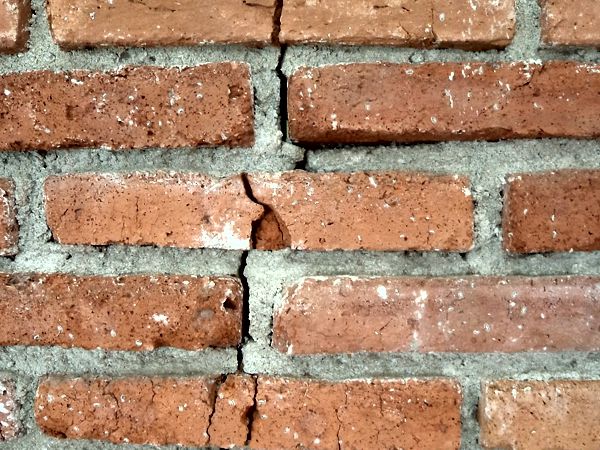
The foundation is the structural backbone of a home. Problems here can lead to serious and expensive consequences if left unaddressed.
Common warning signs include:- Cracks in walls, ceilings, or the foundation itself
- Uneven or sloping floors
- Doors and windows that stick or won’t close properly
- Visible gaps between walls, floors, or ceilings
-
Electrical Problems
Electrical systems must meet current safety standards to protect both the home and its occupants. Older homes, in particular, may have outdated or unsafe wiring.
Look for:- Outdated wiring (such as knob-and-tube or aluminum wiring)
- Overloaded or improperly labeled electrical panels
- Flickering lights or non-functioning outlets
- Lack of GFCI outlets in kitchens, bathrooms, and outdoor areas
-
Plumbing Concerns
Plumbing issues can range from minor annoyances to major structural threats if left unchecked, and water damage occurs over time.
Red flags include:- Leaky or corroded pipes
- Low water pressure
- Slow or clogged drains
- Water stains on ceilings or walls
- Musty odors indicate hidden moisture
-
Roofing Deficiencies
A home’s roof protects everything beneath it, making its condition critical to the overall structure.
Signs of trouble:- Missing, curling, or damaged shingles
- Sagging rooflines
- Water stains on ceilings or attic surfaces
- Visible leaks or poor flashing around chimneys and vents
-
Pest Infestations
Pests can cause extensive damage and create unhealthy living conditions if left unchecked.
Common indicators:- Droppings or nesting materials
- Chewed wires, wood, or insulation
- Hollow-sounding wood (possible termite damage)
- Mud tubes or visible insect activity
-
Mold and Moisture Issues
Moisture problems can quickly escalate into mold growth, affecting both the home’s structure and indoor air quality.
Watch for:- Visible mold growth on walls, ceilings, or in basements
- Persistent musty odors
- Water stains or discoloration
- Poor ventilation in bathrooms, kitchens, or attics
A home inspection is a crucial step in the buying process, providing the information you need to make informed decisions. By recognizing these common red flags, you’ll be better prepared to evaluate a property and avoid unexpected repair costs.
If significant issues are uncovered, consult qualified professionals—such as structural engineers, electricians, or roofing specialists—to assess severity and estimate repairs. In many cases, these findings can also be used to renegotiate the purchase price or request seller concessions.