
FEATURE ARTICLE
How to Read Tire Date Codes and Why Tire Age Matters for Safety
Apr 15, 2026
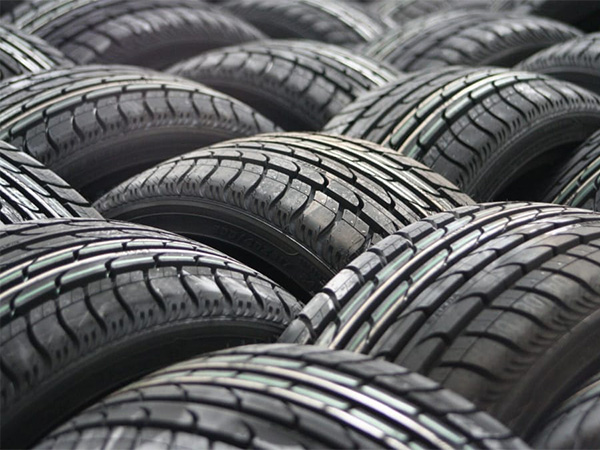
When it comes to vehicle safety, tire condition is critical—but tire age is just as important as tread depth. Even if your tires look fine, they can degrade over time due to exposure to heat, sunlight, moisture, and fluctuating temperatures. Understanding how to read tire date codes helps you make informed decisions about maintenance and replacement, keeping you safer on the road.
Why Tire Age Is Important
Tires naturally deteriorate as they age, regardless of mileage. Over time, rubber compounds break down, leading to reduced traction, cracks, or even sudden failure. Aging tires are more susceptible to blowouts and tread separation—especially during high-speed driving or extreme weather conditions.
Updated Insight: Modern tire compounds are more durable than in the past, but aging is still unavoidable. Safety experts continue to recommend closely monitoring tire age, particularly in regions with harsh seasonal changes.
Where to Find the Tire Date Code
To determine your tire’s age, locate the DOT (Department of Transportation) code on the sidewall. This code is typically stamped on one side of the tire and may require you to check the inner sidewall if it’s not visible externally.
Look for a sequence ending in four digits—this is the key to identifying when the tire was manufactured.
How to Read the Tire Date Code
The last four digits of the DOT code indicate the tire’s production date:
Quick Tip: Tires manufactured before 2000 may have a three-digit code and should be replaced immediately due to age.
Understanding Tire Aging and Warning Signs
Even with proper care, tires age over time. Factors that accelerate aging include:
How Long Do Tires Last?
While there’s no universal expiration date, most manufacturers and safety organizations recommend replacing tires every 6 to 10 years, regardless of tread condition.
Best Practice (2026):
Tire Maintenance Tips to Extend Lifespan
Proper care can help maximize your tires’ performance and longevity:
A proactive approach to tire care not only improves safety but also enhances performance and peace of mind on every journey.
Why Tire Age Is Important
Tires naturally deteriorate as they age, regardless of mileage. Over time, rubber compounds break down, leading to reduced traction, cracks, or even sudden failure. Aging tires are more susceptible to blowouts and tread separation—especially during high-speed driving or extreme weather conditions.
Updated Insight: Modern tire compounds are more durable than in the past, but aging is still unavoidable. Safety experts continue to recommend closely monitoring tire age, particularly in regions with harsh seasonal changes.
Where to Find the Tire Date Code
To determine your tire’s age, locate the DOT (Department of Transportation) code on the sidewall. This code is typically stamped on one side of the tire and may require you to check the inner sidewall if it’s not visible externally.
Look for a sequence ending in four digits—this is the key to identifying when the tire was manufactured.
How to Read the Tire Date Code
The last four digits of the DOT code indicate the tire’s production date:
- The first two digits represent the week of manufacture
- The last two digits represent the year
Quick Tip: Tires manufactured before 2000 may have a three-digit code and should be replaced immediately due to age.
Understanding Tire Aging and Warning Signs
Even with proper care, tires age over time. Factors that accelerate aging include:
- Prolonged sun exposure (UV damage)
- Extreme heat or cold
- Infrequent use or long-term storage
- Poor inflation or maintenance habits
- Sidewall cracking or “dry rot”
- Fading or discoloration
- Bulges or deformities
- Uneven or excessive wear
How Long Do Tires Last?
While there’s no universal expiration date, most manufacturers and safety organizations recommend replacing tires every 6 to 10 years, regardless of tread condition.
Best Practice (2026):
- Inspect tires annually after year 5
- Replace tires at 6–7 years for optimal safety
- Never exceed 10 years from the manufacture date
Tire Maintenance Tips to Extend Lifespan
Proper care can help maximize your tires’ performance and longevity:
- Check tire pressure monthly and before long trips
- Rotate tires every 5,000–7,500 miles
- Keep tires clean and free of debris
- Store seasonal tires in a cool, dry place away from sunlight
- Avoid overloading your vehicle
A proactive approach to tire care not only improves safety but also enhances performance and peace of mind on every journey.