
FEATURE ARTICLE
7 Practical Ways to Improve Yard Drainage and Prevent Water Problems
Apr 15, 2026
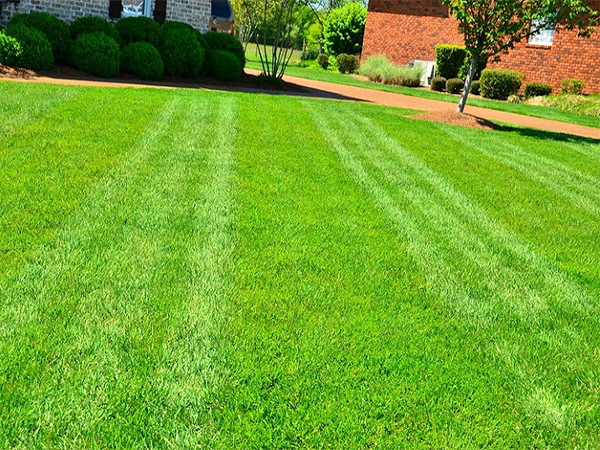
Proper yard drainage is essential for maintaining a healthy, safe, and visually appealing outdoor space. Excess water can lead to soggy lawns, soil erosion, plant damage, and even long-term issues with your home’s foundation. With changing weather patterns and more frequent heavy rainfall in many regions, effective drainage solutions are more important than ever.
The good news is that most drainage problems can be improved with a combination of smart landscaping and simple maintenance strategies.
7 Effective Tips for Better Yard Drainage
With the right approach, your outdoor space can stay healthier, drier, and more enjoyable throughout the year—even during heavy rainfall seasons.
The good news is that most drainage problems can be improved with a combination of smart landscaping and simple maintenance strategies.
7 Effective Tips for Better Yard Drainage
-
Evaluate Your Yard’s Drainage Patterns
Start by observing how water moves across your property after rainfall. Identify low spots, pooling areas, and runoff paths. Pay attention to roof runoff, soil type, and slope direction to identify the cause of drainage issues. -
Improve Grading and Create Proper Slopes
A properly graded yard should gently slope away from your home’s foundation. This helps direct water toward safe drainage areas such as swales or storm drains. In some cases, minor regrading or adding soil may be necessary to correct problem areas. -
Install a French Drain System
A French drain is a proven solution for persistent water buildup. It uses a perforated pipe surrounded by gravel to collect and redirect excess water away from saturated areas. This system is especially useful for yards with clay-heavy soil or poor natural drainage. -
Keep Gutters and Downspouts Clean and Functional
Clogged gutters are one of the most common causes of yard drainage problems. Regularly remove leaves and debris, especially during fall and storm seasons. Ensure downspouts extend several feet away from your foundation to prevent water pooling near your home. -
Add a Rain Garden for Natural Water Absorption
Rain gardens are landscaped areas designed to capture and absorb stormwater runoff. Using native plants with deep root systems helps improve soil absorption while creating an attractive, eco-friendly feature in your yard. -
Use Permeable Paving Materials
Replace or upgrade traditional concrete surfaces with permeable options such as gravel, porous pavers, or permeable concrete. These materials allow rainwater to filter through the surface, reducing runoff and improving groundwater absorption. -
Redirect Downspout Water Flow
If downspouts release water too close to your home, install extensions or flexible drainage pipes to guide water to safer areas. Directing runoff toward gardens, drainage swales, or dry wells helps reduce pooling and soil erosion.
With the right approach, your outdoor space can stay healthier, drier, and more enjoyable throughout the year—even during heavy rainfall seasons.