
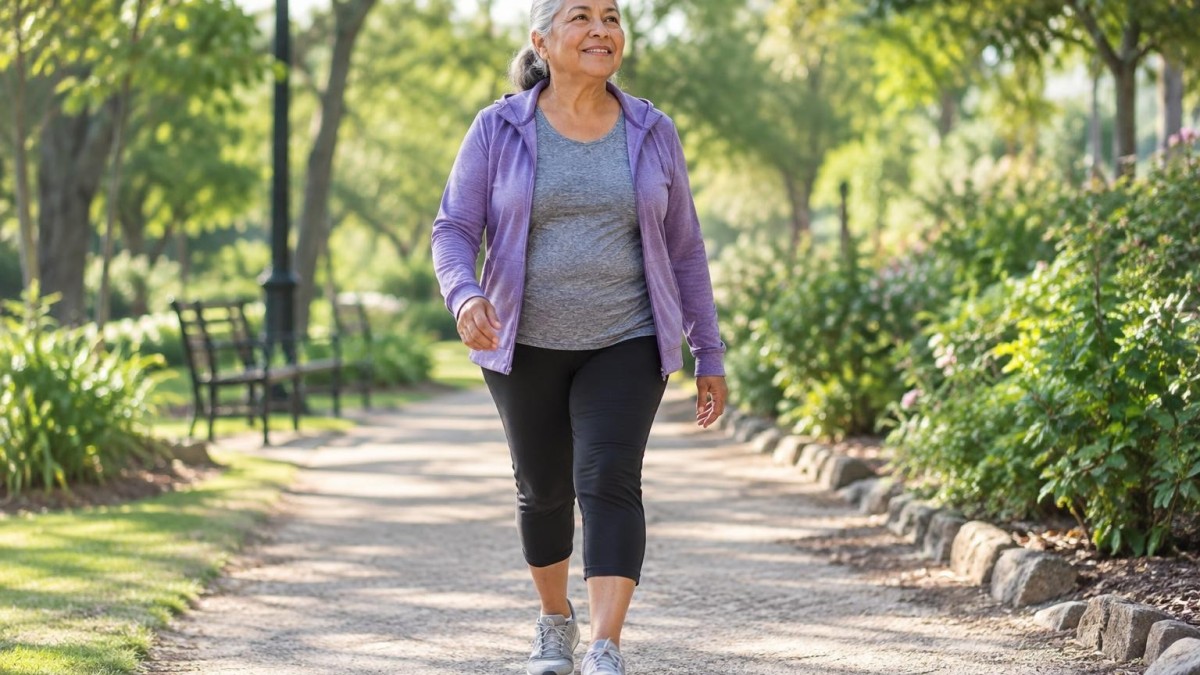
Why Walking Posture Matters
Walking might be something we all do daily without much thought, but how you walk can greatly affect your health. Proper walking posture isn’t just about looking confident—it eases strain on your joints and muscles by promoting balanced weight distribution and coordinated movement. This helps lower the risk of aches in the neck, back, hips, and knees and reduces the chance of chronic injuries.
Key Tips for Better Walking Posture
Improving your walking posture doesn’t mean changing everything at once. Start with small, mindful adjustments:
• Keep your head up and eyes focused about 10 to 20 feet ahead, rather than looking down at your phone or feet. This reduces neck tension and helps you stay alert to your surroundings.
• Relax your shoulders, gently rolling them back and down to avoid hunching, which can cause tightness in your upper back.
• Maintain a neutral spine with its natural curves—think tall and elongated, not stiff or slouched.
• Let your arms swing naturally by your sides, bending your elbows at about 90 degrees. Keep your hands relaxed to preserve a smooth rhythm.
• Keep your hips level and stable, avoiding excessive side-to-side movement that can stress your lower back over time.
• Engage your core muscles lightly to support your pelvis and keep your walking controlled.
• Take comfortable strides landing on your heel first and rolling forward to your toes. Avoid overstriding and keep your feet pointed straight ahead to protect your joints.
Benefits You’ll Notice
When you walk with good posture, you may find yourself feeling less pain and more energized. Proper alignment helps reduce injury risks by evenly spreading forces across your body. It also improves your balance and coordination, lowering the chance of stumbling, which is especially important as we get older.
Walking efficiently means you’ll tire less quickly, allowing for longer, more enjoyable strolls. Standing tall allows your lungs to expand fully, improving breathing and circulation. Better walking posture often translates to better posture when standing or sitting, benefiting your overall musculoskeletal health.
Simple Practices to Get Started
Begin with short walks focused on posture awareness. Regularly check in with your body by noting your head position, shoulders, and core engagement. Wear comfortable, supportive shoes that fit your feet well. Limit phone use while walking to maintain focus on your form. Adding light stretches or mobility exercises can also aid your walking comfort and posture.
Walking is accessible to nearly everyone, but walking well can transform this simple activity into a powerful way to support your health and comfort. Remember, the next time you head out, stand tall, look ahead, and walk with purpose—your body will thank you for it.
Newsletter Station provides professionally written, ready-to-send newsletters customized for your market and brand.
EXPLORE NEWSLETTER OPTIONS