
FEATURE ARTICLE
Urban vs. Suburban Pest Control: Key Differences, Challenges, and Modern Solutions
Apr 15, 2026
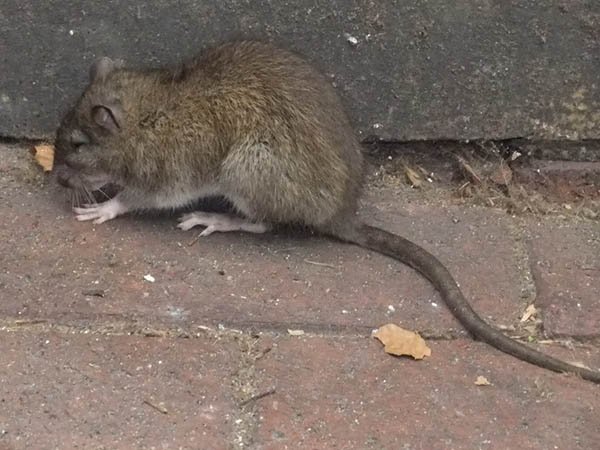
Pests are unwelcome guests in any environment—urban or suburban. However, pest control strategies can vary dramatically depending on location. Factors like population density, infrastructure, landscaping, and climate all influence how infestations develop and how they should be managed.
In this updated guide, we’ll break down the unique challenges of urban and suburban pest control and highlight modern, effective strategies to keep properties protected year-round.
Urban Pest Control
Urban environments are defined by high population density, dense infrastructure, and limited green space. These conditions create ideal breeding grounds for pests such as rodents, cockroaches, bed bugs, and mosquitoes. Increased global travel and e-commerce deliveries have also accelerated the spread of pests in cities.
Key Challenges
Suburban areas typically offer more space, greenery, and a mix of residential and light commercial properties. While they may seem less prone to infestations, they present their own unique pest challenges—often tied to landscaping and nearby wildlife.
Key Challenges
Proactive Landscape Management
Choose pest-resistant plants, avoid overwatering, and maintain proper drainage to reduce breeding areas.
There’s no one-size-fits-all solution for pest control. Urban environments require coordinated efforts across buildings and communities, while suburban strategies often focus on prevention, landscaping, and wildlife management.
Across both settings, modern pest control trends emphasize:
Whether you’re managing a city property or maintaining a suburban home, understanding the unique pest pressures of your environment is the first step toward effective control.
A proactive approach—combining sanitation, exclusion, monitoring, and eco-conscious treatments—will deliver the best long-term results while protecting both people and the environment.
In this updated guide, we’ll break down the unique challenges of urban and suburban pest control and highlight modern, effective strategies to keep properties protected year-round.
Urban Pest Control
Urban environments are defined by high population density, dense infrastructure, and limited green space. These conditions create ideal breeding grounds for pests such as rodents, cockroaches, bed bugs, and mosquitoes. Increased global travel and e-commerce deliveries have also accelerated the spread of pests in cities.
Key Challenges
-
High Population Density
Large populations generate consistent food waste and shelter opportunities, allowing pests to multiply rapidly. -
Waste Management Issues
Overflowing dumpsters, improper trash storage, and inconsistent collection schedules attract rats, flies, and cockroaches. -
Structural Complexity
Multi-unit buildings, basements, and utility systems create hidden pathways and nesting areas that make infestations harder to detect and eliminate. -
Reduced Natural Predators
Limited green space means fewer birds and beneficial insects that naturally control pest populations. Effective Urban Strategies
-
Enhanced Sanitation Protocols
Secure trash storage, routine cleaning schedules, and proper food handling significantly reduce pest attraction. -
Structural Repairs & Exclusion
Sealing cracks, fixing leaks, and upgrading door sweeps and vents prevent pests from entering and nesting. -
Smart Monitoring Technology
Digital traps and sensors help identify pest activity early, allowing for faster, more targeted intervention. -
Public Education & Tenant Cooperation
Property-wide success depends on consistent habits—educating residents is critical in shared environments.
Suburban areas typically offer more space, greenery, and a mix of residential and light commercial properties. While they may seem less prone to infestations, they present their own unique pest challenges—often tied to landscaping and nearby wildlife.
Key Challenges
-
Landscaping & Lawn Care
Gardens, mulch beds, and irrigation systems create ideal habitats for ants, termites, ticks, and mosquitoes. -
Wildlife Intrusions
Proximity to wooded areas increases encounters with raccoons, squirrels, skunks, and birds that can damage property or introduce parasites. -
Habitat Disruption
Ongoing development can displace wildlife, pushing pests closer to homes. -
Transportation & Travel
Bed bugs, fleas, and other hitchhiking pests can spread via vehicles, luggage, and visitors.
Proactive Landscape Management
Choose pest-resistant plants, avoid overwatering, and maintain proper drainage to reduce breeding areas.
-
Wildlife Exclusion Techniques
Install fencing, chimney caps, and vent covers to block entry points, and use humane removal methods when needed. -
Eco-Friendly Pest Control Options
Botanical sprays, bait systems, and pheromone traps help control pests without harming beneficial insects or pollinators. -
Community Collaboration
Neighborhood-wide efforts—like coordinated mosquito control or shared education—lead to longer-lasting results. -
Seasonal Pest Prevention Plans
Regular inspections and treatments aligned with seasonal pest activity (ticks in spring, rodents in fall) improve effectiveness.
There’s no one-size-fits-all solution for pest control. Urban environments require coordinated efforts across buildings and communities, while suburban strategies often focus on prevention, landscaping, and wildlife management.
Across both settings, modern pest control trends emphasize:
- Prevention over reaction
- Reduced reliance on harsh chemicals
- Data-driven monitoring and early detection
- Environmentally responsible treatments
Whether you’re managing a city property or maintaining a suburban home, understanding the unique pest pressures of your environment is the first step toward effective control.
A proactive approach—combining sanitation, exclusion, monitoring, and eco-conscious treatments—will deliver the best long-term results while protecting both people and the environment.