
FEATURE ARTICLE
Gardening 101: Essential Terms Every Gardener Should Know
Apr 15, 2026
Gardening is a rewarding hobby that brings you closer to nature while improving the beauty, health, and value of your outdoor space. Whether you’re planting your first container garden or managing a full backyard landscape, understanding basic gardening terminology can make your experience more successful and enjoyable.
As interest in home gardening and sustainable landscaping continues to grow, learning the “language of gardening” can help you make better plant choices, solve common problems, and communicate more confidently with garden centers and fellow gardeners.
Key Gardening Terms Explained
With a strong foundation in these essential terms, you’ll be better equipped to plan, plant, and maintain a thriving garden year-round.
As interest in home gardening and sustainable landscaping continues to grow, learning the “language of gardening” can help you make better plant choices, solve common problems, and communicate more confidently with garden centers and fellow gardeners.
Key Gardening Terms Explained
-
Perennials and Annuals
Perennials are plants that live for multiple years and return each growing season. Annuals complete their life cycle in one season and need to be replanted each year. A mix of both helps create a garden that offers continuous color and variety. Mulch
Mulch is a protective layer placed over soil, such as bark, straw, or compost. It helps retain moisture, suppresses weeds, and regulates soil temperature, making it an essential part of modern garden maintenance. -
Compost
Compost is decomposed organic material that enriches soil with nutrients. It improves soil structure, boosts fertility, and supports beneficial microorganisms that help plants thrive naturally. -
Pruning
Pruning involves trimming branches, stems, or leaves to encourage healthy growth, remove dead material, and shape plants. Proper pruning improves airflow and reduces the risk of disease. -
Soil pH
Soil pH measures how acidic or alkaline your soil is. Most plants prefer a slightly acidic to neutral pH range. Testing soil pH helps you choose the right plants and improve growing conditions. -
Transplanting
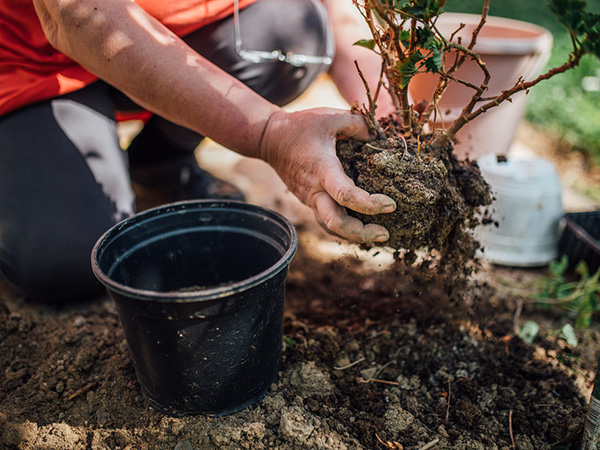
Transplanting is moving a plant from one location to another. When done correctly, it helps plants establish stronger root systems and continue healthy growth with minimal stress. -
Deadheading
Deadheading is the removal of spent or faded flowers. This encourages new blooms, keeps plants looking tidy, and extends the flowering season. -
Hardiness Zone
A hardiness zone is a geographic classification that shows the average minimum winter temperature in an area. It helps gardeners select plants that can survive local climate conditions. -
Fertilizer
Fertilizers provide essential nutrients such as nitrogen, phosphorus, and potassium. They support plant growth, flowering, and fruit production and are available in organic and synthetic forms. -
Sunlight Requirements
Plants require different levels of sunlight, including full sun, partial sun, or shade. Matching plants to their light needs is critical for healthy growth and strong yields. -
Watering Schedule
Different plants require different watering routines. Overwatering and underwatering are common gardening mistakes, so understanding soil moisture needs is key to plant health. -
Companion Planting
Companion planting involves growing certain plants together that benefit one another. Some combinations naturally help deter pests, improve pollination, or enhance soil health. -
Hybrid vs. Heirloom
Hybrid plants are bred for specific traits, such as disease resistance or higher yield. Heirloom plants are traditional, open-pollinated varieties known for unique flavor, history, and genetic diversity. -
Soil Aeration
Soil aeration improves root access to oxygen and nutrients, allowing roots to access them more efficiently. It also helps reduce compaction and improve drainage. -
Hardscape
Hardscape refers to non-living garden elements such as patios, walkways, retaining walls, and decorative structures. A balanced garden design combines both hardscape and plants for visual harmony and function.
With a strong foundation in these essential terms, you’ll be better equipped to plan, plant, and maintain a thriving garden year-round.