
FEATURE ARTICLE
How to Prevent Water Stains on Hardwood Floors: A Practical Guide for Long-Lasting Beauty
Apr 15, 2026
Hardwood floors bring timeless elegance, warmth, and value to any home or business. However, they are also vulnerable to moisture damage, with water stains among the most common issues homeowners face. Left untreated, even small spills can seep into the wood, causing discoloration, warping, or long-term damage.
The good news? With a few proactive habits and updated maintenance practices, you can protect your hardwood floors and keep them looking beautiful for years to come.
Why Water Stains Happen
Hardwood is a natural material that expands and contracts with moisture. When water sits on the surface for too long, it can penetrate the finish and enter the wood fibers, leading to stains, dull spots, or even structural damage.
Prevention is always easier—and more affordable—than repair.
Consistent maintenance doesn’t just protect your floors—it protects your home’s overall value and appeal. With a few simple habits, you can keep your hardwood floors looking polished, professional, and welcoming year-round.
The good news? With a few proactive habits and updated maintenance practices, you can protect your hardwood floors and keep them looking beautiful for years to come.
Why Water Stains Happen
Hardwood is a natural material that expands and contracts with moisture. When water sits on the surface for too long, it can penetrate the finish and enter the wood fibers, leading to stains, dull spots, or even structural damage.
Prevention is always easier—and more affordable—than repair.
-
Act Quickly on Spills
Speed is your best defense against water stains.- Blot spills immediately with a clean, dry cloth
- Avoid rubbing, which can push moisture deeper into the wood
- For sticky spills, follow up with a slightly damp cloth, then dry thoroughly
-
Use Rugs and Mats in High-Risk Areas
Protective coverings are a simple yet highly effective solution.
Place rugs or mats:- At entryways (to catch rain, snow, and debris)
- In kitchens near sinks and dishwashers
- Around pet feeding stations
-
Protect Surfaces with Coasters and Trays
Furniture and décor can introduce hidden moisture risks.- Use coasters under drinks to prevent condensation rings
- Place trays under plants to catch excess water
- Add protective pads under vases or decorative items
-
Clean Properly—Avoid Excess Water
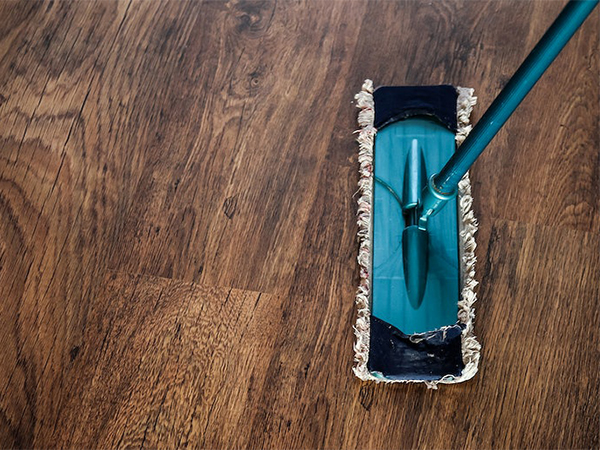
Modern hardwood care emphasizes low-moisture cleaning techniques.- Use a damp (not wet) microfiber mop
- Choose a pH-neutral cleaner designed specifically for hardwood floors
- Avoid steam mops, which can force moisture into the wood
-
Control Indoor Humidity Year-Round
Maintaining consistent humidity is critical for hardwood floor health.- Ideal indoor humidity: 30%–50%
- Use a dehumidifier in humid months
- Use a humidifier during dry winter seasons
-
Seal and Maintain the Finish
A strong protective finish acts as your floor’s first line of defense.- Reapply polyurethane or recommended sealants as needed
- Schedule professional refinishing for worn or older floors
- Consider modern water-resistant finishes for added protection
-
Manage Foot Traffic and Pets
Moisture is often tracked in from outside.- Encourage a no-shoes policy indoors
- Place a boot tray near entrances during wet seasons
- Wipe pet paws after walks
-
Inspect Regularly for Hidden Risks
Routine checks can prevent costly repairs.- Look for leaks under sinks, refrigerators, and dishwashers
- Check windows and doors for water intrusion
- Monitor for early signs like dull spots, discoloration, or cupping
Consistent maintenance doesn’t just protect your floors—it protects your home’s overall value and appeal. With a few simple habits, you can keep your hardwood floors looking polished, professional, and welcoming year-round.