
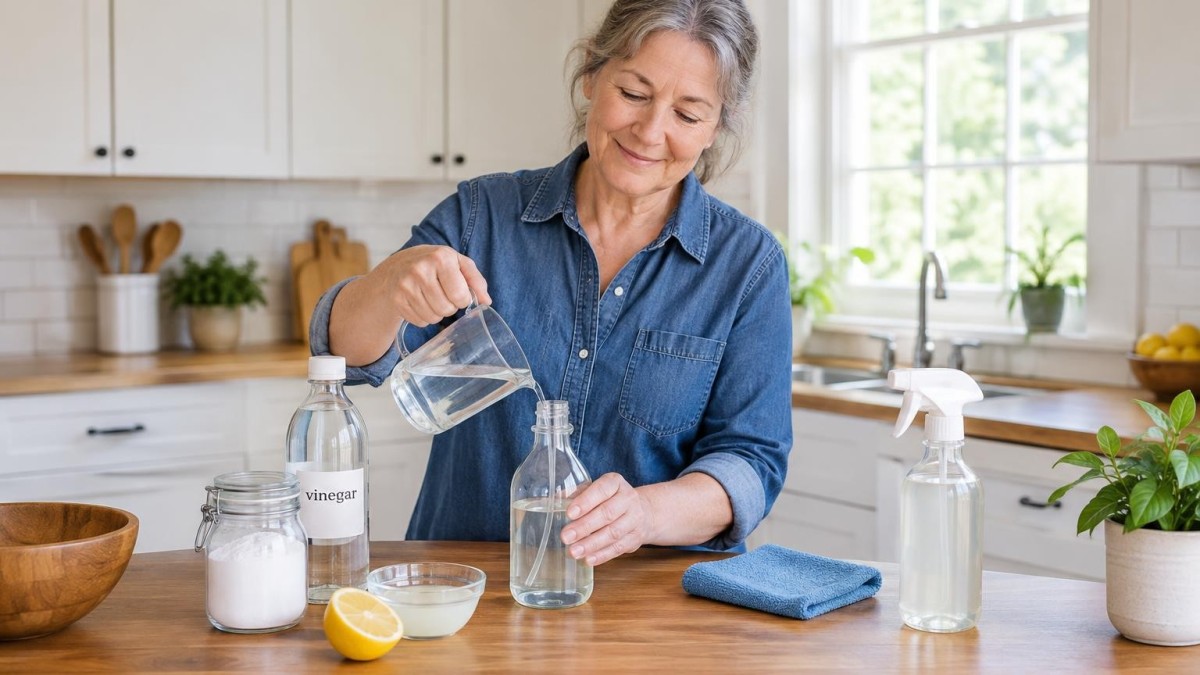
Simple Ingredients for Everyday Cleaning
You don’t need a vast collection of specialized cleaners to keep your home fresh and tidy. Common household staples like white vinegar, baking soda, dish soap, rubbing alcohol, and lemon juice can handle many typical cleaning tasks. These ingredients are affordable, versatile, and readily available, making them excellent choices for simplifying your cleaning routine.
Practical Benefits of DIY Cleaning Solutions
Using homemade cleaners gives you control over what goes into your products, which is especially helpful if you prefer less fragrance or want to avoid harsh chemicals. Reusing spray bottles and buying supplies in bulk not only saves money but also reduces packaging waste. Plus, these solutions work well for everyday messes, from greasy kitchen counters to glass smudges and odors.
Keep Safety and Surfaces in Mind
While natural ingredients can be great cleaners, they’re not always appropriate for every surface or job. For instance, vinegar and lemon juice are acidic and can damage natural stone like marble or granite. Baking soda is mildly abrasive, so test it on delicate surfaces first. Also, homemade cleaners are designed for cleaning, not disinfecting—if you need to kill germs on cutting boards or after illness, use an EPA-registered disinfectant instead.
Easy DIY Recipes to Try
- All-Purpose Cleaner: Mix warm water with a small amount of dish soap for wiping many surfaces.
- Glass Cleaner: Combine one part white vinegar with three parts water; use a microfiber cloth to avoid streaks.
- Baking Soda Paste: Mix baking soda with water into a paste to scrub stuck-on grime.
- Oven Cleaner: Apply a thick baking soda paste to cool oven surfaces, let it sit, then scrub gently.
- Bathroom Soap Scum Cleaner: Spray a 1:1 solution of vinegar and water to loosen mineral buildup; rinse thoroughly.
- Deodorizing Spray: Blend water, a little rubbing alcohol, and a few drops of safe essential oil for a light room freshener.
Mixing with Caution
Never combine bleach with vinegar or ammonia, as such mixes release toxic gases. Also avoid mixing vinegar and hydrogen peroxide, which can form irritating acids. Baking soda and vinegar react to fizz but don’t create a more powerful cleaner. Always label your homemade products clearly and test new cleaners on a small area first.
By keeping cleaning simple and knowing which ingredients suit which tasks, you can maintain a clean, fresh home without cluttering your cabinets or exposing your family to unnecessary chemicals.
Newsletter Station provides professionally written, ready-to-send newsletters customized for your market and brand.
EXPLORE NEWSLETTER OPTIONS