
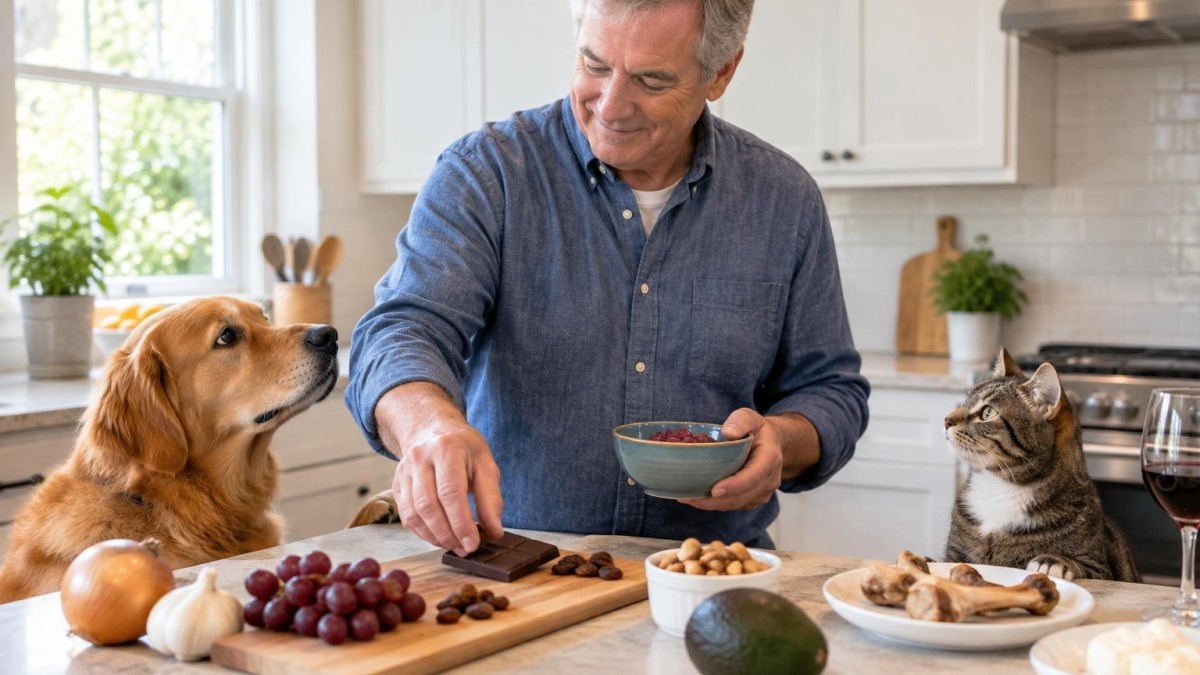
Foods Pets Should Never Eat
It’s natural to want to share your snacks with your pets, but some human foods can be harmful or even deadly for dogs and cats. Being aware of which foods to avoid helps protect your furry friends from serious health risks.
Common Toxic Foods to Watch For
Chocolate: Chocolate contains theobromine and caffeine, substances pets can’t properly process. Dark and baking chocolates are particularly dangerous. Signs of poisoning may include vomiting, diarrhea, rapid breathing, increased heart rate, and in severe instances, seizures. Store chocolate securely to prevent accidents.
Grapes and Raisins: Even small amounts can cause sudden kidney failure in dogs. Symptoms often include lethargy, vomiting, loss of appetite, and reduced urination. Because the exact toxic element isn’t fully understood, it’s safest to keep all grapes and raisins away from pets.
Onions and Garlic: Found in many prepared foods, these can damage pets’ red blood cells and lead to anemia. They are harmful whether raw, cooked, powdered, or dehydrated, and may be hidden in sauces or gravies. Symptoms might not appear immediately, so be vigilant if you suspect exposure.
Xylitol (Artificial Sweetener): Common in sugar-free gum, candies, baked goods, and some peanut butters, xylitol can trigger a rapid drop in blood sugar and cause seizures or liver failure in dogs. Always check ingredient labels before offering any packaged food to pets.
Alcohol: Even small quantities can cause disorientation, vomiting, breathing difficulties, or worse. Keep alcoholic drinks and foods securely out of reach, especially during gatherings where spills are more likely.
Other Foods to Avoid
Avocado: Contains persin, which may upset your pet’s stomach. The pit also poses a choking hazard, so it’s best not to share any form of avocado.
Macadamia Nuts: Toxic to dogs, causing weakness, tremors, vomiting, and fever.
Cooked Bones: These can easily splinter, leading to choking or internal injuries. Opt for vet-approved dental chews or safe chew toys instead.
Additionally, caffeine (from coffee or tea), raw yeast dough that expands in the stomach, fatty or greasy foods that may cause pancreatitis, and dairy products that many pets have trouble digesting should also be avoided.
What To Do If Your Pet Eats a Toxic Food
If your pet consumes something harmful, act promptly: remove any remaining access to the food, note what and how much was eaten, and contact your veterinarian or an emergency animal clinic immediately. Quick action can be lifesaving.
Being informed about hazardous foods and practicing caution helps keep your pets safe, ensuring many happy years together.
Newsletter Station provides professionally written, ready-to-send newsletters customized for your market and brand.
EXPLORE NEWSLETTER OPTIONS