
Recognizing Hidden Environmental Dangers
Your home should be a sanctuary, but unseen hazards like mold, asbestos, and radon can quietly affect your family’s health. These issues are often more common than homeowners expect, particularly in older buildings or places with inadequate ventilation. Keeping informed and acting promptly helps maintain a safe and comfortable living space.
Mold: The Moisture Menace
Mold grows best in damp, humid spots such as basements, bathrooms, crawl spaces, and attics. It may also lurk behind walls or beneath floors, out of sight. Exposure to mold can lead to allergies, asthma flare-ups, and other breathing problems.
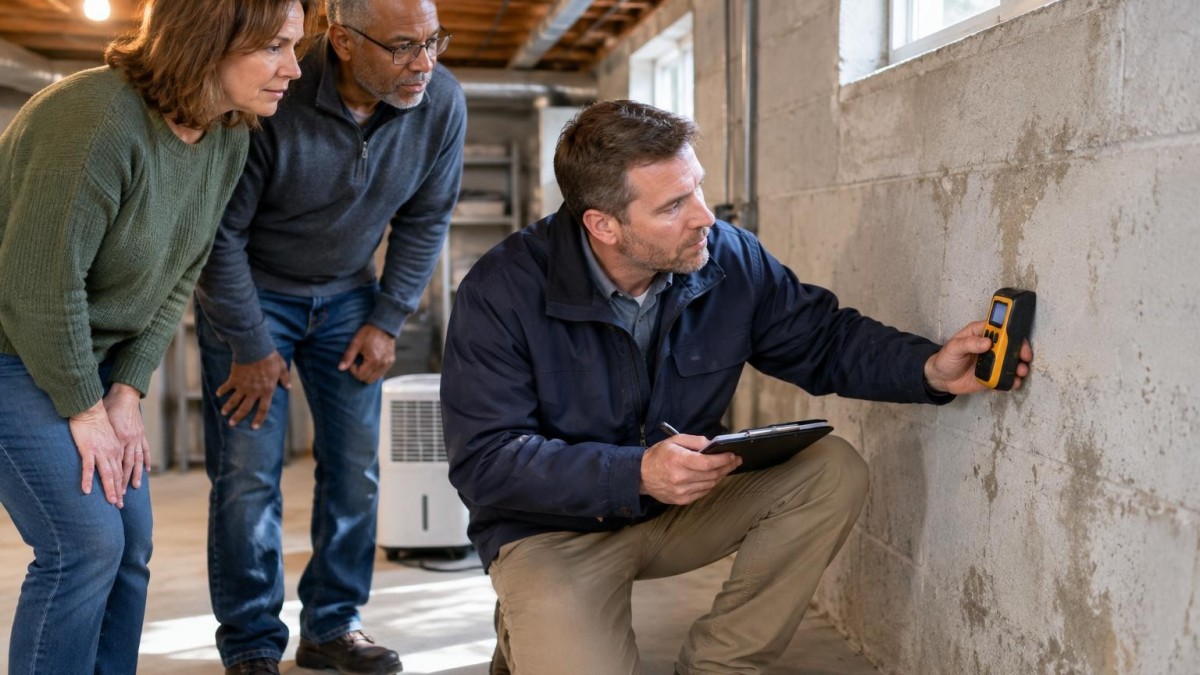
Modern detection techniques include moisture meters, infrared cameras, and air-quality tests, enabling inspectors to find hidden mold even when it’s not visible. Preventing mold involves fixing leaks, ensuring good ventilation, and using dehumidifiers where needed.
Asbestos: A Legacy Risk from the Past
Before the 1980s, asbestos was common in building materials such as insulation, ceiling tiles, siding, and flooring. Disturbing these materials can release fibers that are harmful when inhaled, potentially causing serious lung conditions over time.
While a home inspector can identify where asbestos might be present, testing and removal require licensed abatement professionals. Thanks to improved regulations and safer removal techniques, managing asbestos hazards is much more effective today.
Radon: The Invisible Threat
Radon is a naturally occurring, odorless, and invisible radioactive gas that can enter homes through foundation cracks. Long-term exposure is one of the leading causes of lung cancer in non-smokers.
Testing is the only way to detect radon. There are affordable, continuous monitoring devices on the market, and mitigation systems, such as sub-slab depressurization, can efficiently reduce radon levels indoors.
The Importance of Professional Inspections
Identifying these hazards early helps save money and protect your family’s health. Small problems like moisture buildup can escalate quickly if not addressed.
Certified home inspectors use advanced tools and expertise to uncover subtle warning signs that most DIY efforts might miss, ensuring a thorough and reliable assessment.
A detailed inspection offers peace of mind, confirming your home environment is safe and free from hidden contaminants so you can focus on comfort and safety.
Practical Steps to Stay Safe
Besides scheduling regular inspections, homeowners can reduce risks by maintaining effective ventilation in wet areas, fixing leaks promptly, testing for radon every few years or after renovations, avoiding disturbance of suspected asbestos materials, and using air purifiers or humidity control systems.
While hazards like mold, asbestos, and radon can be hidden, today’s technology and professional expertise make them manageable. Staying proactive with inspections and maintenance ensures your home remains a safe and healthy place for you and your loved ones.
Newsletter Station provides professionally written, ready-to-send newsletters customized for your market and brand.
EXPLORE NEWSLETTER OPTIONS