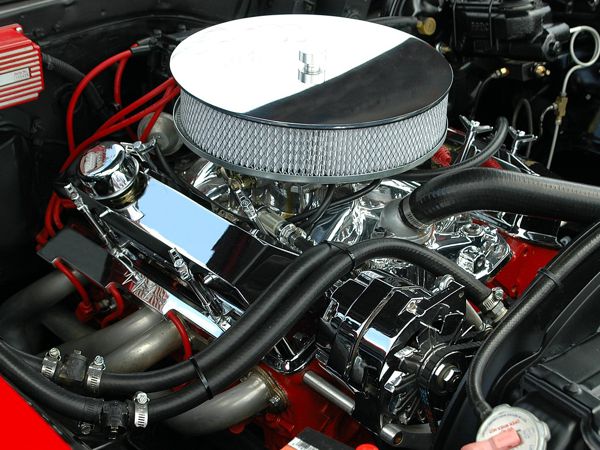
For automotive enthusiasts, upgrading your car’s engine is one of the most rewarding ways to unlock hidden power and enhance performance. Whether you’re a seasoned gearhead or new to car modifications, understanding the most effective engine upgrades and their benefits is key to getting the results you want.
In this guide, we explore popular engine upgrades that can rejuvenate your vehicle, improve efficiency, and elevate your driving experience.
-
Cold Air Intake
A cold air intake replaces the factory air filter and intake tubing with larger, smoother pipes and a high-performance air filter. By drawing cooler, denser air from outside the engine bay, the engine receives more oxygen during combustion.
Benefits:
-
Increased horsepower and torque
-
Enhanced throttle response
-
Improved fuel efficiency
-
Aggressive engine sound
This is a relatively simple and cost-effective upgrade, especially effective for naturally aspirated engines. Regular filter maintenance ensures long-term performance gains.
-
Performance Exhaust System
Upgrading to a performance exhaust system reduces backpressure with wider pipes, high-flow mufflers, and fewer restrictions, allowing the engine to breathe more freely.
Benefits:
-
Increased horsepower and torque
-
Deeper, more aggressive exhaust note
-
Potentially better fuel efficiency
When selecting an exhaust system, consider local noise regulations and ensure the sound matches your preference. Proper installation also protects engine longevity.
-
Engine Tuning and Remapping
Engine tuning, or remapping, adjusts the software that controls your engine’s parameters, such as the air/fuel mixture and ignition timing. Professional tuners can extract additional power and efficiency tailored to your driving style.
Benefits:
-
Enhanced throttle response
-
Increased horsepower and torque
-
Improved fuel economy (with conservative driving)
-
Personalized driving experience
Pairing tuning with a dyno test ensures your car is optimized for both performance and reliability.
-
Turbocharging and Supercharging
Forced induction through turbocharging or supercharging dramatically boosts power by compressing incoming air, allowing more oxygen into the combustion chamber.
Turbocharging: Uses exhaust gases to spin a turbine
Supercharging: Uses a belt-driven compressor
Benefits:
-
Significant increases in horsepower and torque
-
Improved acceleration
-
More power from smaller engines
Supporting modifications, proper installation, and engine cooling upgrades are critical for long-term reliability.
-
Performance Camshafts
Performance camshafts enhance valve timing, duration, and lift, improving airflow and combustion efficiency. This upgrade increases high-RPM power and provides a sportier engine note.
Benefits:
-
Increased horsepower and torque at high RPMs
-
Enhanced throttle response
-
Aggressive engine sound
Additional upgrades, such as valve springs and engine management adjustments, may be necessary to realize the benefits fully.
Additional Tips for Engine Upgrades
-
Prioritize Safety and Reliability: Always ensure supporting components like cooling systems and fuel delivery are upgraded to handle increased power.
-
Consult Professionals: Experienced tuners can optimize performance while avoiding engine damage.
-
Budget and Usage Considerations: Match upgrades to your driving style, whether daily commuting, weekend cruising, or track performance.
-
Regular Maintenance: Routine oil changes, spark plug checks, and inspection of intake and exhaust systems prolong engine life after modifications.
Upgrading your engine is an exciting way to unlock your car’s full potential and enhance every drive. Whether you start with simpler modifications like cold air intakes or go all-in with turbocharging and tuning, each upgrade offers unique advantages. By prioritizing professional guidance, safety, and maintenance, you can enjoy powerful, reliable, and exhilarating performance for years to come.