
FEATURE ARTICLE
How to Design a Stunning Front Entry Garden
Apr 8, 2026
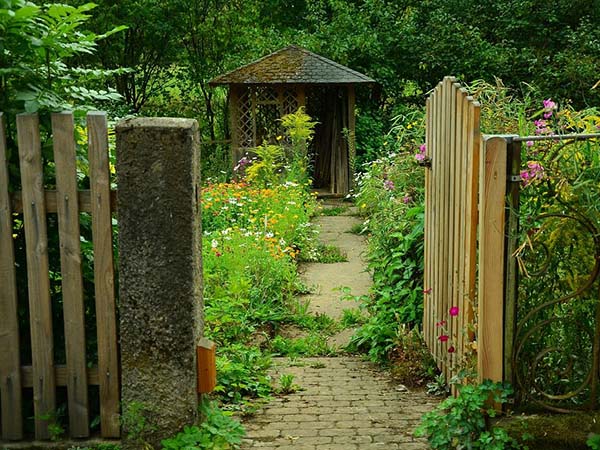
Your front entry garden sets the tone for your home, providing a warm welcome while boosting curb appeal. Whether you have a small space or a sprawling yard, a well-designed front garden can showcase your personality and create a lasting first impression.
This guide walks you through the steps to design and maintain a front entry garden that complements your home’s architecture, suits your style, and enhances your property’s overall appeal.
Step 1: Define Your Goals
Before planting, clarify what you want to achieve with your garden:
Evaluate the characteristics of your front entry:
Sketch a layout including pathways, planting beds, and focal points:
Choose plants that thrive in your conditions and suit your style:
Bring your garden to life with proper installation and ongoing care:
Whether your space is compact or expansive, your front entry garden can become a stunning focal point that elevates curb appeal, reflects your personality, and welcomes guests with style.
This guide walks you through the steps to design and maintain a front entry garden that complements your home’s architecture, suits your style, and enhances your property’s overall appeal.
Step 1: Define Your Goals
Before planting, clarify what you want to achieve with your garden:
- Purpose: Boost curb appeal, create a serene retreat, or add greenery.
- Maintenance Level: Consider how much time you can dedicate to upkeep.
- Style and Theme: Choose between formal symmetry, naturalistic plantings, or modern designs.
- Budget: Knowing your budget helps guide plant and material choices.
Evaluate the characteristics of your front entry:
- Sunlight: Identify sun and shade patterns to choose plants that thrive in your conditions.
- Soil Quality: Test soil composition and pH to inform amendments and plant selection.
- Climate: Consider regional weather patterns for plant hardiness.
- Existing Features: Incorporate walkways, architectural elements, and structures into your design.
Sketch a layout including pathways, planting beds, and focal points:
- Pathways: Plan safe, attractive walkways leading to your front door.
- Planting Beds: Use layered heights and varied textures for visual interest.
- Focal Points: Highlight sculptures, ornamental trees, or standout plants.
- Color Palette: Choose harmonious colors to create a welcoming atmosphere.
- Balance and Symmetry: Arrange elements for visual harmony.
- Hardscape Elements: Benches, garden borders, and lighting add functionality and charm.
Choose plants that thrive in your conditions and suit your style:
- Native Plants: Low-maintenance options adapted to your region.
- Evergreen and Seasonal Mix: Year-round structure with seasonal color bursts.
- Size and Growth Habit: Prevent overcrowding by considering mature sizes.
- Maintenance Level: Match plants to your skill and available time.
- Texture and Form: Combine various foliage shapes, heights, and textures to create depth.
Bring your garden to life with proper installation and ongoing care:
- Prepare the Soil: Enrich with compost or nutrients for healthy growth. Plant Carefully: Follow spacing and depth guidelines for each plant.
- Mulch: Retain moisture, suppress weeds, and improve appearance.
- Water Wisely: Adjust watering based on plant needs and local weather.
- Regular Maintenance: Prune, fertilize, and remove weeds to keep your garden vibrant.
- Seasonal Updates: Add annual flowers for seasonal color and freshness.
- Lighting: Install low-voltage or solar lights to enhance safety and visual appeal at night.
- Containers and Pots: Use planters to add height and flexibility.
- Sustainable Practices: Incorporate drought-tolerant plants and rainwater collection to reduce maintenance.
- Personal Touches: Add decorative accents that reflect your style for a unique look.
Whether your space is compact or expansive, your front entry garden can become a stunning focal point that elevates curb appeal, reflects your personality, and welcomes guests with style.