
FEATURE ARTICLE
Balancing Beauty and Function: Smart Home Design Tips for Modern Living
Apr 8, 2026
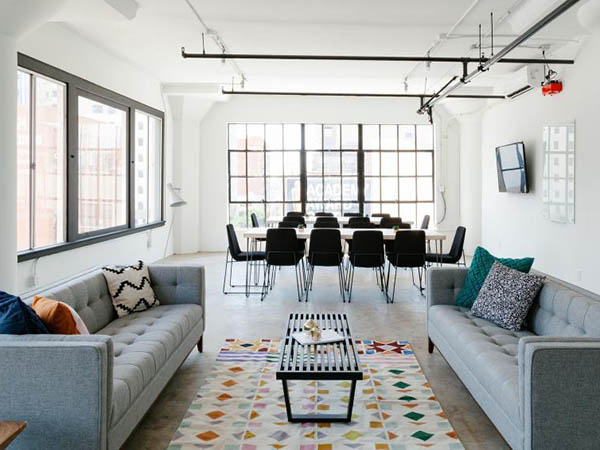
In home design, achieving the perfect balance between aesthetics and functionality is both an art and a strategy. While creating a visually appealing space is important, your home should also support your daily routines with ease and efficiency. Today’s homeowners are prioritizing spaces that not only look beautiful but also work smarter—especially as remote work, hybrid lifestyles, and multi-use rooms become more common.
Here’s how to thoughtfully blend beauty and function to create a home that truly works for you.
Understanding the Interplay of Style and Purpose
Beauty and functionality are not opposing forces—they’re most effective when designed together. A well-styled room can elevate mood, reduce stress, and create a sense of comfort, while functional design ensures your space is practical and easy to maintain. The key is intentional design that considers both form and purpose from the start.
Define Your Space with Clear Intent
Before starting any home project, define how each space will be used. Is your living room doubling as a workspace? Do you need a kitchen that supports both cooking and entertaining? Identifying primary and secondary functions helps guide decisions around layout, furniture, and décor—ensuring your design supports your lifestyle, not just your vision.
Choose Furniture That Works Hard and Looks Great
Furniture is the foundation of any room, so prioritize pieces that deliver on both style and usability. Multi-functional furniture continues to trend in 2026, with options like:
Maximize Space with Smart Storage Solutions
Clutter quickly disrupts both aesthetics and efficiency. Smart storage solutions help maintain a clean, organized look while improving usability. Consider:
Layer Your Lighting for Impact and Efficiency
Lighting plays a critical role in how a space looks and functions. A layered lighting approach ensures flexibility and comfort throughout the day:
Add Personality Without Overcrowding
Personal touches bring warmth and individuality to your home. Artwork, textiles, family heirlooms, and meaningful décor items create a space that feels uniquely yours. The key is curation—choose pieces intentionally and avoid overfilling the room. A few well-placed accents can have a stronger impact than an overcrowded display.
Design for Flexibility and Future Needs
Modern homes need to adapt. Whether accommodating a growing family, evolving work needs, or lifestyle changes, flexible design is essential. Consider modular furniture, movable partitions, and adaptable layouts that can evolve without requiring a full redesign.
Incorporate Sustainable and Durable Choices
Sustainability is no longer optional—it’s a priority. Opt for durable, eco-friendly materials that stand the test of time. Look for responsibly sourced wood, recycled materials, and high-quality finishes that reduce the need for frequent replacements. Not only does this benefit the environment, but it also adds long-term value to your home.
Balancing beauty and function in your home décor is an ongoing process that blends creativity with intentional decision-making. By clearly defining your needs, selecting versatile furniture, integrating smart storage, and layering lighting effectively, you can create a space that is both visually stunning and highly practical.
Here’s how to thoughtfully blend beauty and function to create a home that truly works for you.
Understanding the Interplay of Style and Purpose
Beauty and functionality are not opposing forces—they’re most effective when designed together. A well-styled room can elevate mood, reduce stress, and create a sense of comfort, while functional design ensures your space is practical and easy to maintain. The key is intentional design that considers both form and purpose from the start.
Define Your Space with Clear Intent
Before starting any home project, define how each space will be used. Is your living room doubling as a workspace? Do you need a kitchen that supports both cooking and entertaining? Identifying primary and secondary functions helps guide decisions around layout, furniture, and décor—ensuring your design supports your lifestyle, not just your vision.
Choose Furniture That Works Hard and Looks Great
Furniture is the foundation of any room, so prioritize pieces that deliver on both style and usability. Multi-functional furniture continues to trend in 2026, with options like:
- Storage ottomans and benches
- Expandable dining tables
- Sleeper sofas for guest flexibility
- Modular shelving systems
Maximize Space with Smart Storage Solutions
Clutter quickly disrupts both aesthetics and efficiency. Smart storage solutions help maintain a clean, organized look while improving usability. Consider:
- Built-in cabinetry for seamless storage
- Floating shelves to display curated décor
- Under-bed or under-stair storage for hidden capacity
- Vertical storage to maximize smaller footprints
Layer Your Lighting for Impact and Efficiency
Lighting plays a critical role in how a space looks and functions. A layered lighting approach ensures flexibility and comfort throughout the day:
- Ambient lighting for overall illumination
- Task lighting for focused activities like reading or cooking
- Accent lighting to highlight architectural features or décor
Add Personality Without Overcrowding
Personal touches bring warmth and individuality to your home. Artwork, textiles, family heirlooms, and meaningful décor items create a space that feels uniquely yours. The key is curation—choose pieces intentionally and avoid overfilling the room. A few well-placed accents can have a stronger impact than an overcrowded display.
Design for Flexibility and Future Needs
Modern homes need to adapt. Whether accommodating a growing family, evolving work needs, or lifestyle changes, flexible design is essential. Consider modular furniture, movable partitions, and adaptable layouts that can evolve without requiring a full redesign.
Incorporate Sustainable and Durable Choices
Sustainability is no longer optional—it’s a priority. Opt for durable, eco-friendly materials that stand the test of time. Look for responsibly sourced wood, recycled materials, and high-quality finishes that reduce the need for frequent replacements. Not only does this benefit the environment, but it also adds long-term value to your home.
Balancing beauty and function in your home décor is an ongoing process that blends creativity with intentional decision-making. By clearly defining your needs, selecting versatile furniture, integrating smart storage, and layering lighting effectively, you can create a space that is both visually stunning and highly practical.