
FEATURE ARTICLE
The Evolution of Pest Control: From Ancient Remedies to Smart, Sustainable Solutions
Apr 8, 2026
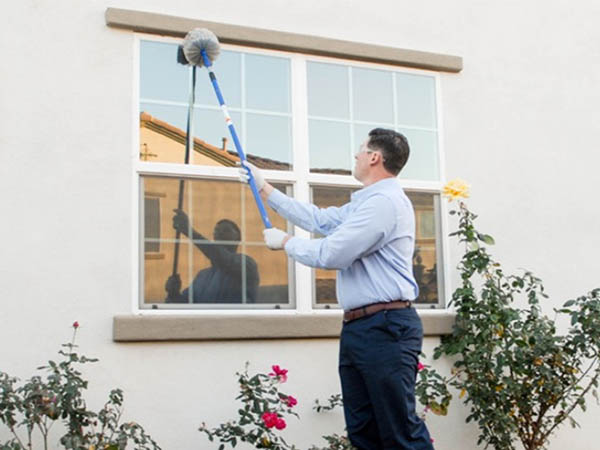
Pest control has been essential to human survival and agriculture since the earliest civilizations. From protecting food supplies to maintaining healthy living environments, the methods we use to manage pests have evolved dramatically. Today, pest control is no longer just about elimination—it’s about balance, sustainability, and long-term prevention.
Here’s an updated look at how pest control techniques have developed over time—and where the industry is heading.
Ancient Pest Control: Natural and Resourceful Beginnings
Early civilizations like the Sumerians, Egyptians, and Chinese relied on practical, nature-based solutions. The ancient Egyptians famously used cats to control rodents in grain storage areas, while Chinese farmers practiced crop rotation and companion planting to deter pests and improve soil health naturally.
Botanical remedies were also widely used. Natural substances like neem, pyrethrum, and tobacco extracts served as early insect repellents—many of which still influence eco-friendly pest control products today.
Medieval Advancements: Working With Nature
During the Middle Ages, pest control methods became more intentional and diversified. Farmers encouraged natural predators such as owls to manage rodent populations, recognizing the value of ecological balance.
Simple innovations like traps, barriers, and netting also emerged, helping protect crops and stored goods. These early systems laid the groundwork for physical pest control methods still used in residential and commercial settings.
Industrial Revolution: The Rise of Chemical Solutions
The Industrial Revolution introduced a major shift with the development of chemical pesticides. More potent synthetic compounds followed early compounds such as sulfur and arsenic in the 20th century.
While highly effective, chemicals such as DDT raised serious concerns about environmental damage, human health risks, and pesticide resistance. These challenges prompted a reevaluation of how pest control should be approached.
Modern Pest Control: Integrated Pest Management (IPM)
Today, the industry has moved toward smarter, safer strategies through Integrated Pest Management (IPM). This approach combines multiple techniques to reduce pest populations while minimizing environmental impact.
Key components of IPM include:
Technology Is Transforming Pest Control
Modern pest control is increasingly driven by innovation. New tools and technologies are making pest management more precise and efficient than ever:
The Future: Sustainable, Proactive, and Eco-Conscious
As environmental concerns and regulatory standards continue to evolve, the future of pest control will focus on sustainability and prevention. Expect to see:
The evolution of pest control reflects a shift from reactive solutions to proactive, sustainable strategies. By combining time-tested methods with modern technology, today’s pest management approaches are more effective—and responsible—than ever before.
Whether managing a home, business, or agricultural operation, adopting an Integrated Pest Management approach can help reduce risks, control costs, and support a healthier environment for the long term.
Here’s an updated look at how pest control techniques have developed over time—and where the industry is heading.
Ancient Pest Control: Natural and Resourceful Beginnings
Early civilizations like the Sumerians, Egyptians, and Chinese relied on practical, nature-based solutions. The ancient Egyptians famously used cats to control rodents in grain storage areas, while Chinese farmers practiced crop rotation and companion planting to deter pests and improve soil health naturally.
Botanical remedies were also widely used. Natural substances like neem, pyrethrum, and tobacco extracts served as early insect repellents—many of which still influence eco-friendly pest control products today.
Medieval Advancements: Working With Nature
During the Middle Ages, pest control methods became more intentional and diversified. Farmers encouraged natural predators such as owls to manage rodent populations, recognizing the value of ecological balance.
Simple innovations like traps, barriers, and netting also emerged, helping protect crops and stored goods. These early systems laid the groundwork for physical pest control methods still used in residential and commercial settings.
Industrial Revolution: The Rise of Chemical Solutions
The Industrial Revolution introduced a major shift with the development of chemical pesticides. More potent synthetic compounds followed early compounds such as sulfur and arsenic in the 20th century.
While highly effective, chemicals such as DDT raised serious concerns about environmental damage, human health risks, and pesticide resistance. These challenges prompted a reevaluation of how pest control should be approached.
Modern Pest Control: Integrated Pest Management (IPM)
Today, the industry has moved toward smarter, safer strategies through Integrated Pest Management (IPM). This approach combines multiple techniques to reduce pest populations while minimizing environmental impact.
Key components of IPM include:
- Prevention: Sealing entry points, improving sanitation, and reducing attractants
- Monitoring: Identifying pest activity early through inspections and data tracking
- Biological controls: Using natural predators like ladybugs or beneficial nematodes
- Targeted treatments: Applying low-toxicity or eco-friendly products only when necessary
Technology Is Transforming Pest Control
Modern pest control is increasingly driven by innovation. New tools and technologies are making pest management more precise and efficient than ever:
- Smart sensors and monitoring systems detect pest activity in real time
- Drone technology supports large-scale agricultural inspections
- Data analytics and AI help predict pest outbreaks and optimize treatment timing
- Eco-friendly products are becoming more effective and widely available
The Future: Sustainable, Proactive, and Eco-Conscious
As environmental concerns and regulatory standards continue to evolve, the future of pest control will focus on sustainability and prevention. Expect to see:
- Increased use of non-toxic and biodegradable treatments
- Greater integration of traditional ecological knowledge
- Continued innovation in biological and genetic pest control methods
- Stronger emphasis on education and long-term prevention strategies
The evolution of pest control reflects a shift from reactive solutions to proactive, sustainable strategies. By combining time-tested methods with modern technology, today’s pest management approaches are more effective—and responsible—than ever before.
Whether managing a home, business, or agricultural operation, adopting an Integrated Pest Management approach can help reduce risks, control costs, and support a healthier environment for the long term.