
FEATURE ARTICLE
7 Effective Ways to Improve Posture and Strengthen Postural Muscles
Apr 8, 2026
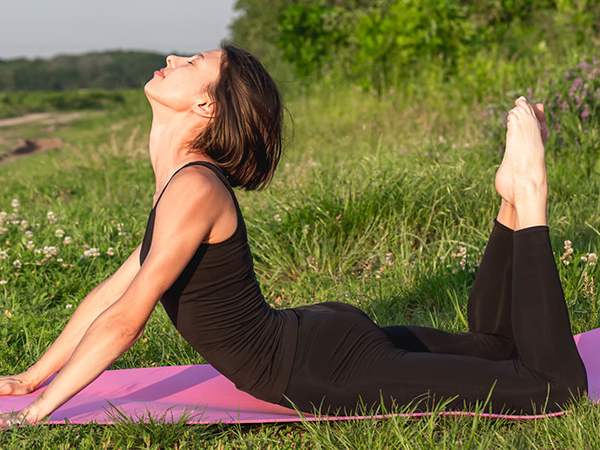
Good posture does more than enhance your appearance—it plays a vital role in overall health, helping prevent back pain, muscle strain, and long-term musculoskeletal issues. With today’s screen-heavy lifestyles and extended sitting, poor posture has become increasingly common. The good news? With a few targeted exercises and smart daily habits, you can improve your posture, reduce discomfort, and build lasting strength.
In this updated guide, we’ll explore practical, research-backed ways to strengthen postural muscles and support better alignment.
Why Posture Matters More Than Ever
Poor posture is often linked to prolonged sitting, mobile device use (“tech neck”), and inadequate movement throughout the day. Over time, this can lead to:
With consistency and mindful effort, better posture becomes second nature—helping you feel stronger, more confident, and more comfortable every day.
In this updated guide, we’ll explore practical, research-backed ways to strengthen postural muscles and support better alignment.
Why Posture Matters More Than Ever
Poor posture is often linked to prolonged sitting, mobile device use (“tech neck”), and inadequate movement throughout the day. Over time, this can lead to:
- Neck and back pain
- Reduced mobility and flexibility
- Decreased core strength
- Fatigue and poor circulation
-
Core Strengthening Exercises
Your core is the foundation of good posture. Strengthening these muscles helps stabilize your spine and maintain proper alignment.
Effective exercises include:- Plank holds for endurance
- Bird-dog for balance and coordination
- Russian twists and bicycle crunches for rotational strength
-
Yoga and Pilates for Alignment
Practices like Yoga and Pilates emphasize body awareness, flexibility, and alignment. They are especially effective for correcting posture over time.
Helpful movements include:- Cobra pose for spinal extension
- Bridge pose for glute and lower back strength
- Pilates swimming for back-body engagement
-
Resistance Training for Upper Body Strength
Strength training helps counteract slouching by building the muscles that support your shoulders and upper back.
Focus on exercises like:- Rows to strengthen the upper back
- Shoulder presses for stability
- Lateral raises to support shoulder alignment
-
Stretching to Relieve Tightness
Tight muscles—especially in the chest, shoulders, and hips—can pull your body out of alignment. Regular stretching helps restore balance.
Prioritize stretches for:- Chest and shoulders (to open up the front body)
- Hip flexors (to counter prolonged sitting)
- Hamstrings (to support pelvic alignment)
-
Posture-Correcting Tools (Use with Care)
Posture braces and wearable supports can provide short-term guidance by reminding you to sit or stand correctly. While helpful, they should be used alongside strengthening exercises—not as a replacement for them.
Look for options that encourage muscle engagement rather than passive support. -
Optimize Your Workspace Ergonomics
An ergonomic workspace is essential if you spend hours at a desk. Small adjustments can significantly reduce strain:- Keep your screen at eye level
- Use a chair with lumbar support
- Maintain feet flat on the floor
- Keep wrists neutral while typing
-
Practice Mindful Movement Daily
Awareness is one of the most powerful tools for improving posture. Regularly check in with your body throughout the day:- Are your shoulders relaxed?
- Is your spine neutral?
- Is your head aligned over your shoulders?
- Take movement breaks every 30–60 minutes
- Incorporate mobility exercises into your routine
- Stay active with walking or light stretching daily
- Focus on gradual progress rather than quick fixes
With consistency and mindful effort, better posture becomes second nature—helping you feel stronger, more confident, and more comfortable every day.