
FEATURE ARTICLE
How to Safely Unload a Firearm: Essential Steps Every Gun Owner Should Know
Apr 8, 2026
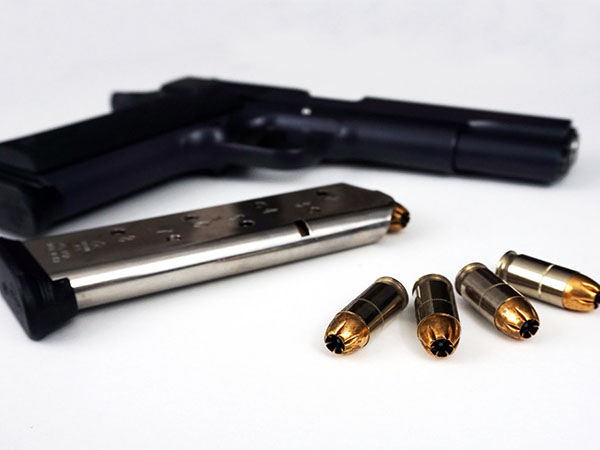
Safe firearm handling is a responsibility every gun owner must take seriously. Whether you’re new to firearms or have years of experience, properly unloading your firearm is a critical safety practice that helps prevent accidents and protects everyone around you.
This updated guide outlines clear, practical steps—along with modern best practices—to help you safely unload different types of firearms.
Start With the #1 Rule: Treat Every Firearm as Loaded
No matter the situation, always assume a firearm is loaded. This mindset reinforces caution and reduces the risk of negligent discharge.
Choose a Safe Environment
Before handling your firearm:
Keep Your Finger Off the Trigger
Always keep your finger outside the trigger guard and along the frame. Only place your finger on the trigger when you are ready to fire at a safe target.
Engage the Safety (If Applicable)
If your firearm has a manual safety, engage it before beginning the unloading process. While not a substitute for proper handling, it adds an extra layer of protection.
Remove the Magazine First (For Semi-Automatics)
For semi-automatic pistols and rifles:
Clear the Chamber
After removing the magazine:
Open the Action (For Revolvers and Shotguns)
For other firearm types:
Visually and Physically Inspect the Firearm
Never rely on a glance:
Separate Ammunition From the Firearm
Keep all ammunition in a different location while unloading and storing your firearm. This reduces the risk of accidental reloading.
Follow Safe Storage Practices
Modern firearm safety emphasizes secure storage:
Stay Compliant With Local Laws
Firearm laws vary by state and locality. Be sure you understand:
When in Doubt, Ask for Help
If you’re unsure about unloading a specific firearm:
Unloading a firearm safely is a fundamental skill that should never be rushed or overlooked. By following consistent, step-by-step procedures and maintaining a safety-first mindset, you significantly reduce the risk of accidents.
Responsible firearm ownership starts with knowledge, awareness, and discipline—every time you handle your firearm.
This updated guide outlines clear, practical steps—along with modern best practices—to help you safely unload different types of firearms.
Start With the #1 Rule: Treat Every Firearm as Loaded
No matter the situation, always assume a firearm is loaded. This mindset reinforces caution and reduces the risk of negligent discharge.
Choose a Safe Environment
Before handling your firearm:
- Point it in a safe direction (toward a backstop or ground)
- Ensure no people, pets, or valuables are in the line of fire
- Work in a well-lit, distraction-free area
Keep Your Finger Off the Trigger
Always keep your finger outside the trigger guard and along the frame. Only place your finger on the trigger when you are ready to fire at a safe target.
Engage the Safety (If Applicable)
If your firearm has a manual safety, engage it before beginning the unloading process. While not a substitute for proper handling, it adds an extra layer of protection.
Remove the Magazine First (For Semi-Automatics)
For semi-automatic pistols and rifles:
- Press the magazine release
- Remove and secure the magazine
- Set it aside, away from your workspace
Clear the Chamber
After removing the magazine:
- Rack the slide (pistol) or bolt (rifle) to eject any chambered round
- Lock the action open if possible
- Allow any round to eject safely
Open the Action (For Revolvers and Shotguns)
For other firearm types:
- Revolvers: Swing out the cylinder and remove all cartridges
- Shotguns (break-action): Open the action fully and remove shells
Visually and Physically Inspect the Firearm
Never rely on a glance:
- Look into the chamber or cylinder
- Use a finger or tool to confirm it is empty
- Double-check before proceeding
Separate Ammunition From the Firearm
Keep all ammunition in a different location while unloading and storing your firearm. This reduces the risk of accidental reloading.
Follow Safe Storage Practices
Modern firearm safety emphasizes secure storage:
- Use a locked safe or storage device
- Store firearms unloaded
- Consider trigger locks or cable locks
Stay Compliant With Local Laws
Firearm laws vary by state and locality. Be sure you understand:
- Transportation requirements
- Storage regulations
- Permit and licensing rules
When in Doubt, Ask for Help
If you’re unsure about unloading a specific firearm:
- Refer to the manufacturer’s manual
- Seek guidance from a certified firearms instructor
Unloading a firearm safely is a fundamental skill that should never be rushed or overlooked. By following consistent, step-by-step procedures and maintaining a safety-first mindset, you significantly reduce the risk of accidents.
Responsible firearm ownership starts with knowledge, awareness, and discipline—every time you handle your firearm.