
FEATURE ARTICLE
How to Stop Puppy Chewing: Smart, Effective Training Tips for New Dog Owners
Apr 8, 2026
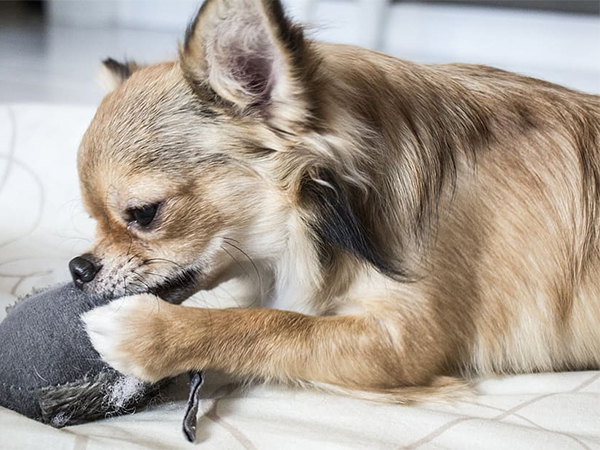
Bringing home a new puppy is exciting—but dealing with constant chewing can quickly become a challenge. Chewing is a completely normal behavior, especially during teething, but without guidance, it can lead to damaged furniture and shoes and to frustration.
The good news? With the right strategies, you can redirect your puppy’s chewing habits while building a positive, lasting bond.
Why Puppies Chew (and Why It’s Normal)
Puppies explore the world with their mouths, much like babies. Chewing helps:
Most puppies experience intense chewing between 3 and 6 months of age. During this time:
Managing puppy chewing is all about guidance, consistency, and understanding. By providing appropriate outlets, reinforcing good behavior, and creating a safe environment, you can turn a frustrating habit into a positive learning experience.
With patience and the right approach, your puppy will grow into a well-behaved companion—and your home will stay intact.
The good news? With the right strategies, you can redirect your puppy’s chewing habits while building a positive, lasting bond.
Why Puppies Chew (and Why It’s Normal)
Puppies explore the world with their mouths, much like babies. Chewing helps:
- Relieve teething discomfort
- Reduce boredom and anxiety
- Encourage natural curiosity and play
-
Provide Safe, Durable Chew Toys
Giving your puppy appropriate outlets is the first step. Choose:- Rubber and nylon chew toys
- Rope toys for supervised play
- Puzzle toys for mental stimulation
-
Rotate Toys to Keep Things Interesting
Puppies can lose interest quickly. Rotate toys every few days to keep them “new” and exciting. This simple trick reduces boredom and helps prevent your puppy from seeking out household items. -
Use Positive Reinforcement Training
Reward your puppy when they make the right choice. When they chew on a toy:- Offer praise immediately
- Give a small treat or extra attention
-
Puppy-Proof Your Home
Set your puppy up for success by limiting temptation:- Store shoes, cords, and valuables out of reach
- Use baby gates to restrict access to certain rooms
- Keep clutter to a minimum
-
Use Safe Taste Deterrents
Pet-safe bitter sprays can discourage chewing on furniture or baseboards. These products create an unpleasant taste without harming your puppy.
Tip: Always choose veterinarian-approved deterrents and test on small areas first. -
Prevent Boredom With Daily Exercise and Enrichment
Chewing often increases when puppies have excess energy. Build a routine that includes:- Daily walks and playtime
- Basic training sessions
- Interactive games and enrichment toys
-
Redirect—Don’t Punish
If you catch your puppy chewing something inappropriate:- Stay calm and avoid scolding
- Gently remove the item
- Replace it with an approved chew toy
-
Stay Consistent and Patient
Training takes time. Consistency from everyone in the household is essential. Mixed signals can confuse your puppy and slow progress.
Celebrate small wins and remember—this phase doesn’t last forever.
Most puppies experience intense chewing between 3 and 6 months of age. During this time:
- Offer extra chew options
- Try chilled (not frozen) toys to soothe gums
Managing puppy chewing is all about guidance, consistency, and understanding. By providing appropriate outlets, reinforcing good behavior, and creating a safe environment, you can turn a frustrating habit into a positive learning experience.
With patience and the right approach, your puppy will grow into a well-behaved companion—and your home will stay intact.