
FEATURE ARTICLE
The Complete Guide to Hair Texturizing: Techniques, Benefits, and When to Try It
Apr 8, 2026
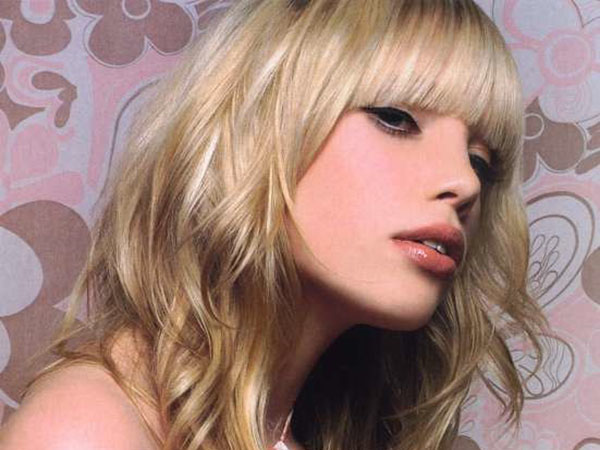
Hair is one of the most versatile aspects of personal style, offering endless ways to express your look and personality. One technique that continues to grow in popularity is hair texturizing—a smart, customizable approach to adding movement, volume, and dimension. Whether your hair is straight, wavy, or curly, modern texturizing methods can elevate your style while keeping your hair healthy and manageable.
In this updated guide, we’ll break down what hair texturizing is, explore today’s most effective techniques, and help you decide when it’s the right choice for your hair goals.
What Is Hair Texturizing?
Hair texturizing is a hairstyling technique that alters the structure of your hair to create volume, movement, or a more natural texture. Rather than leaving hair flat or uniform, texturizing introduces variation and dimension for a more dynamic, lived-in look.
Today’s approaches focus not only on appearance but also on hair health, using advanced cutting methods and gentler products that minimize damage while maximizing results.
Modern Methods of Hair Texturizing
By working with a skilled stylist and choosing the right method, you can achieve a look that feels effortless, modern, and uniquely yours.
In this updated guide, we’ll break down what hair texturizing is, explore today’s most effective techniques, and help you decide when it’s the right choice for your hair goals.
What Is Hair Texturizing?
Hair texturizing is a hairstyling technique that alters the structure of your hair to create volume, movement, or a more natural texture. Rather than leaving hair flat or uniform, texturizing introduces variation and dimension for a more dynamic, lived-in look.
Today’s approaches focus not only on appearance but also on hair health, using advanced cutting methods and gentler products that minimize damage while maximizing results.
Modern Methods of Hair Texturizing
-
Precision Hair Cutting Techniques
Cutting remains the most popular and low-maintenance way to add texture. Stylists now use refined techniques such as:- Point cutting for soft, blended ends
- Layering for volume and natural flow
- Slide cutting or razor cutting for a more effortless, lived-in finish
-
Chemical and Treatment-Based Texturizing
Chemical texturizing has evolved with safer, more conditioning formulas. Popular options include:- Modern perms for soft waves or defined curls (far more natural-looking than older versions)
- Relaxers and smoothing treatments to reduce curl intensity or frizz
- Keratin treatments to improve manageability and shine
-
Heat Styling for Temporary Texture
For flexibility without commitment, heat styling tools are ideal:- Curling irons and wands for waves or curls
- Flat irons for bends and texture flips
- Crimpers and wavers for bold, defined patterns
-
Styling Products and Texture Enhancers
An increasingly popular option is using lightweight products to enhance natural texture:- Sea salt sprays for a beachy finish
- Texturizing sprays and powders for lift and grip
- Curl creams and mousses for definition
-
If Your Hair Feels Flat or Lifeless
Fine or thin hair can benefit greatly from added dimension. Layering or volumizing products can create the appearance of fuller, thicker hair. -
If You Want Easier Styling and Manageability
Texturizing can reduce bulk, control frizz, and help your hair hold styles longer—saving time in your daily routine. -
If You’re Ready for a Style Refresh
Looking for a noticeable but manageable change? Texturizing offers a way to transform your look without drastically cutting length. -
If You Want to Enhance Your Natural Texture
There’s a strong shift toward embracing natural hair patterns. Texturizing techniques can define curls, boost waves, or add movement to straight hair without fighting your natural type. -
If You Want Longer-Lasting Styles
Well-executed texturizing helps hairstyles maintain their shape longer, reducing the need for frequent salon visits and daily restyling.
- Consult a professional stylist to match techniques with your hair type and lifestyle
- Invest in quality products tailored to your texture goals
- Avoid over-processing—less is often more when it comes to long-term hair health
- Maintain regular trims to keep textured styles looking fresh
By working with a skilled stylist and choosing the right method, you can achieve a look that feels effortless, modern, and uniquely yours.