
FEATURE ARTICLE
9 Effective Ways to Kill Germs at Home and Create a Healthier Living Space
Apr 8, 2026
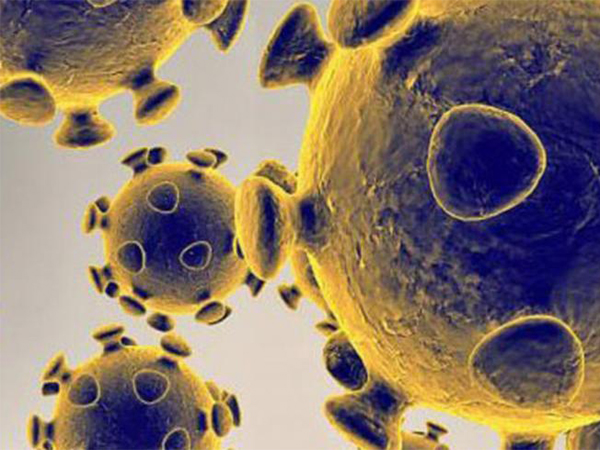
Maintaining a clean, germ-free home is essential for supporting overall health, reducing illness, and creating peace of mind—especially in today’s heightened awareness of hygiene. Germs and bacteria can linger on everyday surfaces, increasing the risk of infections if left unchecked.
The good news? With a few consistent habits and smart cleaning strategies, you can significantly reduce germs and maintain a safer, healthier home environment. Below are practical, up-to-date tips designed to fit seamlessly into your routine.
Small, daily actions add up to meaningful long-term health benefits. Start with a few of these strategies and build a routine that works for your lifestyle—your future self (and your family) will thank you.
The good news? With a few consistent habits and smart cleaning strategies, you can significantly reduce germs and maintain a safer, healthier home environment. Below are practical, up-to-date tips designed to fit seamlessly into your routine.
-
Prioritize Proper Handwashing
Handwashing remains the first and most effective line of defense against germs. Encourage everyone in your household to wash their hands with soap and water for at least 20 seconds—especially before meals, after using the restroom, and after returning home.
When soap and water aren’t available, use a hand sanitizer with at least 60% alcohol for effective germ control. -
Disinfect High-Touch Surfaces Daily
Frequently touched surfaces can harbor bacteria and viruses throughout the day. Focus on disinfecting:- Doorknobs and handles
- Light switches
- Remote controls
- Kitchen counters
- Mobile devices
-
Keep Bathrooms Clean and Sanitized
Bathrooms are prime breeding grounds for germs due to moisture and frequent use. Clean and disinfect:- Toilet seats and handles
- Faucets and sinks
- Shower and tub surfaces
-
Wash Bedding and Linens Weekly
Sheets, pillowcases, and towels can quickly accumulate bacteria, allergens, and sweat. Wash these items in hot water (at least 130°F when possible) once a week.
For households with pets or allergies, consider increasing washing frequency to maintain a cleaner sleeping environment. -
Follow Smart Food Safety Practices
Your kitchen is another hotspot for germs. Reduce the risk of foodborne illness by:- Washing hands before food prep
- Keeping raw and cooked foods separate
- Cooking foods to safe internal temperatures
- Cleaning cutting boards and utensils thoroughly
- Refrigerating leftovers within two hours
-
Improve Airflow and Ventilation
Good ventilation helps reduce airborne contaminants, including viruses and allergens. Open windows when possible, use exhaust fans in kitchens and bathrooms, and consider upgrading to HEPA air filters for improved indoor air quality.
Better airflow not only reduces germs but also supports overall comfort in your home. -
Use UV-C Light for Small Items
UV-C technology has gained popularity as an added layer of sanitation. These devices can help disinfect small, frequently handled items like phones, keys, and earbuds.
While effective, UV-C should be used as a supplement—not a replacement—for regular cleaning and disinfecting practices. -
Try Steam Cleaning for Deep Sanitization
Steam cleaning is an eco-friendly method that uses high temperatures to kill bacteria, viruses, and dust mites—without harsh chemicals. It’s especially useful for:- Carpets and rugs
- Upholstery
- Tile and grout
-
Maintain Balanced Indoor Humidity
Humidity levels play a key role in germ control. Aim to keep indoor humidity between 30% and 50%.
High humidity can encourage mold and bacterial growth Low humidity can allow viruses to linger longer in the air
Use a humidifier or dehumidifier as needed to maintain a balanced environment.
Small, daily actions add up to meaningful long-term health benefits. Start with a few of these strategies and build a routine that works for your lifestyle—your future self (and your family) will thank you.