
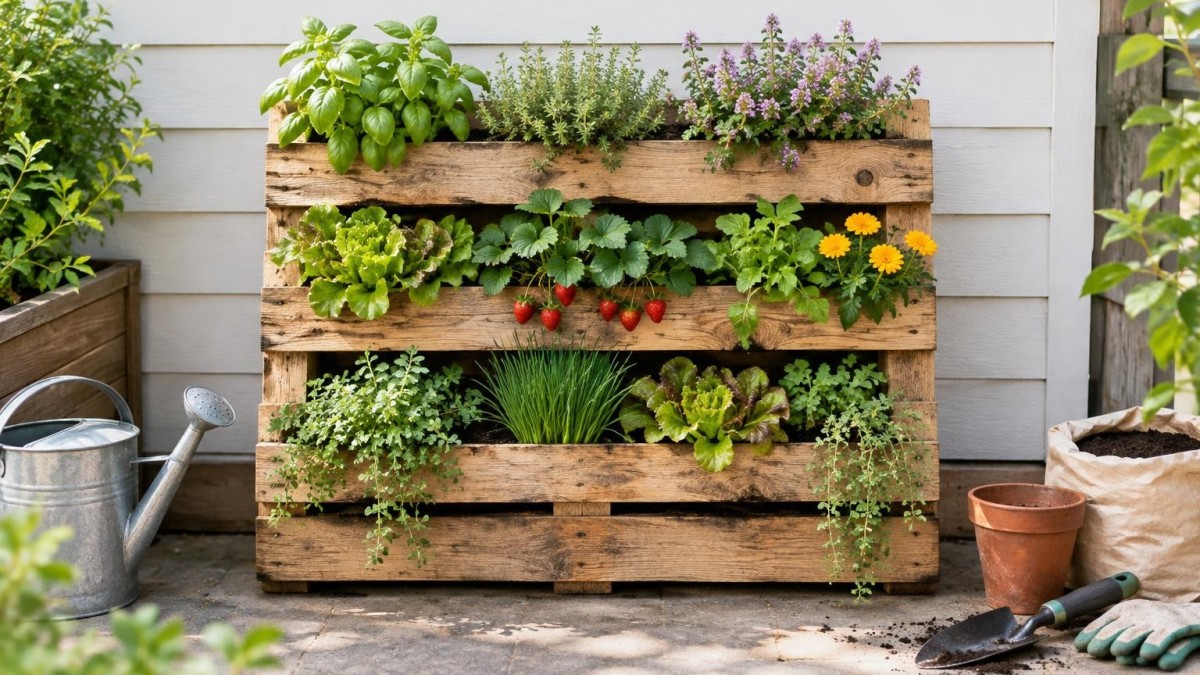
Making the Most of Small Spaces with Pallet Gardens
Not everyone has room for a conventional garden, but that doesn’t mean you have to give up growing your own plants. Wood pallet gardens are an innovative, budget-friendly way to cultivate herbs, flowers, and small vegetables even in tight spaces like balconies, patios, or small yards. This approach is particularly appealing for urban dwellers and renters who want a flexible and eco-conscious gardening solution.
Gathering Your Materials
Before starting, you’ll need to collect some basic supplies: a heat-treated wooden pallet that’s sturdy and free of damage, landscape fabric or a weed barrier, a staple gun with staples, good-quality potting soil or container mix, plants or seeds suited for your available sunlight, and standard gardening tools with gloves. Optional extras include outdoor-safe paint or stain if you want to protect and personalize your pallet.
Make sure the pallet is marked "HT" for heat-treated, which ensures it’s safe for gardening by avoiding harmful chemicals that some wood pallets might contain.
Step-by-Step Guide to Building Your Pallet Garden
Start by inspecting your pallet. If you choose, apply a non-toxic weather-resistant finish to help it last longer, especially in climates with fluctuating weather. Next, lay the pallet flat and use the staple gun to attach landscape fabric to the back and sides. This fabric keeps soil from falling out while allowing for good drainage.
Fill the pallet with potting soil, pressing it gently to remove air pockets without compacting the soil too much. Leave a small gap at the top for easier planting and watering.
Select plants that do well in confined spaces such as herbs (basil, thyme), leafy greens, strawberries, or small flowers. Insert them carefully into the fabric openings, ensuring their roots are covered and supported properly.
Water the planted pallet thoroughly and let it lie flat for a week or two. This period helps plants establish strong roots before you decide to stand the pallet vertically or keep it horizontal.
Choosing Between Vertical and Horizontal Layouts
Vertical pallet gardens save floor space and create an appealing green wall on fences or exterior walls. Just be sure the pallet is securely mounted to prevent tipping. Horizontal setups take up more ground space but allow easier access for watering and harvesting. Both layouts have their merits depending on your space and preferences.
Keeping Your Pallet Garden Healthy
Because pallets hold limited soil, they can dry out faster than traditional beds—especially on sunny days. Check moisture levels frequently and water as needed. Using slow-release fertilizers or organic plant food can promote steady, healthy growth. Regular pruning prevents overcrowding and encourages air circulation.
Don’t forget to occasionally rotate or reposition your pallet garden if sunlight exposure changes, helping plants grow evenly.
A wood pallet garden offers an accessible, sustainable way to enjoy gardening with minimal space and materials. Whether you’re bringing fresh herbs to your kitchen or adding beauty to your outdoor area, it’s a rewarding and practical project that can flourish season after season with proper care.
Newsletter Station provides professionally written, ready-to-send newsletters customized for your market and brand.
EXPLORE NEWSLETTER OPTIONS