
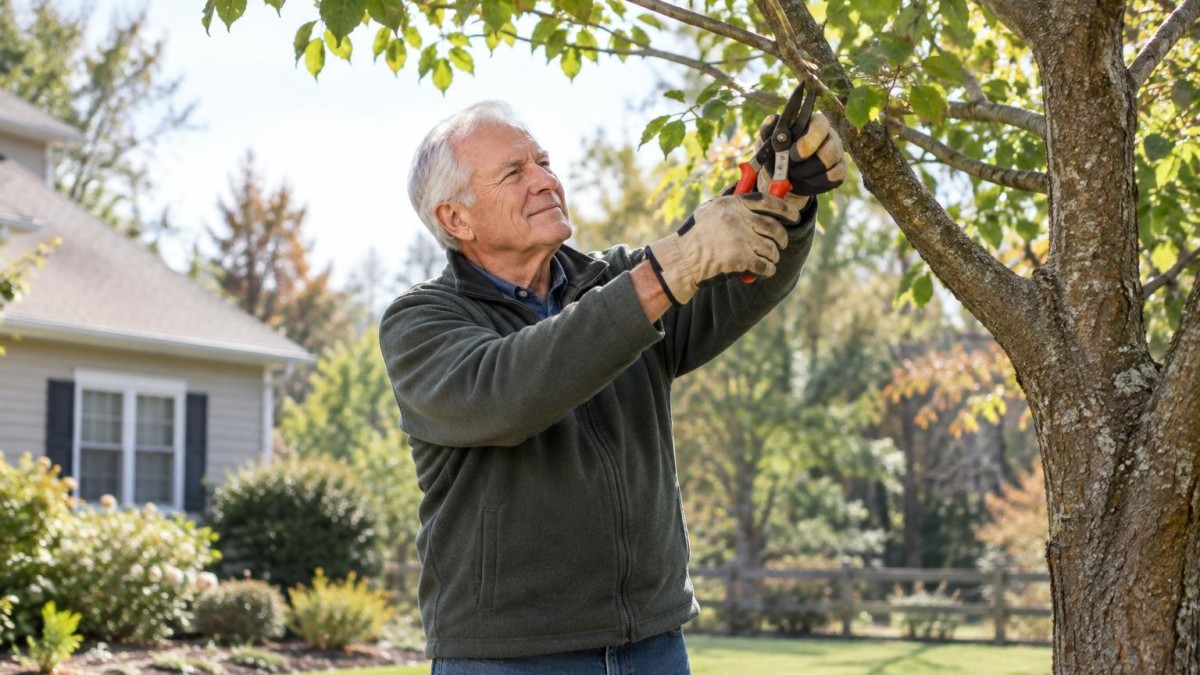
Why Pruning Is Essential for Your Trees
Trees are a cornerstone of any landscape, providing shade, beauty, and environmental benefits. Yet, their well-being depends largely on proper care. Among maintenance tasks, pruning stands out as a vital practice that does far more than improve appearance. Effective pruning supports tree health, safety, and long-term growth, making it an indispensable part of tree care.
Promoting Health and Strength Through Pruning
Pruning involves selectively removing branches or buds to enhance a tree's structure and vitality. By cutting away dead, damaged, or crowded limbs, trees can focus their energy on developing strong, healthy branches and a balanced canopy. This structure helps them withstand storms, heavy snow, or high winds, reducing the risk of breakage that could damage property.
Proper pruning also reduces the chances of disease and pest infestation. Removing unhealthy branches eliminates spots where issues often begin. Thinning the canopy increases sunlight and airflow, which discourages fungi, mold, and insects, contributing to a healthier tree over time.
Keeping Your Property Safe and Attractive
Overgrown or weak branches can be hazards, threatening homes, vehicles, and pedestrians. Regular pruning helps remove these risks before they grow into expensive problems. Clearing branches away from roofs, power lines, and walkways not only protects your property and people but also lowers liability concerns.
For fruit trees, pruning is particularly important to boost yield and fruit quality. Thinning excess growth lets sunlight reach fruit-bearing branches and improves air circulation, resulting in larger, healthier fruit that's easier to harvest.
Beyond health and safety, well-pruned trees enhance your landscape's appearance. Neatly shaped trees add curb appeal, which can improve first impressions and property value—a clear advantage for small businesses and homeowners alike.
Pruning Tips for Best Results
Timing matters: most trees respond best to pruning during their dormant season, usually late fall to early spring, when stress is minimized. However, light trimming can be done year-round if needed.
Use clean, sharp tools to make precise cuts just outside the branch collar, encouraging natural healing and avoiding decay. Approach pruning thoughtfully—prioritize removing dead or crossing branches instead of over-thinning healthy growth. Try not to remove more than 20–25% of a tree’s canopy in one session to prevent stress.
For larger trees or complicated jobs, consulting a certified arborist is wise. Professionals have the expertise to prune safely and effectively, protecting both your trees and property.
In short, consistent and careful pruning not only promotes healthier, safer trees but also enhances the overall value and beauty of your landscape. With the right care, your trees—and your investment—will thrive for years to come.
Newsletter Station provides professionally written, ready-to-send newsletters customized for your market and brand.
EXPLORE NEWSLETTER OPTIONS