
FEATURE ARTICLE
Is Your Skincare Causing an Allergic Reaction? Signs, Causes, and What to Do
Apr 1, 2026
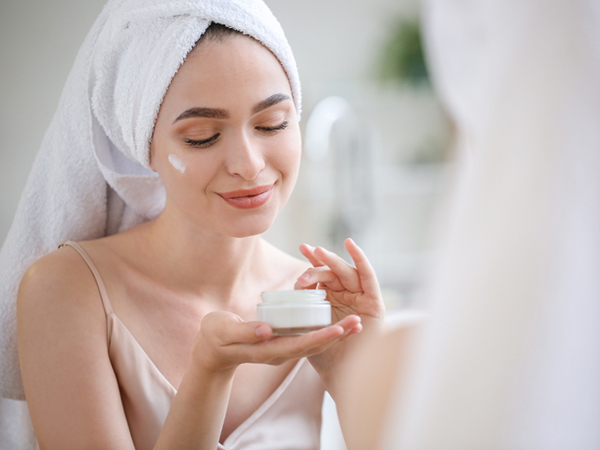
A consistent skincare routine is key to maintaining healthy, glowing skin—but sometimes, the very products meant to help can trigger irritation or allergic reactions. With the rise of active ingredients and multi-step routines, it’s more important than ever to recognize when your skin is reacting negatively.
In this guide, we’ll walk through the common signs of a skincare allergy, what may be causing it, and how to respond safely and effectively.
Skincare Allergy vs. Irritation: What’s the Difference?
Before diving into symptoms, it’s helpful to understand the distinction:
Common Signs of a Skincare Allergy
Modern formulations can include a wide range of ingredients. Some of the most common triggers include:
What to Do If You Suspect an Allergic Reaction
By choosing products thoughtfully, introducing them gradually, and listening to your skin, you can build a routine that works for you—not against you.
In this guide, we’ll walk through the common signs of a skincare allergy, what may be causing it, and how to respond safely and effectively.
Skincare Allergy vs. Irritation: What’s the Difference?
Before diving into symptoms, it’s helpful to understand the distinction:
- Allergic reactions involve the immune system and may worsen with repeated exposure
- Irritation is more immediate and often caused by harsh ingredients or overuse
Common Signs of a Skincare Allergy
-
Redness, Burning, or Stinging
If your skin becomes red, itchy, or develops a burning sensation after applying a product, it’s often one of the first warning signs. This can happen quickly or build over several uses. -
Rash or Hives
Raised, itchy bumps or blotchy patches may indicate an allergic response. These symptoms can appear within hours—or even days—after using a new product. -
Swelling (Especially Around Eyes or Lips)
Facial swelling, also known as angioedema, can signal a more serious reaction. If swelling occurs, stop using the product immediately and seek medical advice. -
Excessive Dryness or Peeling
If your skin becomes unusually dry, flaky, or tight after introducing a product, it may be disrupting your skin barrier—especially with strong actives like retinoids or exfoliating acids. -
Blistering or Severe Peeling
More intense reactions, such as blistering or skin peeling, require prompt medical attention. These symptoms should never be ignored. -
Acne-Like Breakouts
Some products can trigger breakouts known as acne cosmetica. These typically appear as small, uniform bumps and may result from pore-clogging ingredients or sensitivity. -
Persistent or Worsening Symptoms
If symptoms continue even after stopping a product, it’s time to consult a dermatologist. Ongoing reactions may require targeted treatment or allergy testing.
Modern formulations can include a wide range of ingredients. Some of the most common triggers include:
- Fragrances (natural or synthetic)
- Preservatives like parabens or formaldehyde-releasers
- Essential oils
- Alcohol-based formulas
- Active ingredients like AHAs, BHAs, or retinoids (when overused)
What to Do If You Suspect an Allergic Reaction
-
Stop Using the Product Immediately
Discontinue any new or suspected products to prevent further irritation. -
Simplify Your Routine
Switch to a gentle, fragrance-free cleanser and moisturizer to allow your skin barrier to recover. -
Avoid Mixing Actives
Layering multiple active ingredients can increase sensitivity. Stick to a minimal routine until your skin calms down. -
Use Soothing Ingredients
Look for products with calming ingredients like aloe vera, ceramides, or colloidal oatmeal to support healing. -
Consult a Professional
If symptoms are severe or persistent, a dermatologist can help identify the cause and recommend appropriate treatment, including patch testing.
- Patch-test new products on a small area before full use
- Introduce one product at a time to identify potential triggers
- Read ingredient labels carefully, especially if you have sensitive skin
- Avoid over-exfoliating, which can weaken your skin barrier
- Choose products suited to your skin type
By choosing products thoughtfully, introducing them gradually, and listening to your skin, you can build a routine that works for you—not against you.