
Why Choose Local Ingredients?
Eating locally grown foods means enjoying produce that is often harvested at its peak ripeness, giving you better taste and more nutrients. Local foods don’t have to travel far, which cuts down on environmental harm and helps support farmers and producers in your community.
For small restaurants and food businesses, using local ingredients can boost your reputation among customers who value sustainability and authenticity. It also strengthens your place within the local economy and community.
Ways to Include Local Foods in Your Meals
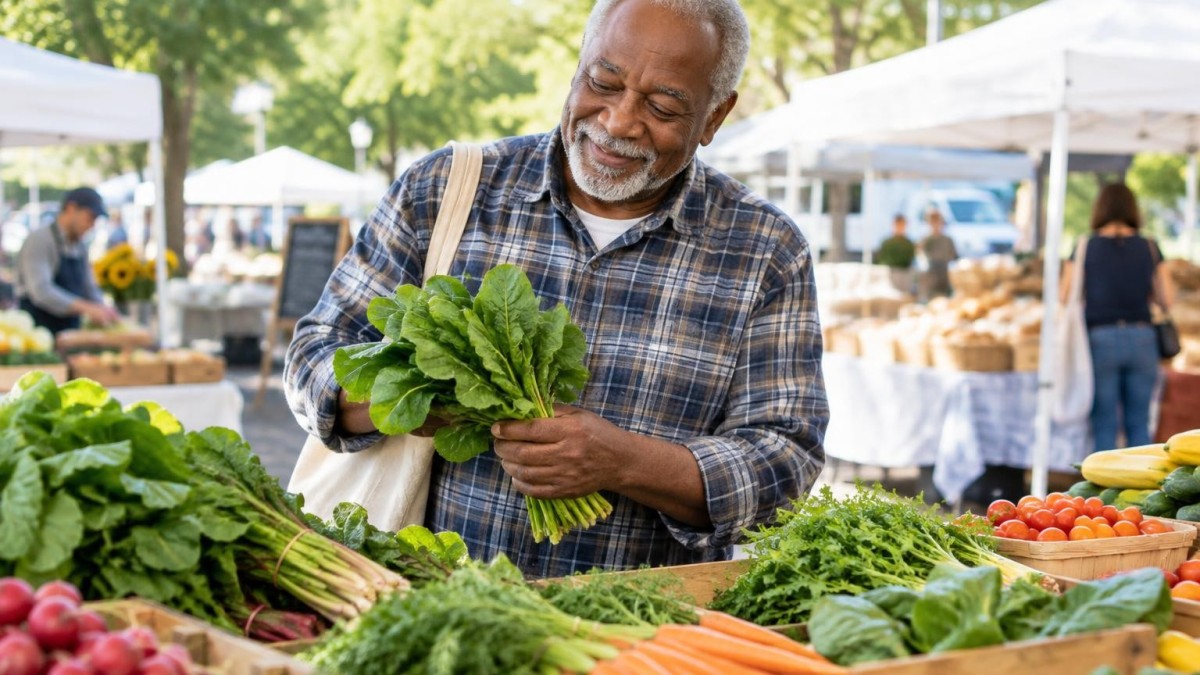
Farmers markets and farm stands are fantastic spots to find fresh, seasonal fruits and vegetables, as well as homemade cheeses, baked goods, and specialty items. Chatting with vendors can give you valuable tips on what’s in season and how to best use the produce in your kitchen.
Another convenient option is joining a Community Supported Agriculture (CSA) program, where you receive regular boxes of local, seasonal produce. Many CSAs allow you to customize your box and add other goods like eggs or meat.
If you have space—or even just a sunny windowsill—consider growing your own herbs or small vegetables. This not only saves on grocery bills but also gives you access to ultra-fresh ingredients whenever you need them.
Once you have local produce, learning to preserve it through freezing, pickling, fermenting, or canning can help you enjoy those flavors year-round and reduce food waste.
Exploring native and regional foods can also introduce your meals to unique flavors while honoring local heritage and biodiversity. Look for heritage grains, native fruits, and traditional recipes that connect your food to the history of your area.
Build Connections and Adapt Your Cooking
Getting to know your local farmers, fishers, and artisans can lead to better quality ingredients and more transparency about how your food is produced. For small businesses, these relationships can open doors to exclusive products and storytelling opportunities on your menu.
Flexibility in cooking according to seasonal availability keeps your offerings fresh, flavorful, and cost-effective. Planning meals around what’s in season simplifies shopping and naturally adds variety to your diet throughout the year.
Lastly, share your love of local food by hosting events, sharing recipes, or supporting local food festivals and farm-to-table experiences. Doing so builds community and helps maintain vibrant, sustainable food systems.
Incorporating local ingredients into your daily meals not only tastes better but also benefits your health, your community, and the environment. With a little effort and an open mind, you can turn every meal into a celebration of your region’s unique bounty.
Newsletter Station provides professionally written, ready-to-send newsletters customized for your market and brand.
EXPLORE NEWSLETTER OPTIONS