
FEATURE ARTICLE
How to Choose the Perfect Paint Color for Your Home
Apr 1, 2026
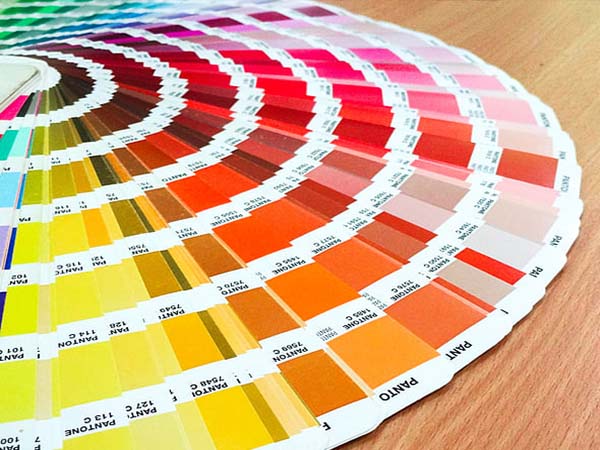
Choosing the right paint color can feel overwhelming given the vast array of options available. However, selecting a color that complements your style, enhances your space, and creates a welcoming atmosphere doesn’t have to be stressful.
By considering key factors like lighting, mood, furnishings, and color flow, you can make an informed decision that elevates your home’s aesthetic. This updated guide includes modern insights and practical tips to help you confidently choose paint colors that suit your space, lifestyle, and long-term design goals.
With thoughtful planning, you can transform your home into a stylish, cohesive, and inviting environment that feels uniquely yours.
By considering key factors like lighting, mood, furnishings, and color flow, you can make an informed decision that elevates your home’s aesthetic. This updated guide includes modern insights and practical tips to help you confidently choose paint colors that suit your space, lifestyle, and long-term design goals.
-
Consider Your Home’s Architecture and Lighting
Before browsing paint swatches, take note of your home’s architectural style and the lighting in each room. Natural light, window placement, and artificial lighting can significantly affect how colors appear. Lighter shades can make small, darker rooms feel more spacious, while abundant natural light allows for bolder, deeper hues. Modern lighting options, such as LED fixtures or warm-toned bulbs, can also alter the perception of color, so always evaluate paint in the actual environment before committing. -
Determine the Mood You Want to Create
Paint colors influence a room's ambiance. Consider the mood you want to evoke:- Soft pastels (pale blues, soft greens) create calming, serene spaces, perfect for bedrooms or bathrooms.
- Warm, earthy tones (beige, terracotta, soft yellows) foster coziness in living rooms or dining areas.
- Bold, vibrant colors (reds, oranges, deep blues) add energy and drama, ideal for accent walls or creative workspaces.
-
Coordinate with Existing Furnishings
Your wall color should complement your furniture, décor, and fixtures. Neutral walls work well with colorful or patterned furnishings, while bold wall colors can enhance a predominantly neutral space. Considering existing textures and tones ensures your color choice ties the room together, avoiding clashes and creating a harmonious look throughout your home. -
Test Paint Samples
Never rely solely on swatches or digital images. Paint can appear differently depending on lighting, wall texture, and surrounding décor. Apply small samples of your top colors to a wall section and observe them in both natural and artificial light throughout the day. This simple step can prevent costly mistakes and give you confidence in your final selection. -
Consider the Flow of Your Home
Think about how colors transition from one room to another. Cohesive color flow—through complementary or analogous schemes—creates a harmonious, visually appealing home. While each room can have its own personality, maintaining a sense of connection ensures your home feels balanced and intentional. -
Be Mindful of Trends
Trendy colors may feel exciting, but can quickly become dated. If you plan to stay long-term, prioritize timeless hues that reflect your personal style. For homeowners considering resale, neutral palettes appeal to a broader audience and enhance your home’s marketability.
With thoughtful planning, you can transform your home into a stylish, cohesive, and inviting environment that feels uniquely yours.