
FEATURE ARTICLE
Is Your Cat Shedding Too Much? Signs, Causes, and When to See a Vet
Mar 25, 2026
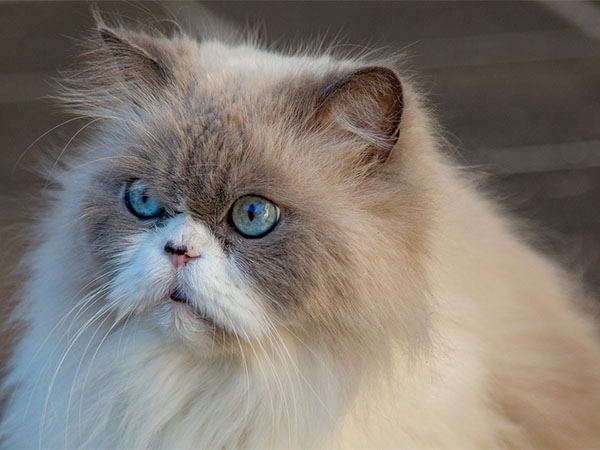
Cats are well known for their cleanliness and dedicated grooming habits. Shedding is a natural and healthy process that helps remove old or damaged fur. However, when shedding becomes excessive, it may signal an underlying health or environmental issue that needs attention.
As a responsible cat owner, recognizing the difference between normal and abnormal shedding is key to maintaining your pet’s comfort and overall well-being. In this guide, we’ll explore common warning signs, possible causes, and when it’s time to consult your veterinarian.
Beyond the visible symptoms, several underlying factors may contribute to excessive shedding:
How to Reduce and Prevent Excessive Shedding
Taking a proactive approach can help manage your cat’s shedding and improve coat health:
When to See a Veterinarian
While some shedding is normal, you should seek veterinary care if you notice:
Shedding is a natural part of your cat’s life, but excessive shedding should never be ignored. By recognizing early warning signs, understanding potential causes, and taking preventive measures, you can protect your cat’s health and keep their coat in top condition.
A little attention goes a long way in ensuring your feline companion stays comfortable, healthy, and happy for years to come.
As a responsible cat owner, recognizing the difference between normal and abnormal shedding is key to maintaining your pet’s comfort and overall well-being. In this guide, we’ll explore common warning signs, possible causes, and when it’s time to consult your veterinarian.
-
Patches of Fur Missing
One of the most noticeable signs of excessive shedding is the appearance of bald spots or thinning areas in your cat’s coat. While seasonal shedding—especially in spring and fall—is normal, persistent or irregular hair loss is not.
Bald patches may indicate:- Allergies (food or environmental)
- Hormonal imbalances
- Parasites like fleas or mites
- Skin infections
-
Excessive Hairballs
Hairballs are a common part of feline life due to regular grooming. However, a sudden increase in frequency or size can be a red flag.
When cats shed more, they ingest more loose fur, which can lead to:- Frequent vomiting of hairballs
- Digestive discomfort
- Potential intestinal blockages in severe cases
-
Signs of Irritation or Itchiness
Excessive shedding is often linked to skin irritation. Watch for behaviors such as:- Constant scratching
- Biting or chewing at the skin
- Over-grooming specific areas
-
Changes in Eating and Drinking Habits
A cat experiencing discomfort from excessive shedding or skin issues may also show changes in appetite or hydration.
Warning signs include:- Eating less than usual
- Avoiding water
- Weight loss or lethargy
-
Behavioral Changes
Your cat’s behavior can offer important clues about their health. Excessive shedding may be accompanied by:- Increased agitation or restlessness
- Hiding or reduced interaction
- Excessive grooming or vocalization
Beyond the visible symptoms, several underlying factors may contribute to excessive shedding:
- Poor nutrition: Diets lacking essential fatty acids can lead to dry skin and increased hair loss.
- Stress or environmental changes: Moving, new pets, or routine disruptions can trigger shedding.
- Parasites: Fleas and mites are common culprits behind irritation and fur loss.
- Medical conditions: Thyroid issues or skin disorders may also play a role.
How to Reduce and Prevent Excessive Shedding
Taking a proactive approach can help manage your cat’s shedding and improve coat health:
- Regular brushing: Helps remove loose fur and reduce hairballs.
- High-quality diet: Look for foods rich in omega-3 and omega-6 fatty acids.
- Routine vet check-ups: Early detection of health issues is key.
- Flea prevention: Use veterinarian-recommended treatments year-round.
- Stress reduction: Maintain a stable environment and consistent routine.
When to See a Veterinarian
While some shedding is normal, you should seek veterinary care if you notice:
- Persistent bald patches
- Increased hairballs
- Signs of itching or skin irritation
- Changes in appetite or behavior
- Sudden or severe hair loss
Shedding is a natural part of your cat’s life, but excessive shedding should never be ignored. By recognizing early warning signs, understanding potential causes, and taking preventive measures, you can protect your cat’s health and keep their coat in top condition.
A little attention goes a long way in ensuring your feline companion stays comfortable, healthy, and happy for years to come.