
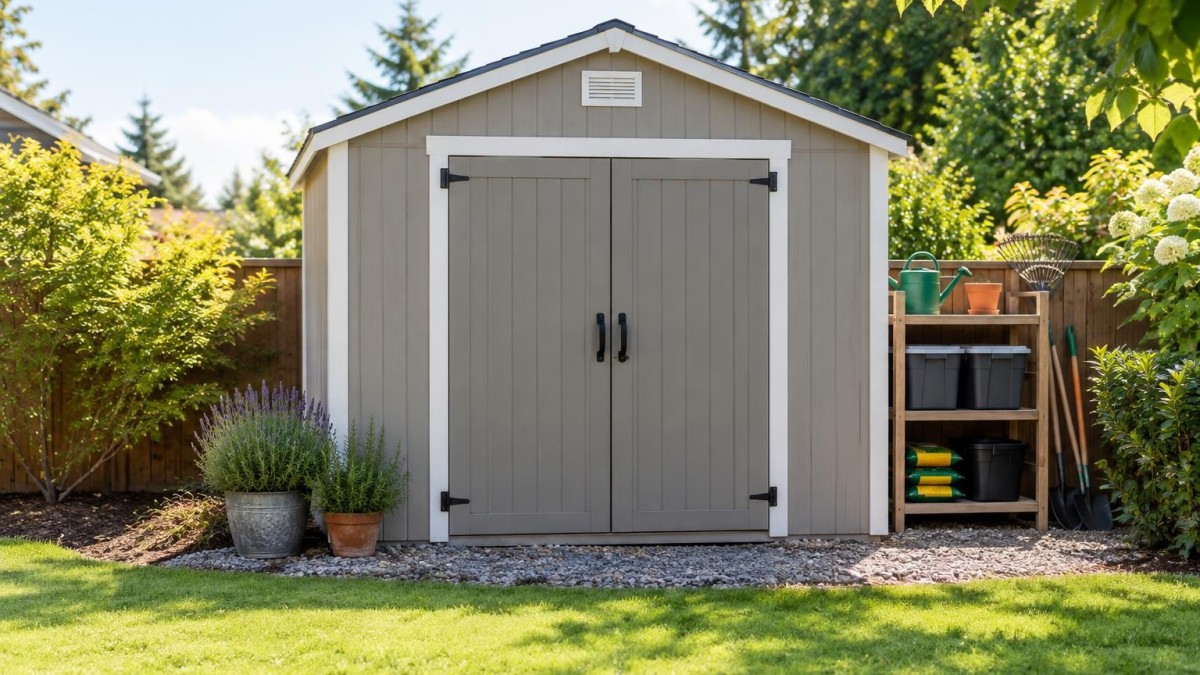
Seal Up Every Possible Entrance
Pests are masters at fitting through tiny spaces. Start by thoroughly inspecting your shed for any cracks, gaps, or holes where rodents or insects might sneak in. Use caulk or foam insulation to close small cracks and cover bigger openings with wire mesh or hardware cloth. Pay special attention to areas around windows, vents, and utility lines to ensure no entry points are overlooked.
Keep Doors Secure and Tight
The space beneath your shed door is often an open invitation to pests. Installing a durable door sweep made of rubber or heavy-duty bristles helps create a snug seal when the door closes. Check your sweeps regularly and replace them if they become worn to maintain this important barrier against unwanted visitors.
Organize Storage and Elevate Items
Cluttered and crowded spaces offer perfect hideouts for critters. Use shelves, racks, or pallets to keep your tools and supplies off the floor and away from walls. Replacing cardboard boxes with sealed plastic containers also protects your belongings from infestation and moisture. This setup improves airflow and reduces places pests can nest.
Clean Regularly and Manage Moisture
Cleanliness is key to discouraging pests. Sweep the floor often, clear away leaves and debris around your shed, and store trash securely away from the structure. Since moisture attracts insects and can cause mold, make sure your shed is well ventilated and fix any leaks promptly. In humid conditions, consider using a dehumidifier or moisture absorbers to keep things dry.
Use Natural Repellents and Modern Tools
Complement your pest-proofing efforts with natural deterrents like planting mint, lavender, or rosemary nearby, or spraying essential oils such as peppermint or eucalyptus inside the shed. For persistent problems, strategically placed traps or ultrasonic repellents can offer added protection. Combining methods creates a stronger defense.
Inspect and Maintain Your Shed
Regular inspections are vital. Look out for droppings, nests, chew marks, or signs of new damage. Check stored items for contamination, especially during seasons when pests are most active. Early detection makes addressing problems easier and less costly.
Manage the Area Around Your Shed
Keep the surroundings neat by trimming back plants and shrubs, avoiding storage of firewood or compost close to the shed, and not keeping pet food or bird seed nearby. These simple steps reduce the chances of pests being attracted close to your shed in the first place.
By combining these practical tips—sealing entry points, organizing storage, keeping the area clean and dry, and staying vigilant—you can protect your shed and everything inside it from pests. A pest-proof shed saves you time, money, and frustration, ensuring your storage space remains safe and reliable for years to come.
Newsletter Station provides professionally written, ready-to-send newsletters customized for your market and brand.
EXPLORE NEWSLETTER OPTIONS