
FEATURE ARTICLE
What to Do If Your Car Engine Overheats: A Practical Safety Guide
Mar 25, 2026
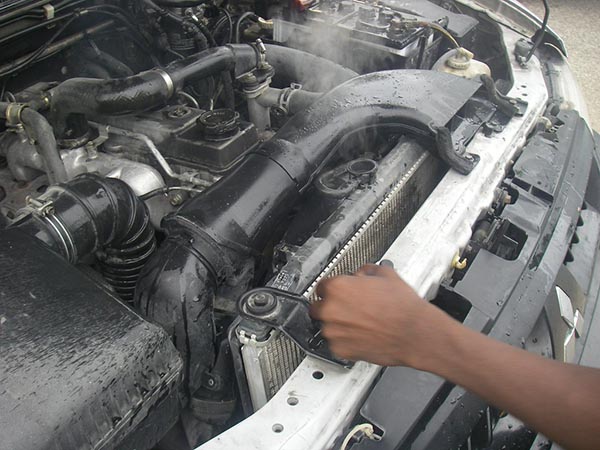
Experiencing an overheating engine can be stressful—especially when you’re on the road. Knowing how to respond quickly can help you avoid costly damage and keep you safe. In this updated guide, we’ll walk through the warning signs, immediate actions, and preventive tips to reduce the risk of future overheating.
Recognize the Warning Signs Early
Catching the problem early can make a big difference. Common signs of an overheating engine include:
Pull Over Safely and Turn Off the Engine
As soon as it’s safe, pull over to a secure location away from traffic. Turn off the engine right away to prevent further heat buildup.
Pro tip: If you’re stuck in traffic and can’t pull over immediately, turn off the air conditioning and turn the heater on full blast. This helps temporarily draw heat away from the engine.
Allow the Engine to Cool Completely
Patience is key here. Wait at least 15–30 minutes for the engine to cool before opening the hood. Opening it too soon can expose you to hot steam or pressurized fluids.
Check Coolant Levels (Carefully)
Once the engine has cooled:
Inspect for Leaks or Visible Damage
Take a quick look under the hood and beneath the vehicle:
Evaluate Key Components
Several parts can contribute to overheating. If you’re comfortable, check:
Know When to Call a Professional
If the issue isn’t obvious or persists after adding coolant, it’s time to contact a mechanic or roadside assistance. Driving with an overheating engine can lead to severe damage, such as a blown head gasket or warped engine components—repairs that can cost thousands.
Prevent Future Overheating
Routine maintenance is your best defense. Here’s how to stay ahead of problems:
Recognize the Warning Signs Early
Catching the problem early can make a big difference. Common signs of an overheating engine include:
- A rapidly rising temperature gauge or dashboard warning light
- Steam or smoke coming from under the hood
- A sweet or burning smell (often from coolant)
- Reduced engine performance or unusual noises
Pull Over Safely and Turn Off the Engine
As soon as it’s safe, pull over to a secure location away from traffic. Turn off the engine right away to prevent further heat buildup.
Pro tip: If you’re stuck in traffic and can’t pull over immediately, turn off the air conditioning and turn the heater on full blast. This helps temporarily draw heat away from the engine.
Allow the Engine to Cool Completely
Patience is key here. Wait at least 15–30 minutes for the engine to cool before opening the hood. Opening it too soon can expose you to hot steam or pressurized fluids.
Check Coolant Levels (Carefully)
Once the engine has cooled:
- Locate the coolant reservoir (do not open the radiator cap while hot)
- Check if the coolant level is below the recommended mark
- Add the correct coolant type if needed (refer to your owner’s manual)
Inspect for Leaks or Visible Damage
Take a quick look under the hood and beneath the vehicle:
- Check hoses, clamps, and the radiator for leaks or cracks
- Look for puddles or dripping coolant
- Inspect belts for wear or looseness
Evaluate Key Components
Several parts can contribute to overheating. If you’re comfortable, check:
- Radiator fan: Should turn on when the engine is hot
- Thermostat: Regulates coolant flow (failure can cause overheating)
- Water pump: Circulates coolant through the engine
Know When to Call a Professional
If the issue isn’t obvious or persists after adding coolant, it’s time to contact a mechanic or roadside assistance. Driving with an overheating engine can lead to severe damage, such as a blown head gasket or warped engine components—repairs that can cost thousands.
Prevent Future Overheating
Routine maintenance is your best defense. Here’s how to stay ahead of problems:
- Check coolant levels regularly
- Flush and replace coolant based on your vehicle’s service schedule
- Inspect hoses and belts for wear
- Ensure your radiator and cooling system are clean and functioning properly
- Watch for dashboard warnings and address them promptly