
FEATURE ARTICLE
How Pruning Affects Tree Growth and Structure: A Practical Guide for Healthier Trees
Mar 25, 2026
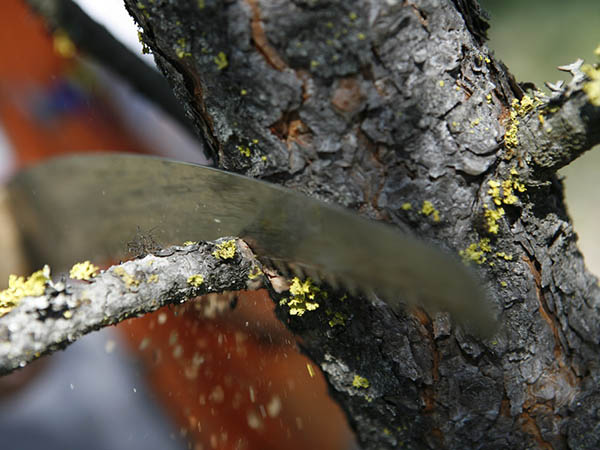
Trees are more than just part of the landscape—they’re living assets that require proper care to stay healthy, safe, and visually appealing. One of the most important (and often misunderstood) aspects of tree care is pruning. When done correctly, pruning supports strong growth, improves structure, and extends the life of your trees.
In this updated guide, we’ll break down how pruning impacts tree growth and structure, along with best practices to help you get the most from your landscape investment.
What Is Tree Pruning—and Why It Matters
Pruning is the selective removal of branches to improve a tree’s health, safety, and appearance. It’s not just about aesthetics—modern arboriculture emphasizes strategic pruning to promote long-term structural integrity and resilience.
Key goals of pruning include:
Timing matters. While light pruning can be done year-round, most major pruning should occur during the dormant season (late fall through early spring).
Benefits of dormant pruning include:
Risks of Improper Pruning
Incorrect pruning techniques can do more harm than good. Common mistakes include:
Best Practices for Long-Term Tree Health
To ensure your trees thrive:
Pruning is more than routine maintenance—it’s a strategic practice that shapes how trees grow, adapt, and endure over time. When done correctly, it enhances safety, boosts curb appeal, and supports long-term tree health.
By understanding how pruning affects growth and structure, you can make informed decisions that protect your landscape and maximize its value for years to come.
In this updated guide, we’ll break down how pruning impacts tree growth and structure, along with best practices to help you get the most from your landscape investment.
What Is Tree Pruning—and Why It Matters
Pruning is the selective removal of branches to improve a tree’s health, safety, and appearance. It’s not just about aesthetics—modern arboriculture emphasizes strategic pruning to promote long-term structural integrity and resilience.
Key goals of pruning include:
- Removing dead, damaged, or diseased limbs
- Improving airflow and sunlight penetration
- Guiding growth for strength and balance
- Reducing safety risks near homes, roads, and utilities
-
Stimulating Healthy Growth
Pruning encourages trees to allocate energy more efficiently. By removing weak or unnecessary branches, the tree can redirect nutrients to healthier limbs, promoting stronger and more vigorous growth.
Strategic cuts also encourage lateral branching, which leads to a fuller canopy and improved foliage density—especially important for shade trees and ornamental varieties. -
Controlling Size and Shape
In residential and commercial landscapes, managing tree size is essential. Overgrown trees can interfere with buildings, sidewalks, and power lines.
Proper pruning allows you to:- Maintain a manageable height and spread
- Shape trees for visual appeal
- Prevent overcrowding in tight spaces
-
Improving Structure and Stability
One of the most critical benefits of pruning is enhancing a tree’s structural integrity. Removing weak, crossing, or poorly attached branches reduces the likelihood of breakage during storms or heavy winds.
Pruning can also correct structural issues such as:- Co-dominant stems (multiple competing trunks)
- Narrow branch angles that may split over time
- Excess weight on extended limbs
-
Supporting Disease and Pest Management
Pruning plays a key role in preventing and managing common tree diseases and pest issues. Removing infected or infested branches helps stop problems from spreading.
Additionally, opening up the canopy:- Improves air circulation
- Increases sunlight exposure
- Reduces moisture buildup
Timing matters. While light pruning can be done year-round, most major pruning should occur during the dormant season (late fall through early spring).
Benefits of dormant pruning include:
- Reduced stress on the tree
- Lower risk of disease transmission
- Better visibility of the tree structure without leaves
Risks of Improper Pruning
Incorrect pruning techniques can do more harm than good. Common mistakes include:
- Over-pruning or “topping”: Weakens the tree and leads to poor regrowth
- Improper cuts: Can leave wounds vulnerable to decay and disease
- Removing too much canopy at once: Reduces the tree’s ability to produce energy
Best Practices for Long-Term Tree Health
To ensure your trees thrive:
- Use clean, sharp tools for precise cuts
- Prune with a clear goal—avoid unnecessary removal
- Focus on structural improvement over quick fixes
- Consider hiring a certified arborist for large or high-risk trees
Pruning is more than routine maintenance—it’s a strategic practice that shapes how trees grow, adapt, and endure over time. When done correctly, it enhances safety, boosts curb appeal, and supports long-term tree health.
By understanding how pruning affects growth and structure, you can make informed decisions that protect your landscape and maximize its value for years to come.