
FEATURE ARTICLE
How Often Should You Replace Your Electric Toothbrush? A Complete Guide
Mar 25, 2026
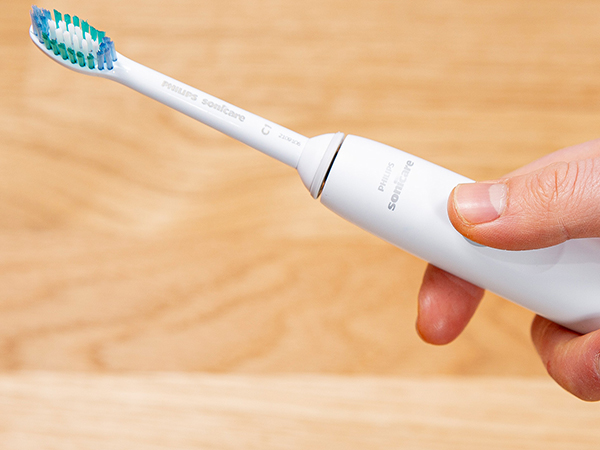
Electric toothbrushes have become a go-to choice for maintaining strong oral hygiene—and for good reason. They’re designed to deliver more consistent, effective cleaning than manual brushes. But like any personal care tool, they don’t last forever. Knowing when to replace your electric toothbrush (and its components) is key to protecting your teeth, gums, and overall health.
In this updated guide, we’ll cover how often to replace your electric toothbrush, the signs to watch for, and simple tips to extend its lifespan.
How Often Should You Replace an Electric Toothbrush?
Most dental professionals recommend replacing your brush head every 3 months, or sooner if the bristles become frayed. This aligns with guidance from organizations like the American Dental Association.
The toothbrush handle (the powered base) typically lasts 3–5 years, depending on quality, usage, and maintenance.
Key Signs It’s Time for a Replacement
Keeping your toothbrush in good condition helps maintain performance and hygiene:
Replacing your electric toothbrush head every three months—and the handle every few years—helps you maintain optimal oral care. By staying consistent with replacements and following simple maintenance habits, you’ll protect your investment and support long-term dental health.
In this updated guide, we’ll cover how often to replace your electric toothbrush, the signs to watch for, and simple tips to extend its lifespan.
How Often Should You Replace an Electric Toothbrush?
Most dental professionals recommend replacing your brush head every 3 months, or sooner if the bristles become frayed. This aligns with guidance from organizations like the American Dental Association.
The toothbrush handle (the powered base) typically lasts 3–5 years, depending on quality, usage, and maintenance.
Key Signs It’s Time for a Replacement
-
Worn or Frayed Bristles
Bristles naturally break down with use. Once they start to splay outward, they lose their ability to clean effectively and can be harsh on gums. -
Faded Indicator Bristles
Many modern brush heads include colored bristles that fade over time. When the color noticeably fades, it’s a clear signal to replace the head. -
Reduced Cleaning Performance
If your toothbrush doesn’t feel as powerful or effective as it once did, it may no longer be cleaning properly, either because the brush head is worn or because it's internally worn. -
Battery No Longer Holds a Charge
If your toothbrush requires frequent charging or dies quickly, the battery may be nearing the end of its lifespan. At that point, replacing the handle is often more practical. -
After Illness
It’s recommended to replace your brush head after recovering from a cold, flu, or infection to avoid reintroducing bacteria. -
Visible Buildup or Odor
If you notice lingering residue, discoloration, or an unpleasant smell—even after cleaning—it’s time for a fresh start with a new brush head.
Keeping your toothbrush in good condition helps maintain performance and hygiene:
- Rinse thoroughly after each use to remove toothpaste and debris
- Air dry upright in a well-ventilated area
- Avoid closed containers while the brush is wet to prevent bacterial growth
- Clean the handle regularly with a damp cloth
- Use gentle pressure—let the brush do the work to prevent unnecessary wear
- Rotate brush heads if multiple users share a base (with separate heads)
- Why Timely Replacement Matters
- Reduce plaque removal effectiveness
- Increase the risk of gum irritation
- Allow bacteria buildup
- Compromise overall oral hygiene
Replacing your electric toothbrush head every three months—and the handle every few years—helps you maintain optimal oral care. By staying consistent with replacements and following simple maintenance habits, you’ll protect your investment and support long-term dental health.