
FEATURE ARTICLE
Retinoids vs. Retinol: What’s the Difference and Which Is Right for Your Skin?
Mar 25, 2026
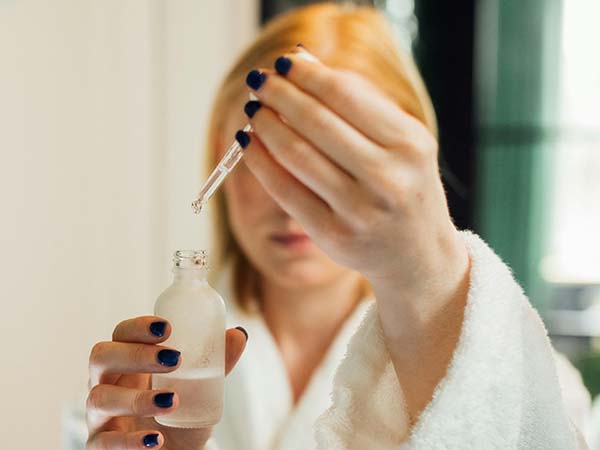
If you’re looking to improve skin texture, reduce fine lines, or manage acne, you’ve likely heard of retinoids and retinol. These vitamin A derivatives are among the most recommended ingredients in modern skincare—but they’re not the same. Understanding their differences can help you choose the right option for your skin type and goals.
In this updated guide, we’ll break down how retinoids and retinol work, their key benefits, and how to use them safely for the best results.
What Are Retinoids and Retinol?
Both retinoids and retinol are derived from vitamin A, a powerful ingredient known for boosting cell turnover and supporting collagen production. These processes help:
What Are Retinoids?
Retinoids are a broad category of vitamin A derivatives that include prescription-strength options like:
What Is Retinol?
Retinol is a milder, over-the-counter version of a retinoid. It must convert into retinoic acid within the skin before becoming active, which makes it:
Key Differences at a Glance
How to Use Retinoids or Retinol Safely
To get the best results while minimizing irritation, follow these updated best practices:
Choose retinol if: You’re new to vitamin A, have sensitive skin, or want gradual improvements Choose retinoids if: You need faster, more dramatic results and can tolerate stronger formulations
If you’re unsure, a dermatologist can recommend the best option based on your skin type and concerns.
Retinoids and retinol remain some of the most effective ingredients in skincare today. Whether you start with a gentle retinol or move to a prescription retinoid, consistency and proper use are key to achieving smoother, clearer, and more youthful-looking skin.
In this updated guide, we’ll break down how retinoids and retinol work, their key benefits, and how to use them safely for the best results.
What Are Retinoids and Retinol?
Both retinoids and retinol are derived from vitamin A, a powerful ingredient known for boosting cell turnover and supporting collagen production. These processes help:
- Smooth fine lines and wrinkles
- Improve skin tone and texture
- Reduce acne and clogged pores
- Fade dark spots and hyperpigmentation
What Are Retinoids?
Retinoids are a broad category of vitamin A derivatives that include prescription-strength options like:
- Tretinoin
- Adapalene
- Tazarotene
- Moderate to severe acne
- Deep wrinkles
- Stubborn discoloration
What Is Retinol?
Retinol is a milder, over-the-counter version of a retinoid. It must convert into retinoic acid within the skin before becoming active, which makes it:
- Less irritating
- Slower to deliver results
- Ideal for beginners or sensitive skin
- Early signs of aging
- Mild acne
- Improving overall skin texture
Key Differences at a Glance
- Potency: Retinoids are stronger; retinol is gentler
- Availability: Retinoids are often prescription-only; retinol is over-the-counter
- Speed of Results: Retinoids work faster; retinol takes more time
- Tolerance: Retinol is better for sensitive or first-time users
How to Use Retinoids or Retinol Safely
To get the best results while minimizing irritation, follow these updated best practices:
-
Start Slow
Use 2–3 times per week, then gradually increase frequency as your skin adjusts. -
Use at Night
Retinoids break down in sunlight and can increase sun sensitivity, so apply them in your evening routine. -
Apply to Dry Skin
Wait a few minutes after washing your face before applying to reduce irritation. -
Moisturize Generously
Pair with a gentle moisturizer to maintain your skin barrier and reduce dryness. -
Always Wear Sunscreen
Daily broad-spectrum SPF 30+ is essential, as vitamin A products increase sun sensitivity. -
Avoid Mixing Certain Actives (at first)
Be cautious when combining with exfoliating acids (AHAs/BHAs) or benzoyl peroxide unless directed by a professional.
Choose retinol if: You’re new to vitamin A, have sensitive skin, or want gradual improvements Choose retinoids if: You need faster, more dramatic results and can tolerate stronger formulations
If you’re unsure, a dermatologist can recommend the best option based on your skin type and concerns.
Retinoids and retinol remain some of the most effective ingredients in skincare today. Whether you start with a gentle retinol or move to a prescription retinoid, consistency and proper use are key to achieving smoother, clearer, and more youthful-looking skin.