
FEATURE ARTICLE
Painting Over Wallpaper: Tips for a Smooth, Professional Finish
Mar 25, 2026
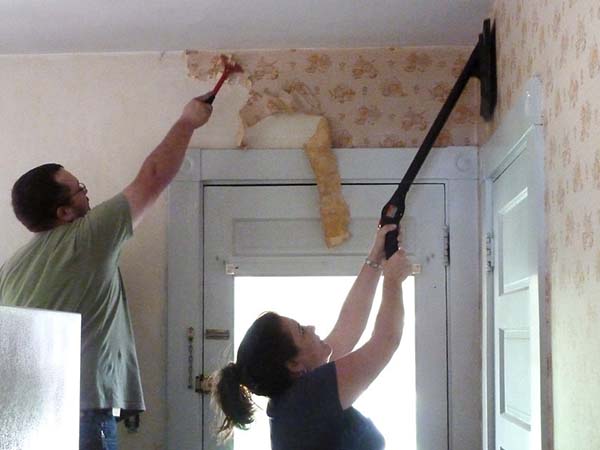
Painting over wallpaper can be a cost-effective and time-saving way to refresh your space without the hassle of removal. Whether you’re updating outdated patterns or simply changing your color scheme, this DIY approach can deliver impressive results—when done correctly.
Proper preparation and the right materials are key to achieving a smooth, long-lasting finish. Below are expert tips and updated best practices to help you paint over wallpaper with confidence.
While painting over wallpaper works in many cases, removal may be better if:
Painting over wallpaper is a practical and budget-friendly way to update your home’s interior. With proper preparation, quality materials, and a careful approach, you can achieve a smooth, modern finish without the mess of removal.
By following these tips, you’ll not only improve the look of your space but also ensure your hard work stands the test of time.
Proper preparation and the right materials are key to achieving a smooth, long-lasting finish. Below are expert tips and updated best practices to help you paint over wallpaper with confidence.
-
Evaluate the Condition of the Wallpaper
Before you begin, carefully inspect the wallpaper:- Ensure it is firmly adhered with no peeling edges
- Look for bubbles, tears, or moisture damage
- Repair loose sections using wallpaper adhesive
-
Clean the Surface Thoroughly
Walls can accumulate dust, grease, and other residues over time, especially in kitchens and high-traffic areas.- Use a mild detergent and warm water
- Wipe down all surfaces and let them fully dry
- Pay extra attention to seams and corners
-
Prime with the Right Product
Priming is one of the most important steps when painting over wallpaper.- Use a high-quality, stain-blocking or oil-based primer
- Prevents wallpaper patterns from bleeding through
- Seals the surface and improves paint adhesion
-
Lightly Sand for Better Adhesion
After priming, lightly sand the surface:- Use fine-grit sandpaper
- Focus on smoothing seams and raised areas
- Avoid over-sanding to prevent damage
-
Test Before You Commit
Before painting the entire wall:- Test your paint on a small, hidden section
- Check for adhesion and coverage
- Ensure the wallpaper texture or pattern won’t show through
-
Choose High-Quality Paint
Not all paints perform equally on wallpapered surfaces.- Opt for premium latex or acrylic paint
- Consider an eggshell or satin finish for durability
- Avoid overly thick or heavy paints that can loosen wallpaper
-
Apply Thin, Even Coats
When it’s time to paint:- Use multiple thin coats instead of one thick layer
- Allow proper drying time between coats
- Maintain consistent strokes for even coverage
-
Use the Right Tools
The right tools make a noticeable difference:- Use a high-quality roller for smooth, even application
- Use angled brushes for edges, corners, and trim
- Consider microfiber rollers for better paint distribution
-
Consider Texture or Accent Finishes
If the wallpaper pattern is difficult to hide:- Use textured paint or decorative techniques
- Create an accent wall for visual interest
- Try subtle finishes that add depth while concealing flaws
-
Take Your Time and Focus on Details
Patience is key to a successful outcome:- Work methodically and don’t rush drying times
- Inspect your work between coats
- Touch up edges and seams carefully
While painting over wallpaper works in many cases, removal may be better if:
- The wallpaper is peeling extensively
- There are multiple layers
- Moisture or mold is present
Painting over wallpaper is a practical and budget-friendly way to update your home’s interior. With proper preparation, quality materials, and a careful approach, you can achieve a smooth, modern finish without the mess of removal.
By following these tips, you’ll not only improve the look of your space but also ensure your hard work stands the test of time.