
FEATURE ARTICLE
How to Train Your Weaker Hand for Better Firearms Skills
Mar 25, 2026
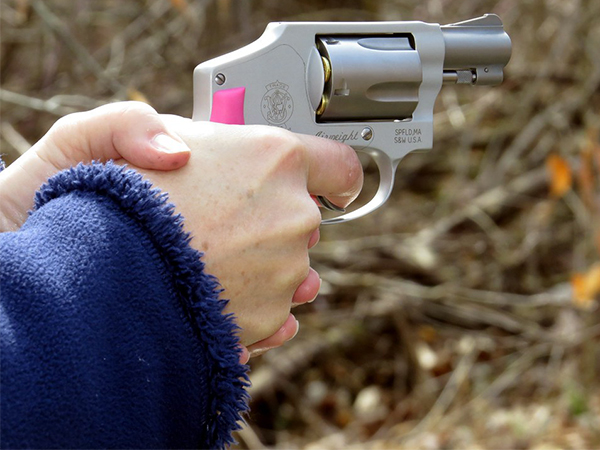
Whether you’re a competitive shooter, hunter, or responsible firearm owner, developing your non-dominant hand is a critical skill. Training your weak hand improves safety, control, and accuracy, allowing you to respond effectively in defensive or tactical situations.
Many shooters focus solely on their dominant hand, but being able to operate a firearm with either hand increases versatility and confidence. This guide explores practical strategies, drills, and tips to safely and effectively strengthen your weak-hand shooting skills.
Many shooters focus solely on their dominant hand, but being able to operate a firearm with either hand increases versatility and confidence. This guide explores practical strategies, drills, and tips to safely and effectively strengthen your weak-hand shooting skills.
-
Understand the Importance
Weak-hand training is essential for:- Versatility: Enables you to shoot accurately if your dominant hand is injured or occupied.
- Safety: Reduces the risk of firearm mishandling under stress.
- Improved overall skill: Enhances grip, trigger control, and coordination.
-
Start with the Basics
Begin training with fundamental techniques:- Grip and stance: Ensure proper support with your weak hand and maintain a stable shooting stance.
- Dry-fire practice: Practice trigger control, sight alignment, and grip mechanics without live ammunition.
- Two-handed drills: Use your weak hand in a supporting role before transitioning to full weak-hand operation.
-
Dry-Fire Repetition
Dry-fire training is a safe and effective method:- Daily practice: Dedicate short sessions to dry-firing with the weak hand.
- Consistency: Repeat movements to build muscle memory.
- Focus on technique: Pay attention to grip, trigger squeeze, and sight alignment.
-
Strength and Dexterity Exercises
Strengthening your weak hand enhances control:- Grip trainers or stress balls: Improve hand and forearm strength for better firearm stability.
- Resistance bands: Build wrist and forearm muscles to reduce recoil impact.
- Finger-and-thumb: Increase dexterity for when manipulating the trigger, slide, or safety.
-
Live-Fire Weak-Hand Drills
When ready, transition to live-fire exercises at a range:- Slow-fire target practice: Start with slow, deliberate shots to focus on accuracy.
- Controlled repetitions: Shoot multiple rounds while maintaining proper grip and stance.
- One-handed draws: Practice drawing and firing safely with your weak hand.
-
Mirror and Video Feedback
Use visual feedback to improve:- Mirrors or recording: Observe weak-hand grip, stance, and trigger technique.
- Identify errors: Correct inconsistencies in hand placement or aim.
- Track improvement: Video progress over weeks to monitor skill growth.
-
Incorporate Tactical Scenarios
Simulate realistic conditions to apply weak-hand skills:- Defensive drills: Practice clearing obstacles or shooting from cover using your weak hand.
- Transition drills: Move from strong to weak hand during a scenario.
- Speed and accuracy balance: Focus on controlled, yet practical, execution under stress.
-
Seek Professional Guidance
Consider instruction from a certified firearms trainer:- Personalized weak-hand drills and progression plans.
- Safety monitoring and feedback to prevent bad habits.
- Tailored strategies for your firearm type and skill level.
-
Patience and Consistency
Weak-hand training requires dedication:- Expect gradual progress—accuracy and speed improve over time.
- Maintain regular practice sessions to build reliability.
- Celebrate small improvements to stay motivated.