
FEATURE ARTICLE
10 Warning Signs of Low Blood Sugar (Hypoglycemia) and What to Do
Mar 25, 2026
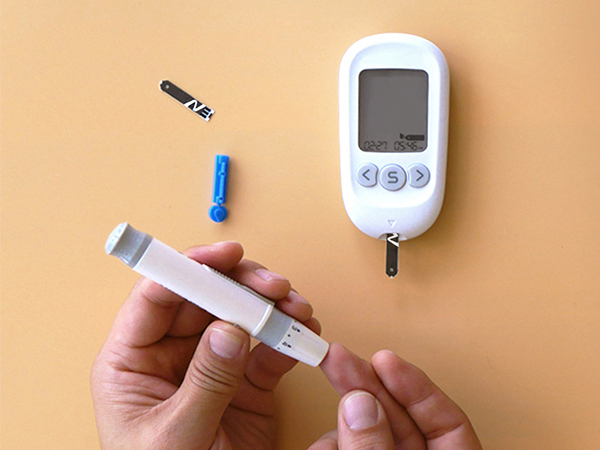
It’s easy to overlook the subtle signals your body sends throughout the day—but your blood sugar levels play a critical role in how you feel and function. Low blood sugar, also known as Hypoglycemia, can affect anyone, though it’s more common in people managing Diabetes or irregular eating patterns.
Recognizing the early warning signs can help you act quickly, avoid complications, and maintain steady energy throughout the day. Here’s what to watch for—and how to respond.
Common Signs Your Blood Sugar Is Too Low
If you notice symptoms, act quickly:
Tips to Prevent Low Blood Sugar
If you experience frequent symptoms or have an underlying condition like diabetes, consult your healthcare provider for a personalized management plan.
Recognizing the early warning signs can help you act quickly, avoid complications, and maintain steady energy throughout the day. Here’s what to watch for—and how to respond.
Common Signs Your Blood Sugar Is Too Low
-
Sudden Hunger or Intense Cravings
A sharp, urgent feeling of hunger—especially soon after eating—can signal a drop in blood sugar. Your body is asking for quick fuel. -
Dizziness or Lightheadedness
Low glucose levels can reduce blood flow and energy to the brain, making you feel faint or unsteady. If this occurs, sit down and eat a small snack. -
Fatigue or Weakness
If you suddenly feel drained or shaky, your body may not have enough glucose to sustain energy. This is especially common after skipping meals or intense activity. -
Sweating and Clamminess
Unexpected sweating—without heat or exertion—can be part of your body’s stress response to low blood sugar. -
Irritability or Mood Changes
Blood sugar swings can impact your mood quickly, leading to irritability, anxiety, or sudden emotional shifts. -
Difficulty Concentrating
Trouble focusing or “brain fog” can occur when your brain isn’t getting enough glucose to function efficiently. -
Tingling or Numbness
You may notice tingling in your lips, fingers, or toes. While often temporary, it’s a sign your body needs attention. -
Rapid Heartbeat
A racing or pounding heart can occur as your body releases adrenaline to compensate for low glucose levels. -
Blurred Vision
Temporary vision changes can happen when blood sugar drops, affecting how your eyes process light and focus. -
Severe Symptoms: Confusion, Seizures, or Loss of Consciousness
In more serious cases, hypoglycemia can lead to confusion, fainting, or seizures. This is a medical emergency and requires immediate attention.
If you notice symptoms, act quickly:
- Consume 15–20 grams of fast-acting carbohydrates (juice, glucose tablets, or regular soda)
- Wait 15 minutes and recheck how you feel
- Follow up with a balanced snack (protein + carbs) to stabilize levels
Tips to Prevent Low Blood Sugar
- Eat regular, balanced meals with protein, fiber, and healthy fats
- Avoid skipping meals, especially if you’re active
- Monitor blood sugar if you’re at risk
- Limit excessive sugar spikes followed by crashes
- Work with a healthcare provider if symptoms are frequent
If you experience frequent symptoms or have an underlying condition like diabetes, consult your healthcare provider for a personalized management plan.