
FEATURE ARTICLE
Chipped or Broken Teeth in Pets: Causes, Treatment, and Prevention
Mar 25, 2026
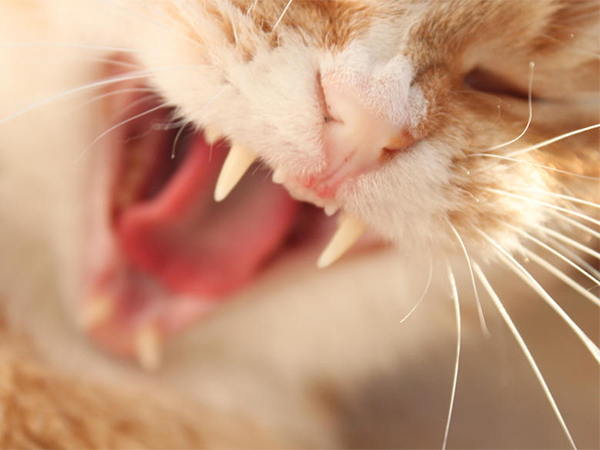
Our pets are cherished members of the family, and their health is a top priority. Like humans, pets can experience dental problems, including chipped or broken teeth. Chewing on hard objects, rough play, or underlying dental disease can lead to tooth damage, causing discomfort and affecting overall health.
This blog will help you recognize signs of dental injuries, understand their causes, and provide strategies for treatment and prevention to keep your pet healthy and pain-free.
Identifying a Chipped or Broken Tooth
Pets are skilled at hiding pain, making it challenging to detect dental issues early. Look for these signs:
Causes of Chipped or Broken Teeth
Understanding potential causes can help prevent dental injuries:
What to Do If Your Pet Has a Chipped or Broken Tooth
If you suspect a dental injury:
Treatment Options
Treatment depends on the severity of the tooth damage:
Preventing Dental Injuries
Prevention is the best approach to maintain your pet’s oral health:
Chipped or broken teeth in pets can cause pain and lead to serious complications if untreated. Prompt veterinary care, proper dental hygiene, safe toys, and vigilant monitoring are essential to protect your pet’s teeth and overall well-being. With the right care, you can help your furry companion maintain a healthy, happy smile for years to come.
This blog will help you recognize signs of dental injuries, understand their causes, and provide strategies for treatment and prevention to keep your pet healthy and pain-free.
Identifying a Chipped or Broken Tooth
Pets are skilled at hiding pain, making it challenging to detect dental issues early. Look for these signs:
- Excessive drooling: More saliva than usual may indicate discomfort.
- Pawing at the mouth: Constantly pawing or rubbing the face is often a sign of pain.
- Reluctance to eat: Difficulty chewing, especially hard foods, can signal a problem.
- Blood or pus: Presence of blood, discharge, or swelling may indicate injury or infection.
- Bad breath: Persistent foul breath can be a warning of dental decay or infection.
Causes of Chipped or Broken Teeth
Understanding potential causes can help prevent dental injuries:
- Chewing on hard objects, such as rocks, bones, or excessively hard toys, can fracture teeth.
- Trauma: Falls, collisions, or vigorous play can result in tooth damage.
- Dental disease: Untreated periodontal disease or cavities weaken teeth, increasing fracture risk.
- Genetics: Some pets naturally have weaker teeth prone to breaking.
What to Do If Your Pet Has a Chipped or Broken Tooth
If you suspect a dental injury:
- Contact your veterinarian: Schedule a prompt examination to assess the injury and plan treatment.
- Avoid handling the tooth: Manipulating it yourself can cause pain or worsen damage.
- Monitor your pet: Observe appetite, behavior, and signs of pain to share with your vet.
Treatment Options
Treatment depends on the severity of the tooth damage:
- Tooth extraction: Necessary for severely damaged teeth that cannot be saved.
- Dental bonding: Minor chips may be repaired to restore tooth function and appearance.
- Root canal therapy: Saves the tooth while removing damaged tissue.
- Medication: Pain relievers or antibiotics may be prescribed to manage discomfort and infection.
Preventing Dental Injuries
Prevention is the best approach to maintain your pet’s oral health:
- Safe toys: Offer soft or flexible chew toys, and avoid hard objects such as bones or rocks.
- Regular dental care: Brush teeth regularly and schedule routine dental check-ups.
- Healthy diet: Provide balanced nutrition and consider dental treats or toys designed to reduce plaque and tartar.
- Supervised play: Watch for behaviors or games that could lead to trauma.
- Early detection: Check your pet’s mouth periodically for cracks, chips, or signs of pain.
Chipped or broken teeth in pets can cause pain and lead to serious complications if untreated. Prompt veterinary care, proper dental hygiene, safe toys, and vigilant monitoring are essential to protect your pet’s teeth and overall well-being. With the right care, you can help your furry companion maintain a healthy, happy smile for years to come.