
FEATURE ARTICLE
How Substratum Soil and Bedrock Affect Your Garden’s Health and Growth
Mar 20, 2026
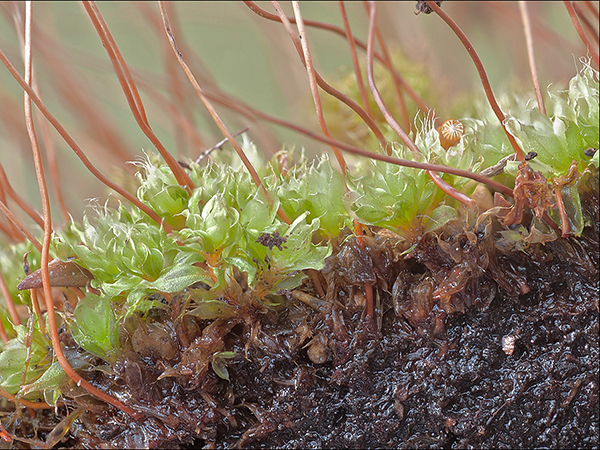
Gardening is both a rewarding hobby and a long-term investment in your outdoor space. Whether you’re growing vegetables, flowers, shrubs, or trees, healthy soil is the foundation of a thriving garden. While many gardeners focus primarily on topsoil, the layers beneath the surface—substratum soil and bedrock—can significantly influence plant health, drainage, and overall garden success.
Understanding how these underground layers affect water movement, nutrient availability, and root development can help you make smarter gardening decisions and create a healthier landscape. In this updated guide, we’ll explore how substratum soil and bedrock impact your garden and share practical ways to work with these natural conditions.
What Is Substratum Soil?
Substratum soil, commonly called subsoil, is the layer located beneath nutrient-rich topsoil. Unlike topsoil, which contains high levels of organic matter and beneficial microorganisms, subsoil is typically denser and made up of clay, sand, silt, or compacted mineral material.
The composition of the subsoil varies depending on:
How Substratum Soil Affects Your Garden
Tips for Gardening in Areas with Bedrock
Choose Plants Wisely
Select plants suited for shallow soils or rocky environments. Native plants are often better adapted to local soil and drainage conditions.
Use Containers or Raised Beds
Raised beds and large containers help provide additional root space where bedrock limits planting depth.
Improve Surface Drainage
Installing mulch, carefully grading the slope, and using organic amendments can help manage water flow more effectively.
Sustainable Gardening Practices (New Insight)
Modern gardening trends increasingly focus on building healthy soil ecosystems naturally rather than relying heavily on synthetic fertilizers.
Sustainable practices include:
Substratum soil and bedrock may be hidden beneath the surface, but they have a major impact on your garden’s success. From drainage and nutrient availability to root growth and plant stability, understanding these underground conditions helps gardeners make smarter planting and soil improvement decisions.
With soil testing, organic amendments, raised beds, and thoughtful plant selection, even challenging soil conditions can support a thriving and beautiful garden.
Gardening is a process of learning and adapting, and understanding what lies beneath your plants is one of the best ways to cultivate long-term success.
Understanding how these underground layers affect water movement, nutrient availability, and root development can help you make smarter gardening decisions and create a healthier landscape. In this updated guide, we’ll explore how substratum soil and bedrock impact your garden and share practical ways to work with these natural conditions.
What Is Substratum Soil?
Substratum soil, commonly called subsoil, is the layer located beneath nutrient-rich topsoil. Unlike topsoil, which contains high levels of organic matter and beneficial microorganisms, subsoil is typically denser and made up of clay, sand, silt, or compacted mineral material.
The composition of the subsoil varies depending on:
- Geographic location
- Climate and rainfall
- Natural erosion patterns
- Previous land use and construction activity
How Substratum Soil Affects Your Garden
-
Drainage and Water Retention
Subsoil directly impacts how water moves through your garden.
For example:- Clay-heavy subsoil may trap water and create soggy conditions
- Sandy subsoil may drain too quickly, causing plants to dry out faster
- Root rot
- Fungal diseases
- Nutrient loss
- Weak root systems
-
Nutrient Availability
Subsoil generally contains fewer nutrients and less organic matter than topsoil. If roots cannot access enough nutrients below the surface, plant growth may become limited over time.
Common signs of nutrient challenges include:- Yellowing leaves
- Slow growth
- Weak flowering or fruit production
-
Root Development and Plant Stability
Compacted or dense subsoil can restrict root growth, making it difficult for plants to establish strong root systems.
Limited root growth may result in:- Reduced drought tolerance
- Poor nutrient absorption
- Increased vulnerability during storms or high winds
How to Improve Challenging Subsoil Conditions
Conduct a Soil Test
A professional soil test provides valuable information about:- Soil pH
- Nutrient levels
- Drainage conditions
- Organic matter content
Add Organic Matter
Incorporating compost, leaf mold, or aged manure into the soil can improve:- Soil structure
- Moisture retention
- Aeration
- Nutrient content
Consider Raised Garden Beds
Raised beds are an excellent solution for gardens with poor subsoil conditions. They allow you to control:- Soil quality
- Drainage
- Nutrient balance
- Root depth
Understanding Bedrock and Its Impact
Bedrock is the solid rock layer beneath the soil and subsoil. In some regions, bedrock lies deep underground, while in others it may sit close to the surface.
Shallow bedrock can create unique gardening challenges, particularly for larger plants and trees.
How Bedrock Affects Plant Growth
Restricted Root Expansion
When roots encounter shallow bedrock, they may struggle to grow deeply enough to support large or mature plants.
This can affect:- Tree stability
- Water access during droughts
- Long-term plant growth
-
Water Drainage and Pooling
Certain types of bedrock prevent water from draining effectively. This may cause:- Standing water
- Oversaturated soil
- Increased risk of root disease
Tips for Gardening in Areas with Bedrock
Choose Plants Wisely
Select plants suited for shallow soils or rocky environments. Native plants are often better adapted to local soil and drainage conditions.
Use Containers or Raised Beds
Raised beds and large containers help provide additional root space where bedrock limits planting depth.
Improve Surface Drainage
Installing mulch, carefully grading the slope, and using organic amendments can help manage water flow more effectively.
Sustainable Gardening Practices (New Insight)
Modern gardening trends increasingly focus on building healthy soil ecosystems naturally rather than relying heavily on synthetic fertilizers.
Sustainable practices include:
- Composting kitchen and yard waste
- Mulching to retain moisture
- Planting cover crops
- Reducing soil compaction by minimizing foot traffic
Substratum soil and bedrock may be hidden beneath the surface, but they have a major impact on your garden’s success. From drainage and nutrient availability to root growth and plant stability, understanding these underground conditions helps gardeners make smarter planting and soil improvement decisions.
With soil testing, organic amendments, raised beds, and thoughtful plant selection, even challenging soil conditions can support a thriving and beautiful garden.
Gardening is a process of learning and adapting, and understanding what lies beneath your plants is one of the best ways to cultivate long-term success.