
FEATURE ARTICLE
How to Successfully Transplant a Mature Tree: Expert Tips for Healthy Growth
Mar 18, 2026
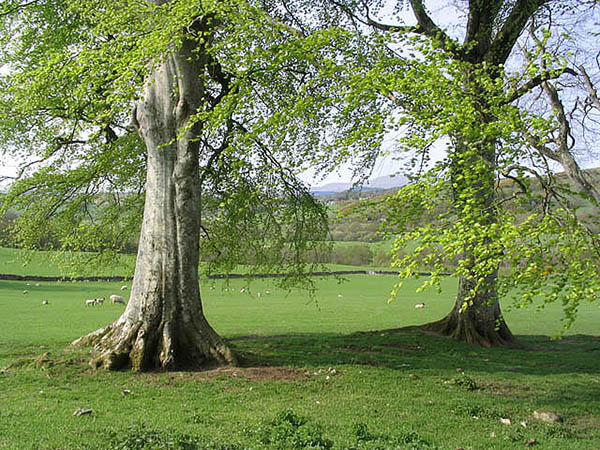
Transplanting a mature tree can be a rewarding way to preserve a beloved part of your landscape or redesign your outdoor space without losing established greenery. However, moving a large tree is not as simple as digging it up and placing it somewhere new. Mature trees have extensive root systems and specific environmental needs, making careful planning essential for success.
With the right preparation, timing, and aftercare, it’s possible to successfully relocate many trees and help them thrive in their new location. In this guide, we’ll cover practical tips and updated best practices for transplanting a mature tree, minimizing stress and promoting healthy growth.
Why Transplant a Mature Tree?
Homeowners and landscapers transplant mature trees for several reasons, including:
Transplanting a mature tree requires patience, planning, and attention to detail, but the rewards can be significant. Successfully relocating a healthy tree allows homeowners and landscapers to preserve valuable greenery while enhancing their outdoor environment.
By choosing the right time, preparing the tree and planting site, protecting the root system, and providing proper aftercare, you greatly increase the chances that your transplanted tree will thrive for many years to come.
With thoughtful care, your relocated tree can continue to provide shade, beauty, and environmental benefits—helping your landscape flourish well into the future.
With the right preparation, timing, and aftercare, it’s possible to successfully relocate many trees and help them thrive in their new location. In this guide, we’ll cover practical tips and updated best practices for transplanting a mature tree, minimizing stress and promoting healthy growth.
Why Transplant a Mature Tree?
Homeowners and landscapers transplant mature trees for several reasons, including:
- Preserving a favorite tree during landscape renovations
- Improving spacing between plants
- Increasing sunlight exposure or improving soil conditions
- Enhancing curb appeal and overall property value
-
Choose the Right Time to Transplant
Timing is one of the most important factors when transplanting a mature tree. Trees handle relocation best when they are not actively growing.
For deciduous trees, the ideal transplant window is during the dormant season, typically late fall after leaves drop or early spring before buds open.
For evergreen trees, early spring or late summer to early fall is often recommended so roots have time to establish before extreme temperatures arrive.
Avoid transplanting during heatwaves, drought conditions, or freezing weather. Extreme temperatures can place additional stress on a tree already coping with transplant shock. -
Prepare the Tree and New Planting Site
Preparation significantly improves the chances of transplant success.
For larger or mature trees, root pruning several months before transplanting is highly recommended. This process encourages the development of new feeder roots closer to the trunk, making it easier for the tree to absorb water and nutrients after relocation.
When choosing a new planting site, consider key environmental factors such as:- Sunlight requirements
- Soil quality and drainage
- Available space for root growth
- Distance from buildings or underground utilities
Proper site preparation ensures the tree can quickly establish roots in its new environment. -
Protect the Root Ball During Removal
The root ball is the most critical part of the tree during transplanting. Damaging it can severely affect the tree’s ability to recover.
When digging up the tree:- Preserve as much of the root ball as possible
- Wrap the root ball in burlap or protective material for transport
- Keep roots moist and shaded to prevent drying out
For very large trees, professional landscapers may use specialized equipment, such as a tree spade, to safely lift and relocate trees with minimal root disturbance. -
Use Proper Planting Techniques
Once the tree arrives at its new location, correct planting technique is essential for long-term health.
Position the tree so the root flare (where the trunk widens at the base) sits slightly above soil level. Planting too deeply canlead toe root rot and otherproblemss.
After placing the tree in the hole:- Backfill with the original soil.
- Gently firm the soil to remove air pockets.
- Water thoroughly to help settle the soil.
-
Water Consistently After Transplanting
Watering is critical during the first year after transplanting.
Newly moved trees need consistent moisture while their roots establish in the surrounding soil. Deep watering encourages roots to expand outward.
A general guideline is to water:- Once or twice weekly during the first growing season, depending on rainfall
- More frequently during hot or dry weather
-
Support and Monitor the Tree
In windy areas or when moving tall trees, staking may help stabilize the tree while roots establish. Stakes should be temporary and typically removed after one growing season to allow the tree to develop natural strength.
Continue monitoring the tree for signs of transplant stress, such as:- Leaf drop or wilting
- Slow growth
- Branch dieback
-
Be Patient During the Establishment Period
Even when transplanted correctly, mature trees require time to adjust. Many arborists recommend allowing one year of recovery for every inch of trunk diameter.
During this time, focus on maintaining proper watering, mulch coverage, and general tree health. Avoid heavy fertilization during the early recovery period, as it may place additional stress on the tree.
Transplanting a mature tree requires patience, planning, and attention to detail, but the rewards can be significant. Successfully relocating a healthy tree allows homeowners and landscapers to preserve valuable greenery while enhancing their outdoor environment.
By choosing the right time, preparing the tree and planting site, protecting the root system, and providing proper aftercare, you greatly increase the chances that your transplanted tree will thrive for many years to come.
With thoughtful care, your relocated tree can continue to provide shade, beauty, and environmental benefits—helping your landscape flourish well into the future.