
FEATURE ARTICLE
What Your Car’s Suspension Noises Might Be Telling You
Mar 18, 2026
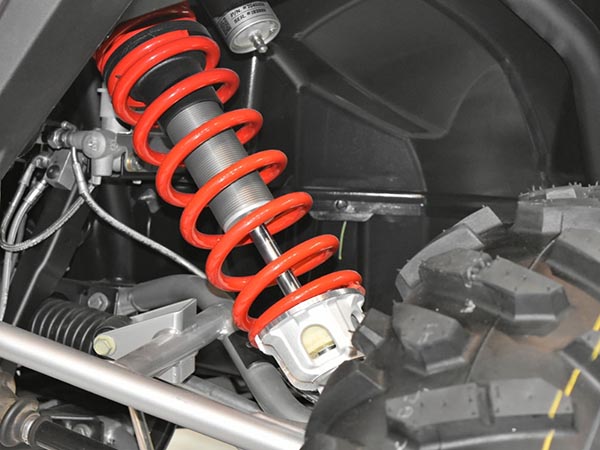
When your vehicle is running properly, the ride should feel smooth and relatively quiet. Aside from the hum of the engine and the sound of the tires on the road, most drivers shouldn’t hear much else. However, if you begin noticing clunks, squeaks, rattles, or grinding sounds while driving, your vehicle’s suspension system could be trying to tell you something.
The suspension system plays a critical role in maintaining stability, comfort, and safe handling. It absorbs bumps, keeps your tires in contact with the road, and supports steering control. Unusual suspension noises are often early warning signs that a component may be worn, loose, or damaged. Understanding these sounds can help you address small issues before they become costly repairs.
Below are some of the most common suspension noises and what they may indicate.
Listening to your vehicle and addressing issues promptly can help preserve suspension performance, extend your car's life, and keep your driving experience smooth and safe. When in doubt, consulting a qualified automotive technician is always the best way to diagnose and resolve suspension concerns.
The suspension system plays a critical role in maintaining stability, comfort, and safe handling. It absorbs bumps, keeps your tires in contact with the road, and supports steering control. Unusual suspension noises are often early warning signs that a component may be worn, loose, or damaged. Understanding these sounds can help you address small issues before they become costly repairs.
Below are some of the most common suspension noises and what they may indicate.
-
Clunking or Knocking Sounds
A noticeable clunking or knocking noise—especially when driving over bumps, potholes, or uneven pavement—is one of the most common suspension complaints.
This sound often indicates that a suspension component has become worn or loose. Potential causes may include:- Worn ball joints
- Damaged control arms
- Loose or worn sway bar links
- Worn suspension bushings
-
Squeaking or Creaking
High-pitched squeaking or creaking noises when turning the steering wheel or going over bumps may indicate worn suspension components.
Common culprits include:- Suspension bushings
- Control arm mounts
- Ball joint boots
- Dry suspension joints
-
Rattling or Banging
If you hear rattling or banging noises while driving on rough roads, your vehicle may have loose or worn suspension components.
Frequently related causes include:- Worn or failing shock absorbers
- Damaged struts
- Loose suspension hardware
- Worn sway bar components
-
Grinding or Metal-on-Metal Sounds
Grinding or metal-on-metal noises should never be ignored. These sounds may indicate serious mechanical wear that requires immediate attention.
Possible causes include:- Worn brake pads or rotors
- Failing wheel bearings
- Damaged suspension components
- Loose or broken hardware
-
Whirring or Whining While Turning
Although not always strictly part of the suspension system, a whining or whirring noise while turning the steering wheel may signal a power steering problem.
This sound can occur when:- Power steering fluid is low
- The power steering pump is failing
- There is air in the steering system
- A steering component is wearing out
-
Why Early Diagnosis Matters
Ignoring suspension noises can lead to more than just an uncomfortable ride. Worn suspension parts can affect tire wear, braking performance, and vehicle stability. Over time, minor issues can strain other components, leading to more expensive repairs.
Regular vehicle maintenance and inspections can help identify problems early. If you notice unusual sounds, vibrations, or changes in handling, scheduling a professional inspection can help ensure your vehicle remains safe and reliable.
Listening to your vehicle and addressing issues promptly can help preserve suspension performance, extend your car's life, and keep your driving experience smooth and safe. When in doubt, consulting a qualified automotive technician is always the best way to diagnose and resolve suspension concerns.