
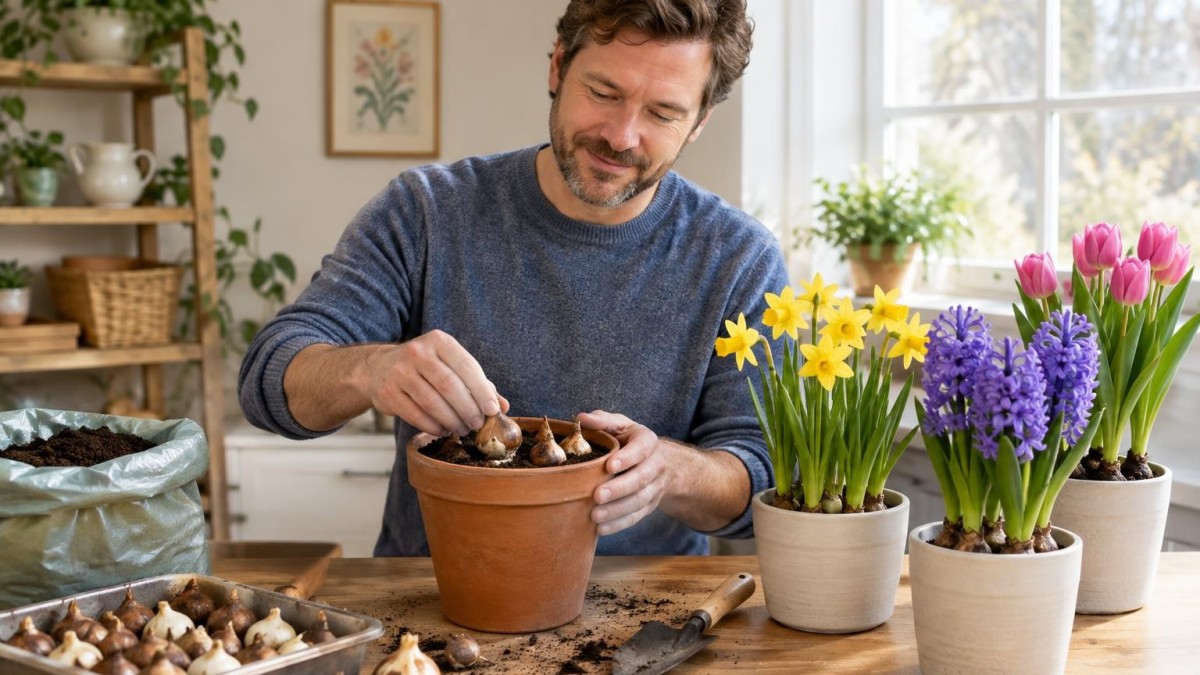
Bring Early Spring Blooms into Your Home
When winter’s chill keeps outdoor gardens quiet, you don’t have to wait for warmer days to enjoy vibrant flowers. Forcing flower bulbs indoors lets you coax bulbs to bloom weeks earlier than usual, filling your home with color and fragrance during the cold months.
Understanding Forcing: Creating Spring Conditions Indoors
Forcing bulbs means mimicking the natural cold period they require before flowering. Many spring bulbs need weeks of chilling to develop roots and prepare to bloom. By simulating these conditions inside, you can encourage bulbs to grow and flower ahead of the outdoor season.
Common bulbs for indoor forcing include tulips, daffodils (especially paperwhites), hyacinths, crocuses, muscari (grape hyacinths), and amaryllis. Choose firm, healthy bulbs without soft spots, and consider purchasing pre-chilled bulbs to simplify the process.
Chilling Bulbs: Simulating Winter
Most bulbs need 10 to 16 weeks of cold temperatures, ideally between 35°F and 48°F (1.5°C to 9°C), to trigger flowering. You can chill bulbs in a refrigerator, cool basement, or unheated garage. If using a fridge, keep bulbs away from fresh fruit to avoid exposure to damaging ethylene gas.
Planting and Growing Your Bulbs Indoors
After chilling, plant bulbs in containers with drainage holes, using well-draining potting mix. Position bulbs close together with pointed ends up, typically planting them twice as deep as their height. Water thoroughly to settle the soil.
Keep bulbs in a cool spot (50–60°F or 10–15.5°C) during early growth to prevent leggy stems. Once shoots appear, move the pots to bright, indirect light—such as near a sunny window—gradually increasing exposure. Water regularly to keep soil moist but not soggy, and consider light feedings of a balanced liquid fertilizer every few weeks if you plan to save the bulbs for future use.
Enjoying and Caring for Your Indoor Blooms
Flowers usually appear two to four weeks after shoots emerge. To extend bloom life, keep plants away from heat sources, provide consistent indirect light, and rotate pots occasionally for even growth.
After blooming, remove spent flowers to redirect energy to the bulbs. Continue watering while leaves stay green to help bulbs store energy. When foliage yellows and dies back naturally, you can reduce watering. Some bulbs, like daffodils and crocuses, can be planted outdoors afterward and may return each year, though bulbs like tulips often bloom best just once.
Forcing flower bulbs is a fun and rewarding way to bring a splash of springtime indoors well before the outdoor gardening season. With simple care and the right bulbs, you can brighten your space with early blooms and delightful scents during winter’s dreariness.
Newsletter Station provides professionally written, ready-to-send newsletters customized for your market and brand.
EXPLORE NEWSLETTER OPTIONS