
FEATURE ARTICLE
Preventing Mold and Mildew in Your Home: Practical Tips for a Healthier Living Space
Mar 18, 2026
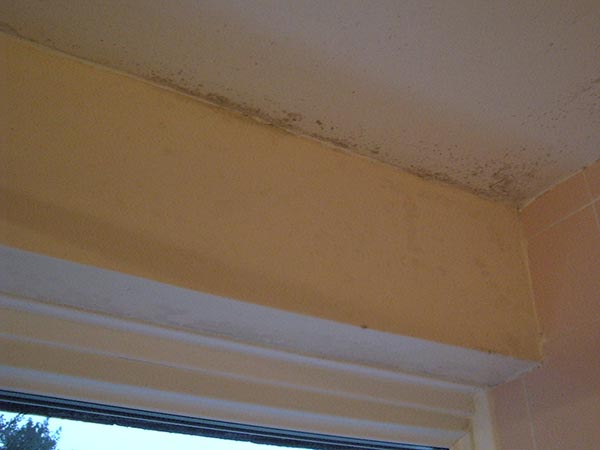
Mold and mildew are more than just unpleasant household nuisances. These fungi can damage building materials, cause musty odors, and contribute to health concerns such as allergies and respiratory irritation. Because mold thrives in damp, humid environments, homes with excess moisture are particularly vulnerable.
The good news is that mold growth is often preventable with regular maintenance and a few smart habits. By controlling moisture and addressing potential problem areas early, homeowners can significantly reduce the chances of mold and mildew spreading.
Below are practical, updated tips to help keep your home clean, healthy, and mold-free.
Preventing mold and mildew requires a combination of awareness, routine maintenance, and moisture control. By managing humidity, quickly fixing leaks, improving ventilation, and keeping surfaces dry, you can significantly reduce the risk of mold growth in your home.
With a proactive approach, you’ll not only protect your home’s structure but also create a cleaner, healthier environment for everyone who lives there.
The good news is that mold growth is often preventable with regular maintenance and a few smart habits. By controlling moisture and addressing potential problem areas early, homeowners can significantly reduce the chances of mold and mildew spreading.
Below are practical, updated tips to help keep your home clean, healthy, and mold-free.
-
Control Indoor Humidity
Moisture is the primary factor that allows mold to grow. Keeping indoor humidity at appropriate levels is one of the most effective ways to prevent mold and mildew.
Experts generally recommend maintaining indoor humidity between 30% and 50%. You can monitor humidity levels using an inexpensive digital hygrometer.
To reduce excess moisture:- Use dehumidifiers in damp areas such as basements and laundry rooms
- Run air conditioning during humid months
- Avoid overwatering indoor plants
- Fix sources of standing water quickly
-
Improve Ventilation Throughout the Home
Good airflow helps remove moisture before it can accumulate on surfaces.
Make sure bathrooms and kitchens have properly functioning exhaust fans that vent outside, not into attics or crawl spaces. Running fans during and after showers or cooking can significantly reduce humidity levels.
Other helpful ventilation strategies include:- Opening windows when the weather allows
- Using ceiling fans to improve air circulation
- Ensuring clothes dryers vent outside the home
-
Repair Leaks as Soon as They Appear
Even small leaks can create the damp conditions that mold needs to thrive. Water from plumbing, roofs, appliances, or windows can quickly seep into walls, flooring, and insulation if left unaddressed.
Regularly inspect your home for signs of water damage, such as:- Water stains on ceilings or walls
- Warped flooring
- Musty odors
- Dripping pipes or fixtures
-
Use Mold-Resistant Building Materials
If you're renovating or building, consider using mold-resistant materials designed to reduce fungal growth. These products can be especially helpful in areas prone to moisture.
Examples include:- Mold-resistant drywall
- Moisture-resistant paint
- Waterproof flooring products
- Mold-inhibiting insulation
-
Keep Moisture-Prone Surfaces Clean and Dry
Regular cleaning is another important defense against mold. Mold spores can settle on damp surfaces and begin growing within 24 to 48 hours if conditions allow.
Focus on areas that frequently collect moisture, including:- Bathroom tiles and shower walls
- Kitchen sinks and countertops
- Window sills
- Basement walls or floors
-
Care for Indoor Plants Properly
Indoor plants add beauty and improve air quality, but they can also contribute to excess moisture if not maintained properly.
Avoid overwatering plants and ensure containers have proper drainage. Standing water in plant trays can encourage mold growth.
It’s also helpful to occasionally inspect plant soil and leaves for signs of mildew or mold so issues can be addressed early. -
Maintain Your HVAC System and Air Ducts
Your heating and cooling system plays an important role in controlling humidity and air circulation throughout your home.
Dust and debris can accumulate in ductwork, creating conditions where mold spores may spread through the air. Regular HVAC maintenance helps keep the system operating efficiently and improves indoor air quality.
Consider scheduling professional duct inspections or cleanings if you notice musty odors or excessive dust buildup. -
Use Mold-Preventive Cleaning Solutions
Many modern cleaning products include ingredients designed to inhibit mold growth. These solutions can be useful in bathrooms, kitchens, basements, and other high-moisture areas.
Common options include mold-prevention sprays or antimicrobial cleaners. Using these products periodically can help protect surfaces where mold is more likely to develop. -
Maintain Proper Outdoor Drainage
Water management outside your home plays a big role in preventing indoor moisture problems.
Make sure:- Gutters and downspouts are clear of debris
- Downspouts direct water away from the foundation
- Soil around the home slopes away from the structure
-
Watch for Condensation
Condensation on windows, pipes, or walls is often a sign of high humidity. If left unchecked, condensation can create the damp surfaces that mold requires.
To reduce condensation:- Insulate cold water pipes
- Improve airflow in humid rooms
- Use moisture-absorbing products where needed
Preventing mold and mildew requires a combination of awareness, routine maintenance, and moisture control. By managing humidity, quickly fixing leaks, improving ventilation, and keeping surfaces dry, you can significantly reduce the risk of mold growth in your home.
With a proactive approach, you’ll not only protect your home’s structure but also create a cleaner, healthier environment for everyone who lives there.